Carmen
1984
No user ratings available yet
Representation score: 5.5 out of 10
Representation Score
Fair
2005
Not RatedDirector
Brian Large
Runtime
132 minutes
Average Rating
No ratings yetNew Showbiz Analysis
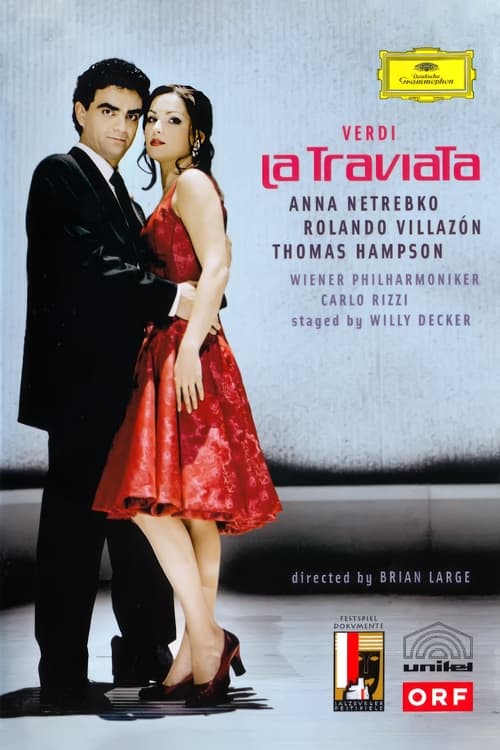
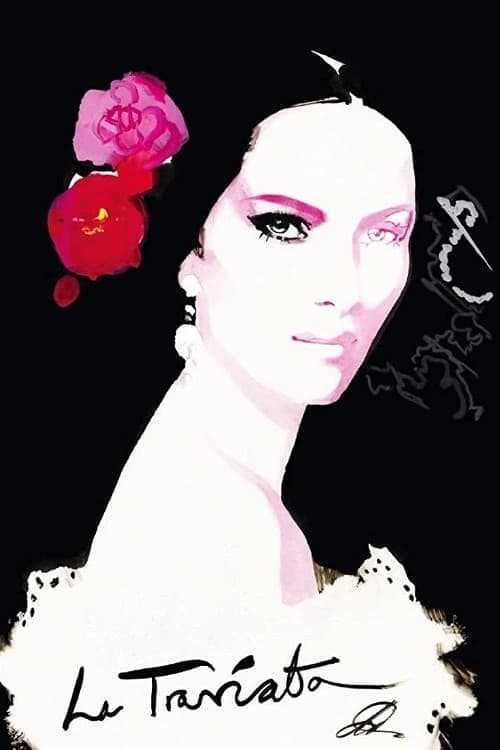
This production of La traviata is a traditionalist dramatic work centered on individual tragic arcs within a historical European framework. It excels in providing character depth for its female lead, allowing her to navigate complex social pressures with intellect and resilience. However, the work lacks intentional diversity. The casting and setting remain strictly Eurocentric, and the narrative does not seek to challenge systemic structures through diverse representation or non-cisgender identities. While the portrayal of illness is central to the tragedy, it functions more as a romanticized plot device than a nuanced exploration of disability.
Category Breakdown
The story follows a heterosexual relationship between Violetta and Alfredo. It lacks explicit LGBTQ+ identities or narratives that question the assumption that everyone is straight or cisgender.
Violetta is a central figure who plays a significant role in driving the story, navigating the tension between personal autonomy and rigid social hierarchies. The film offers a nuanced portrayal of her emotional resilience.
The cast and setting reflect a homogeneous European social structure. The production adheres to the historical period's constraints without utilizing diverse casting to disrupt the Eurocentric setting.
The narrative critiques the hypocrisy of the social elite in Western bourgeois morality. However, it remains deeply embedded in Western classical traditions and tragic romanticism.
The protagonist's struggle with consumption serves as a central plot driver. The depiction leans toward a romanticized aesthetic of illness rather than a contemporary study of lived disability.
Present on Screen
Limited or Absent
Official Synopsis
Violetta, a courtesan much wooed by Parisian society, organizes a grand party that is attended, amongst others, by the young Alfredo Germont. He confesses his feelings to Violetta, who is already suffering from consumption. She vacillates between genuine affection and a realistic assessment of her situation as a "fallen woman", which precludes any lasting relationship with a man. The Willy Decker production of La Traviata, recorded live at the Salzburger Festspiele in August, 2005. Anna Netrebko stars as Violetta Valéry, with Rolando Villazón as Alfredo Germont and Thomas Hampson as Giorgio Germont. Carlo Rizzi conducts the Wiener Philharmoniker.
1984
1952
1955
1972
2007
2024
2017
1994
No reviews yet. Be the first to share your thoughts on this movie!
Use the rating form above to leave a star rating and optional review.