
The Music Lovers
1971
No user ratings available yet
Representation score: 7.0 out of 10
Representation Score
Limited
1980
Director
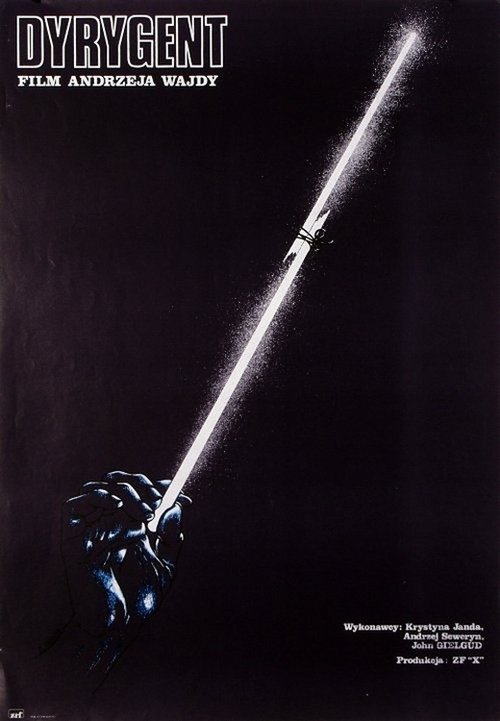
Andrzej Wajda
Runtime
101 minutes
Average Rating
No ratings yetNew Showbiz Analysis
The film is a sophisticated psychological drama that emphasizes the struggle of individuals against a monolithic, state-controlled system. It serves more as a political and institutional critique than a study of demographic diversity. While the narrative lacks representation of diverse identities such as race, gender identity, or disability, it offers a nuanced exploration of how totalitarian structures suppress individual talent. The tension between personal truth and bureaucratic oppression provides a unique form of progressive storytelling.
Category Breakdown
The film does not include any LGBTQ+ characters or narratives. The central storyline revolves around a traditional romantic and family relationship involving the conductor, the violinist, and her mother.
The story centers on a male-dominated professional environment. While the female violinist is a key emotional figure, her role is often defined through her relationships with the men.
Set in 1950s Poland, the film reflects the homogeneous demographics of that time. The cast and setting align with the historical context of the Polish People's Republic.
Wajda effectively critiques institutional power. The narrative highlights the clash between artistic integrity and a state-imposed cultural apparatus influenced by bureaucracy.
There are no prominent depictions of physical or neurodivergent disabilities used as central plot devices or defining character traits.
Present on Screen
Limited or Absent
Official Synopsis
A violinist in a provincial Polish orchestra, whose husband is the director of the ensemble, on a visit to the US ties up with the world- renowned symphony conductor. As it turns out he was once in love with violinist's mother. The conductor, a slightly unstable hypochondriac, returns to Poland to lead the provincial orchestra. He also tries to revive old love affair using the violinist as a surrogate of her mother. Her husband is resentful of the conductor for both personal and professional reasons.
1971
1979
1974
1992
1985
1998

1950
2000
No reviews yet. Be the first to share your thoughts on this movie!
Use the rating form above to leave a star rating and optional review.