
The Life of the Dead
1991
No user ratings available yet
Diversity score: 5.8 out of 10
1975
12Director
Pierre Drouot, Paul Collet
Runtime
107 minutes
Average Rating
No ratings yetSynopsis
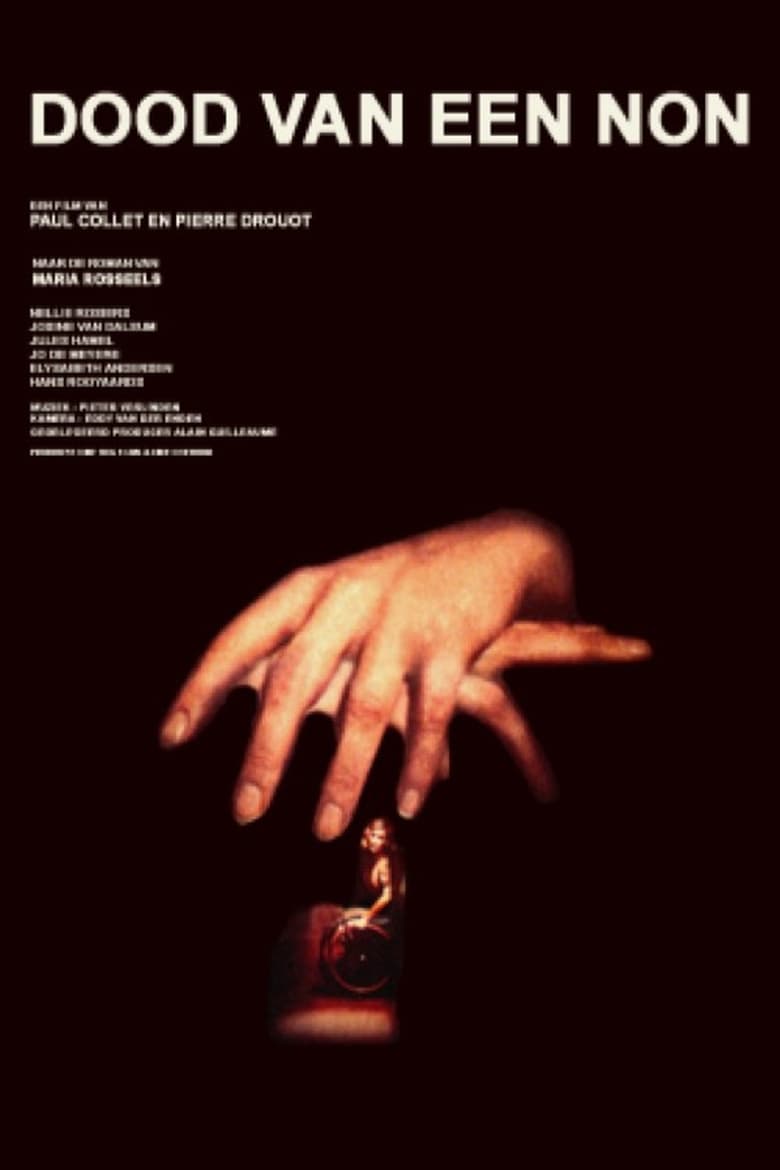
Crippled as a young girl, Sabine vows to become a nun if cured. But when it turns out the original diagnosis was faulty and she regains the use of her legs, she decides to marry instead. Wreaked with guild when her first child is stillborn, Sabine enters a monastery where her sister Gertrude also resides. But after her sister dies of an illness, Sabine leaves the nuns behind and travels to India seeking peace.
Overall Score
Fair
Category Breakdown
LGBTQ+ Representation
The narrative follows traditional structures centered on marriage and religious devotion. There is no evidence of LGBTQ+ characters or narratives that critique heteronormativity.
Gender Representation
Sabine demonstrates significant agency by rejecting religious life for personal autonomy. Her journey from physical dependency to a solo pilgrimage challenges the trope of the passive female sufferer.
Racial & Ethnic Diversity
The story shifts from a Western European setting to India. This movement suggests a departure from Eurocentric isolation, though the depth of Indian character agency is unconfirmed.
Religious & Cultural Diversity
The film deconstructs traditional Western institutions by prioritizing individual spiritual seeking over dogma. Sabine’s journey frames established religious structures as potentially insufficient for personal resolution.
Disability Representation
The protagonist's experience with physical disability serves as a central catalyst. The film avoids simple miracle tropes, focusing instead on the psychological fallout of her recovery.
Strengths
Areas for Improvement
AI Analysis
Death of a Nun offers a nuanced look at female agency and the deconstruction of religious institutions. By centering on Sabine's transition from a vow of religious life to a secular spiritual search, the film moves beyond traditional domesticity. The narrative's strength lies in its refusal to treat disability as a mere plot device for pity, instead exploring the existential impact of a faulty diagnosis. However, the film remains limited by a lack of explicit LGBTQ+ representation and unconfirmed depth regarding its non-Western characters. Ultimately, the film provides a progressive movement through its questioning of established authority and its focus on individual autonomy over institutional dogma.
1991
2002
1994
2014
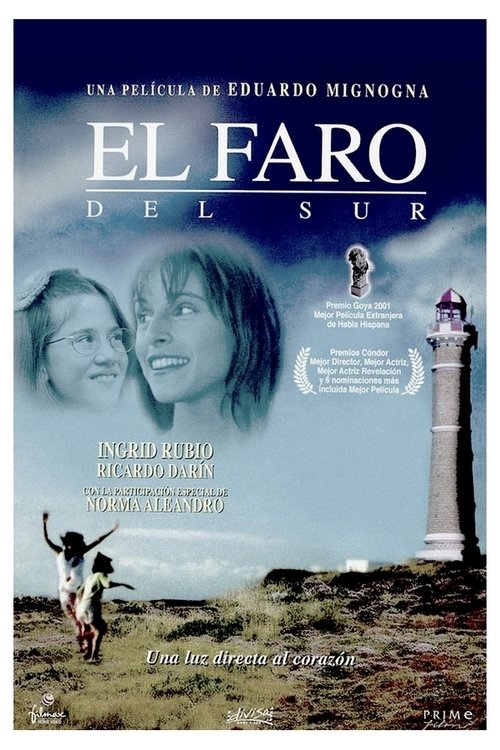
1998
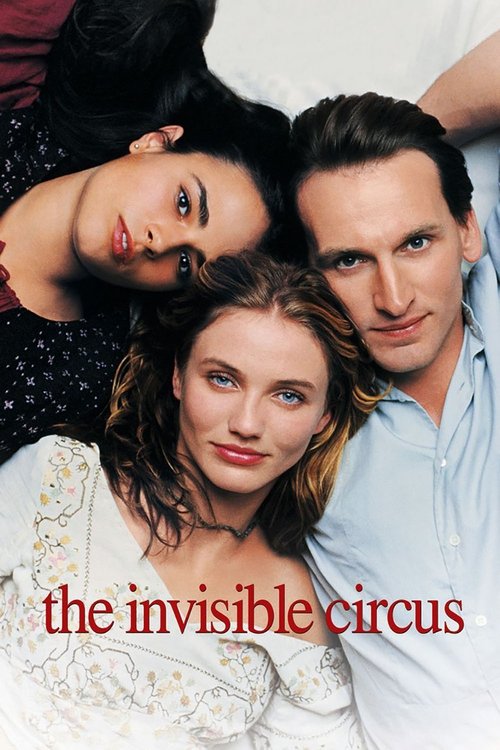
2001
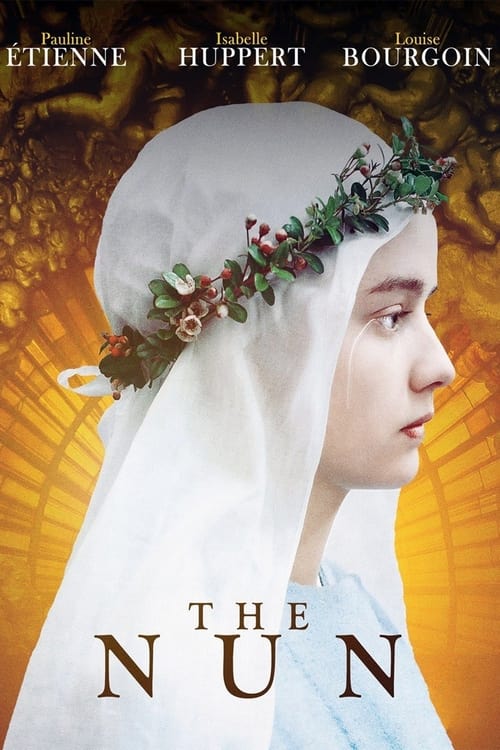
2013

2016

1993

2012
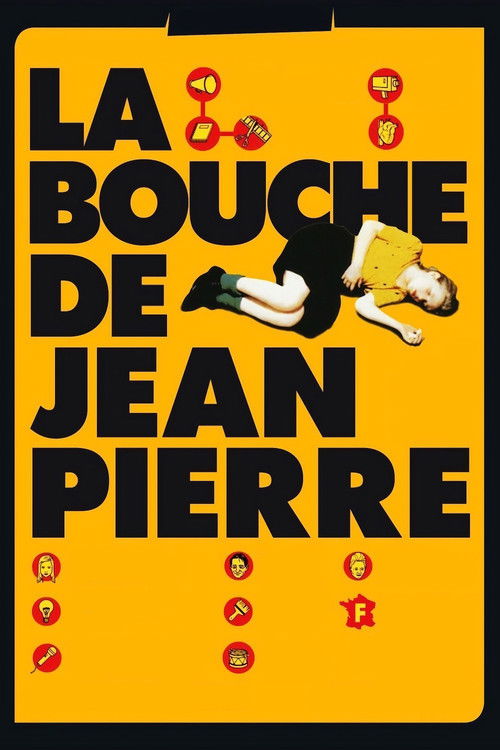
1997
2004
No reviews yet. Be the first to share your thoughts on this movie!
Use the rating form above to leave a star rating and optional review.