
Bumblefuck, USA
2011
No user ratings available yet
Representation score: 6.0 out of 10
Representation Score
Good
2001
RDirector
Adam Brooks
Runtime
93 minutes
Average Rating
No ratings yetNew Showbiz Analysis
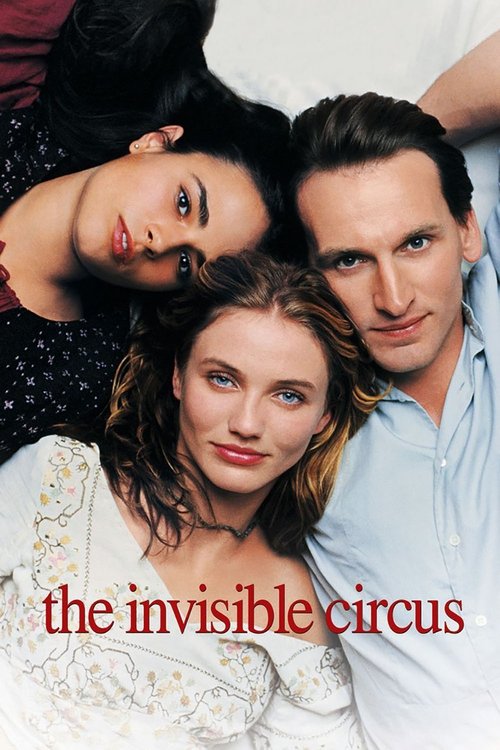
The Invisible Circus is a character-driven psychological drama centered on grief and counter-cultural exploration. It challenges traditional social stability by embracing a nomadic, hippie lifestyle that rejects conventional Western institutions. However, the film lacks deep representation of multiple identities or systemic social subversion. The narrative focus remains largely on individualistic rebellion rather than structured inclusion of underrepresented groups. While the protagonist's journey is driven by a woman, the story's reliance on male figures and the absence of explicit racial or LGBTQ+ diversity limit its progressive impact.
Category Breakdown
The story centers on the heterosexual relationship between Faith and Wolf. It explores hippie subcultures but does not include any queer romantic relationships or non-traditional gender identities.
Phoebe drives the plot through her personal journey, but her path is heavily influenced by male figures and her sister's death. The film avoids traditional gender roles but does not challenge the dominance of masculinity.
The European setting suggests a multicultural environment, but the story focuses on the psychological journey of a traveler. There is no confirmation of a diverse cast or representation of multiple racial backgrounds.
The film critiques conventional Western values by focusing on a nomadic, counter-cultural lifestyle. It emphasizes individual spiritual searching and subjective morality over traditional religious or national frameworks.
Mental health is a key theme as Phoebe experiences visions that push her towards a psychological crisis. It is unclear whether this highlights nuanced mental health issues or simply serves as a plot device.
Present on Screen
Limited or Absent
Official Synopsis
After learning that her sister, Faith, has committed suicide in Portugal, Phoebe, an 18-year-old hippie, decides to uproot from her San Francisco home to travel to Europe. Phoebe hopes to discover and experience the life that led to her sister's death by retracing her footsteps, which eventually leads to Wolf -- Faith's boyfriend. However, as Phoebe's journey continues, a series of visions of Faith pushes her mind to the brink.
2011
1985
1996

1995
2015
1999
2000
2010
No reviews yet. Be the first to share your thoughts on this movie!
Use the rating form above to leave a star rating and optional review.