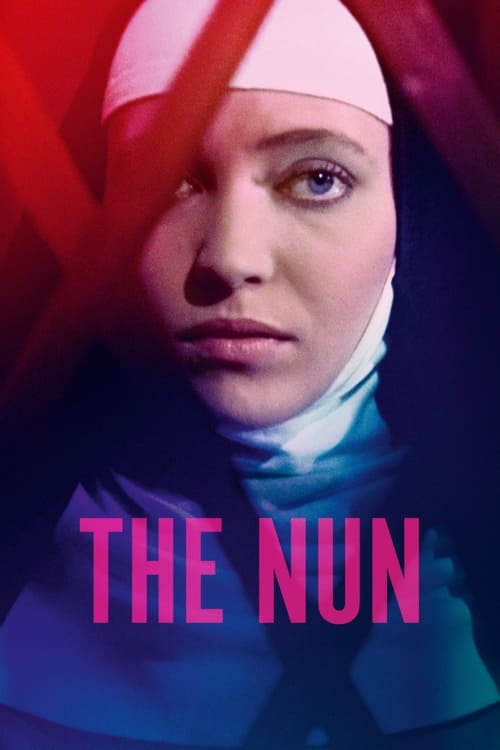
The Nun
1967
No user ratings available yet
Representation score: 7.5 out of 10
Representation Score
Good
2013
PG-13Director
Guillaume Nicloux
Runtime
106 minutes
Average Rating
No ratings yetNew Showbiz Analysis
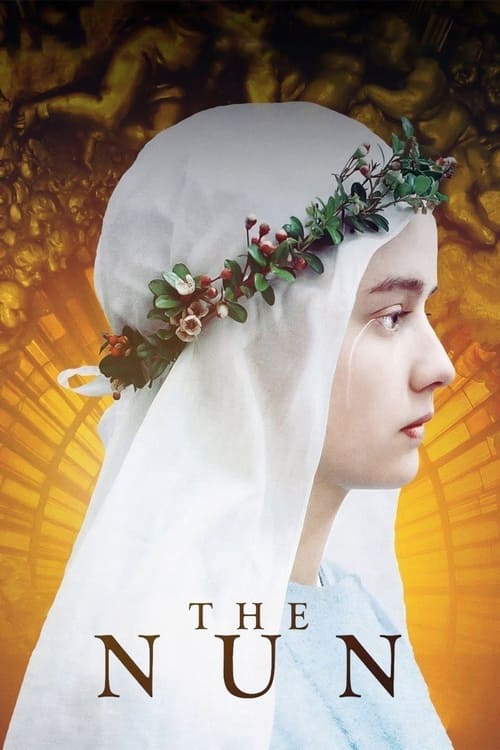
The film excels in its critique of institutional power and gendered oppression. By focusing on Suzanne's struggle against religious fanaticism, it challenges traditional hierarchies and female submissiveness. However, the film is limited by its historical homogeneity. The lack of racial and LGBTQ+ representation narrows its demographic scope, focusing strictly on a European, assuming gender matches what was assigned at birth period setting. Ultimately, the work prioritizes thematic depth over demographic breadth, using psychological distress and institutional corruption to drive its narrative subversion.
Category Breakdown
The film does not include explicit LGBTQ+ characters or same-sex romantic relationships. Instead, it focuses on the tension between sanctity and carnal desires.
Suzanne resists a system designed to take away her autonomy, demonstrating her strong role in driving the story. The film highlights the systemic harassment women face, critiquing gender hierarchies.
The cast is mainly white and European, reflecting the historical setting. It does not feature diverse ethnic groups or actors from different backgrounds.
The film deconstructs religious authority, showing it as a tool for oppression. It emphasizes secular autonomy over institutional dogma and fanaticism.
The story explores psychological instability and mental health struggles. These elements often serve as plot drivers toward madness rather than depicting lived experiences.
Present on Screen
Limited or Absent
Official Synopsis
Suzanne Simonin describes her life of suffering in letters. As a young woman she is sent to a convent against her will. Since her parents cannot afford the dowry required for a marriage befitting her rank they decide she must instead become a nun. Although a kind and understanding Mother Superior helps her to learn the convent’s daily routine, Suzanne’s desire for freedom remains unabated. When the Mother Superior dies, Suzanne finds herself faced with reprisals, humiliation and harassment at the hands of the new Abbess and the other Sisters. For many years, Suzanne is subjected to bigotry and religious fanaticism. (Berlinale.de)
1967
2014

1978

1943

1973

2017
2019
1959
No reviews yet. Be the first to share your thoughts on this movie!
Use the rating form above to leave a star rating and optional review.