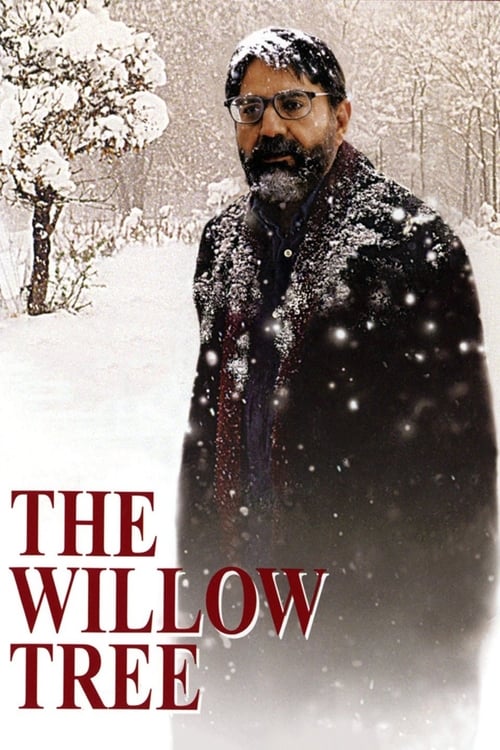
The Willow Tree
2005
No user ratings available yet
Representation score: 6.2 out of 10
Representation Score
Excellent
2016
UnratedDirector
Héctor Babenco
Runtime
109 minutes
Average Rating
No ratings yetNew Showbiz Analysis
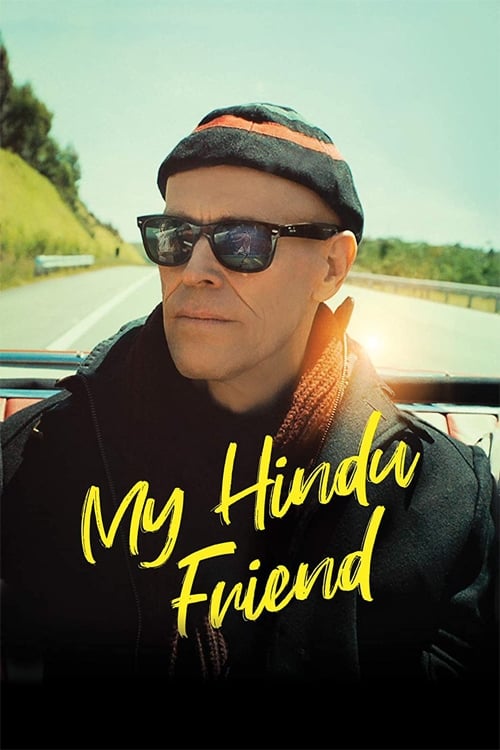
My Hindu Friend is a contemplative drama that finds its strength in cross-cultural engagement. By making a Hindu boy a central catalyst for the protagonist's internal change, the film moves beyond a purely Western-centric perspective. However, the film remains somewhat limited by its focus on a male-driven narrative. Female characters appear primarily to facilitate the protagonist's evolution, and the lack of LGBTQ+ representation keeps the diversity score from rising higher. Ultimately, the film succeeds in using illness and spiritual connection to challenge conventional social and domestic structures, offering a nuanced look at mortality and identity.
Category Breakdown
The story focuses on heterosexual relationships, particularly Diego's marriage and his later relationship with a woman. There are no visible non-cisgender identities in the narrative.
The film centers on a male protagonist's journey. Women appear as catalysts for his emotional growth, but their roles seem largely tied to his personal development.
The narrative breaks Anglo-centric social circles by focusing on a friendship between a Western man and a Hindu boy. This integration of a distinct cultural background drives the main themes.
The film explores religious pluralism through a spiritual connection with a Hindu character. It emphasizes philosophical inquiry over traditional Western or Christian moral frameworks and institutional stability.
The protagonist's struggle with a terminal illness provides a lens for exploring chronic conditions. The medical condition grants the character philosophical ability to act rather than just serving as a tragedy.
Present on Screen
Limited or Absent
Official Synopsis
Diego is a film director who, when he is told that he has a malignant disease which could be fatal, marries his girlfriend of many years, says goodbye to his friends and begins a routine of long days of treatment in hospital. While learning to live with the pain and also conversing with death, he meets a Hindu boy who is a fellow patient and who becomes his friend. But one day the boy disappears. Diego is discharged, but his life has changed forever. His marriage fails and, living alone, he begins to wonder whether he may in fact be dying and no one has told him. He tries to find out what happened to his Hindu friend, and eventually meets another woman.
2005

2017
2010

2005
2011
2001
2018

2020
No reviews yet. Be the first to share your thoughts on this movie!
Use the rating form above to leave a star rating and optional review.