The Torrent
2012
No user ratings available yet
Diversity score: 6.1 out of 10
2002
Director
Gérald Hustache-Mathieu
Runtime
48 minutes
Average Rating
No ratings yetSynopsis
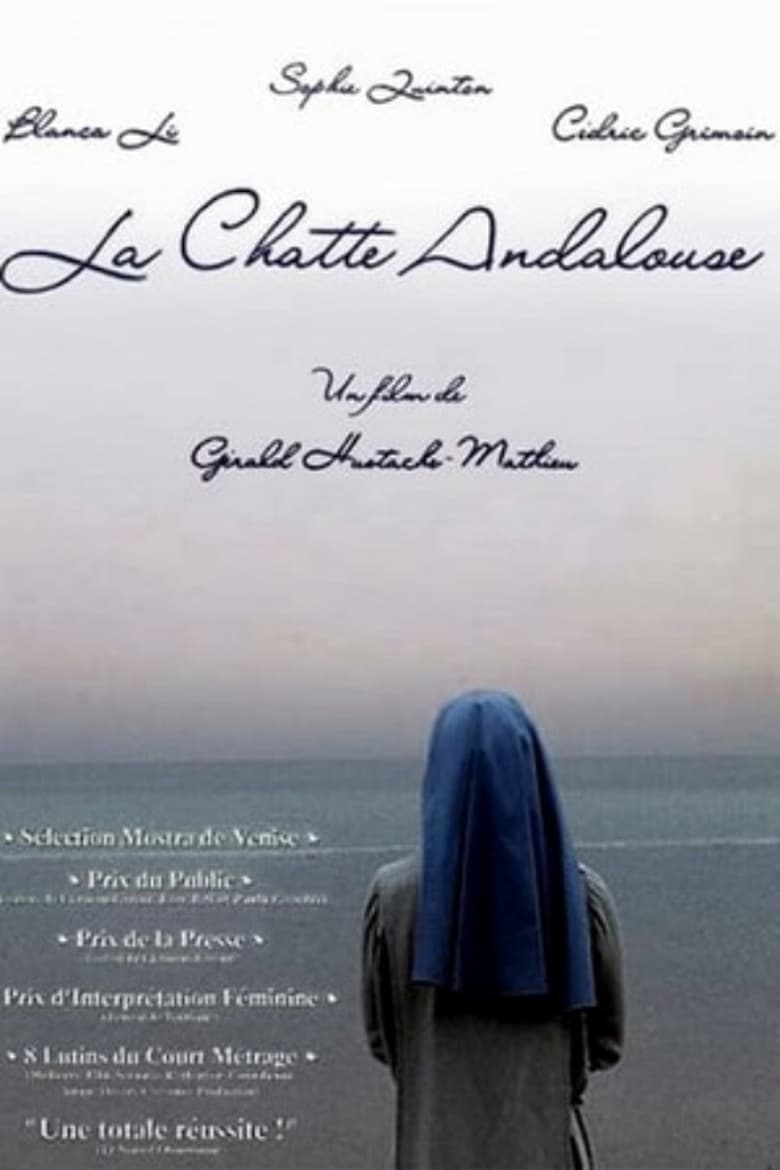
Sister Angèle is a nun just twenty-one years old. She sells the honey gathered by her fellow nuns at the street market. But she also indulges in strange activities – she secretly visits a young man, Paolo, in a bungalow on the beach. She also visits patients in hospital. It’s here that she’s met a young Spanish woman, Rosa Maria Dolorès, whose days are numbered. This encounter, along with her relationship with Paolo, bring her face to face with herself, make her listen to the sound of her beating heart.
Overall Score
Fair
Category Breakdown
LGBTQ+ Representation
The narrative centers on a woman navigating the boundaries of her religious vows and personal desire. While explicit queer romantic pairings are not confirmed, the story explores potential non-heteronormative emotional connections.
Gender Representation
Sister Angèle is depicted as an active agent rather than a passive religious figure. The film prioritizes female subjectivity and emotional independence through her complex social navigation and internal autonomy.
Racial & Ethnic Diversity
The inclusion of Rosa Maria Dolorès introduces an ethnic dimension to the story. This cross-cultural exchange between French and Spanish characters helps challenge a monolithic cultural lens.
Religious & Cultural Diversity
The film critiques the rigidity of religious institutions by following a nun who engages in activities outside the convent. It prioritizes individual experience and personal truth over institutional dogma.
Disability Representation
The story includes a character facing terminal illness, which allows for an exploration of the human condition. However, it is unclear if this is handled with agency or as a plot device.
Strengths
Areas for Improvement
AI Analysis
Andalusian Rose is a character-driven drama that subverts the traditional 'nuns in a convent' trope. By focusing on Sister Angèle’s internal awakening and her pursuit of personal desire, the film moves away from institutional adherence toward individual agency. The film succeeds in centering female subjectivity and exploring cross-cultural connections through the character of Rosa Maria Dolorès. These elements provide a necessary critique of social and religious constraints. However, the narrative lacks a large-scale diverse ensemble, focusing instead on isolated character encounters. The representation of disability and LGBTQ+ themes remains somewhat ambiguous due to a lack of explicit detail.
2012

2002
1975

2000

1986

2013

1997

2003

2013

1994
1992
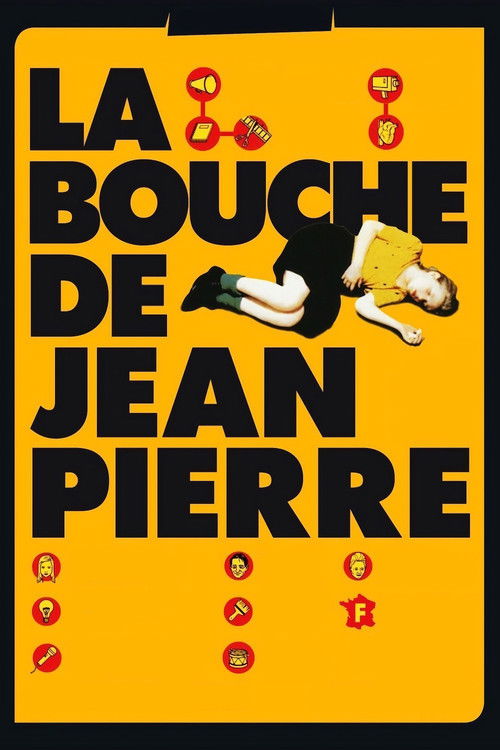
1997
No reviews yet. Be the first to share your thoughts on this movie!
Use the rating form above to leave a star rating and optional review.