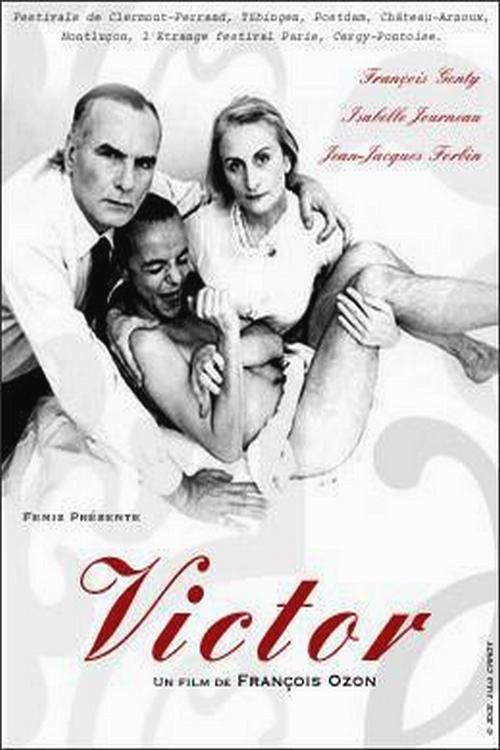
Victor
1993
No user ratings available yet
Representation score: 6.6 out of 10

Representation Score
Good
1991
Director
Arnaud Desplechin
Runtime
53 minutes
Average Rating
No ratings yetNew Showbiz Analysis
Arnaud Desplechin’s drama deconstructs traditional social hierarchies and moral absolutes. By emphasizing women's ability to drive the story and psychological complexity, the film moves away from rigid gender roles. It uses a medical crisis to explore family fragmentation. However, the film’s focus on a specific French milieu limits its racial and ethnic diversity. While it explores emotional fluidity, it doesn’t include explicit LGBTQ+ representation. Ultimately, the film offers a sophisticated character study. It prioritizes deep, intellectual explorations of mental health and interpersonal volatility over broader social representation.
Category Breakdown
The film examines fluid emotions and rejects stable, traditional romances. However, it doesn't show same-sex relationships or non-binary identities explicitly.
Female characters lead the plot with their intellect and emotions. The film challenges typical masculine roles by highlighting the volatility of youth and romantic jealousy.
The cast reflects a homogeneous middle-class French setting. There is no significant ethnic diversity in this provincial drama.
The story focuses on personal truths and modern values, rather than religious traditions. It portrays the traditional family as a source of conflict and fragmentation.
A character in a coma drives the plot. The film avoids overly sentimental stories, focusing instead on the psychological impact and broader societal issues.
Present on Screen
Limited or Absent
Official Synopsis
A young woman convenes with her extended family in a provincial village where her cousin, in a coma, is hospitalized after attempting suicide.
1993

1972

1992

1995

1975

2004
1990

2009
No reviews yet. Be the first to share your thoughts on this movie!
Use the rating form above to leave a star rating and optional review.