
I Am Cuba
1964
No user ratings available yet
Representation score: 7.4 out of 10
Representation Score
Good
1968
Director
Humberto Solás
Runtime
161 minutes
Average Rating
No ratings yetNew Showbiz Analysis
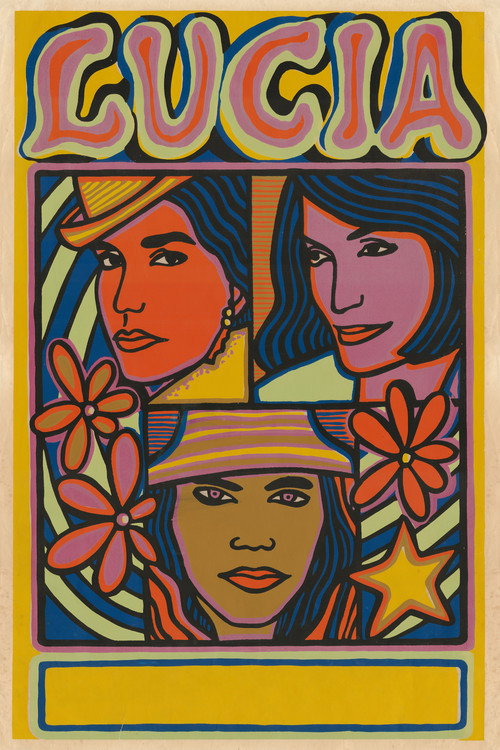
Lucía is a sophisticated film that deconstructs colonial and patriarchal power structures. By exploring three distinct eras, the film elevates the voices of those typically overlooked and challenges the status quo of historical narratives. The film excels in its portrayal of racial and cultural identity, moving beyond surface-level representation to address systemic oppression. It successfully weaves the struggle for gender autonomy with the fight for national sovereignty. While the film lacks specific visibility for LGBTQ+ or non-traditional gender identities, its focus on women's ability to drive the story and anti-colonialist sentiment creates a powerful, multi-layered critique of Western hegemony.
Category Breakdown
The film highlights the importance of female sexuality as a means of political freedom but operates within an assumption that everyone is straight or cisgender. It does not provide explicit visibility for those with non-traditional gender identities.
Solás emphasizes the consciousness of women to challenge the idea that women are passive observers. The three main characters play a significant role in driving the story, reclaiming bodily autonomy and intellectual authority amid political turmoil.
The narrative offers a nuanced look at Afro-Cuban and mixed-race identities. It uses character depth to examine systemic oppression and racial stratification without reducing these characters to mere tokens.
The film provides a profound critique of Spanish imperial rule and Western colonial institutions. It portrays the disruption of traditional family and religious structures as crucial for national liberation.
There are no prominent depictions of physical or neurodivergent disabilities that serve as central narrative drivers.
Present on Screen
Limited or Absent
Official Synopsis
Traces episodes in the lives of three Cuban women, each named Lucía, from three different historical periods: the 1890s, the 1930s, and the 1960s.
1964
2005
2001
1986

1960

1982
1980
1982
No reviews yet. Be the first to share your thoughts on this movie!
Use the rating form above to leave a star rating and optional review.