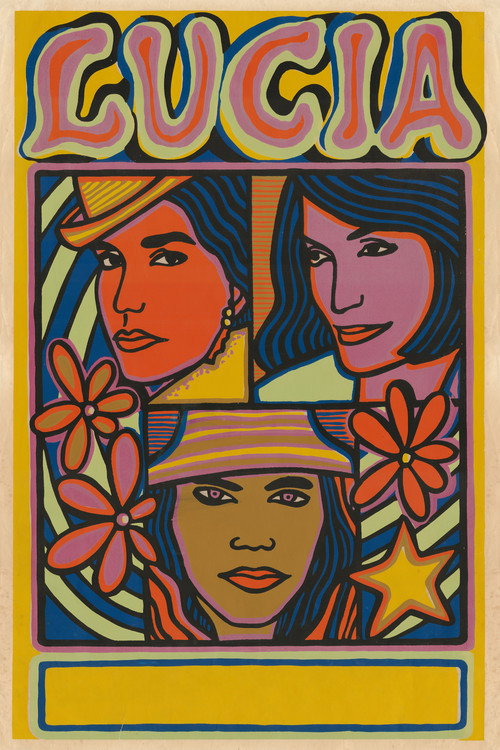
Lucía
1968
No user ratings available yet
Representation score: 6.7 out of 10

Representation Score
Good
1982
Director
Humberto Solás
Runtime
127 minutes
Average Rating
No ratings yetNew Showbiz Analysis
Cecilia is a sophisticated deconstruction of the 19th-century Cuban caste system. It moves beyond simple period romance to explore how systemic power dynamics shape individual lives. The film effectively uses a post-colonial lens to challenge historical hierarchies. The film excels in its portrayal of racial stratification and the Afro-Cuban experience, offering a deeper critique of colonial oppression compared to standard period dramas. Cecilia's active role elevates the gender dynamics within the historical context. However, it remains limited by its historical setting, offering little in the way of LGBTQ+ representation.
Category Breakdown
The film focuses on the romantic tensions typical of the 19th century, with no clear representation of LGBTQ+ identities or queer narratives.
Cecilia actively drives the story, serving as a central figure who embodies female desire and autonomy amid a turbulent political environment.
The film uses the Afro-Cuban experience to critique colonial structures, providing a nuanced look at racial stratification, including the 'mulatto' class and the threat of slave rebellion.
It offers a profound critique of Western colonial institutions and rigid class structures, portraying the colonial administration as a corrupt system that stifles human ability to act.
There is no significant evidence regarding the portrayal of physical or neurodivergent disabilities in this work.
Present on Screen
Limited or Absent
Official Synopsis
The story of Cecilia is a story of the society that dominated 19th-century Cuba, a society divided between whites, blacks, and those who were mixed, the mulattos. (Since the Spanish conquistadors killed off the Indian population in Cuba not long after they took over the island, there are no mestizos, or those of mixed-Indian blood in Cuba as in other Caribbean nations.) At any rate, the drama about the life and loves of Cecilia (Daisy Granados) takes place against the backdrop of graphically violent mistreatment of slaves and the rumors of a slave rebellion after the Cubans hear of slaves turning against their captors in Haiti.
1968

1964

1969
1969
1982
1997
1993

2005
No reviews yet. Be the first to share your thoughts on this movie!
Use the rating form above to leave a star rating and optional review.