Women Is Losers
2021
No user ratings available yet
Representation score: 8.8 out of 10
Representation Score
Good
2017
TV-MADirector
Natalia Beristáin
Runtime
86 minutes
Average Rating
No ratings yetNew Showbiz Analysis
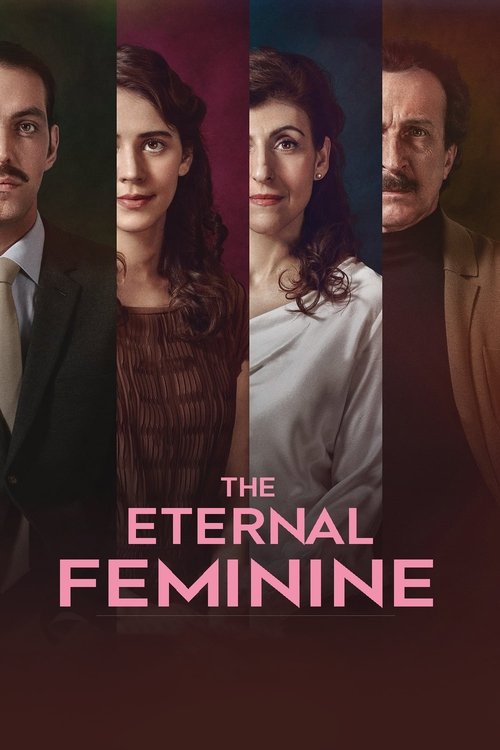
The Eternal Feminine is a sophisticated exploration of women's ability to drive the story that disrupts patriarchal historical clichés. By centering the intellectual struggles of Rosario Castellanos, the film elevates female autonomy over the male-dominated structures of 1950s Mexico. The film excels in its cultural specificity, offering a non-Western perspective that avoids the common pitfalls of Anglo-centric cinema. It uses a feminist lens to reframe the cultural narrative, focusing on the complexities of identity and social resistance. However, the film's impact is limited by a lack of explicit LGBTQ+ representation and the absence of disability narratives. While it questions gendered expectations, it remains primarily focused on the straight-centered tensions of the protagonist's life.
Category Breakdown
The film focuses on the internal emotional landscapes of women. While it doesn't include explicit LGBTQ+ plotlines, it questions traditional gender roles by examining the expectations placed on women.
This narrative challenges traditional hierarchies by highlighting the intelligence and influence of women. It portrays Rosario Castellanos fighting for her voice in a male-dominated 1950s Mexican society.
The film offers a non-Anglo-centric perspective by centering Mexican identity. It avoids a Western default lens and focuses on the specific socioeconomic nuances of the region.
The story explores the tension between personal identity and traditional institutions. It challenges rigid social norms and the sanctity of domestic roles through a feminist lens.
There is no significant evidence regarding the portrayal of physical or neurodivergent disabilities within the narrative arc.
Present on Screen
Limited or Absent
Official Synopsis
Rosario Castellanos is an introverted university student who doesn't seem to belong to her time. In the early 1950s in Mexico City, she is fighting to have voice heard in a society run by men. She is about to become one of the biggest female writers in Mexican literature, but her tumultuous love story with Ricardo Guerra will manifest her fragility and contradictions. At the peak of her career and her marriage, she will ignite a discussion that will mark a turning point in her life.
2021
2008
2012
2013
2016

2016
2015
2016
No reviews yet. Be the first to share your thoughts on this movie!
Use the rating form above to leave a star rating and optional review.