You are here:

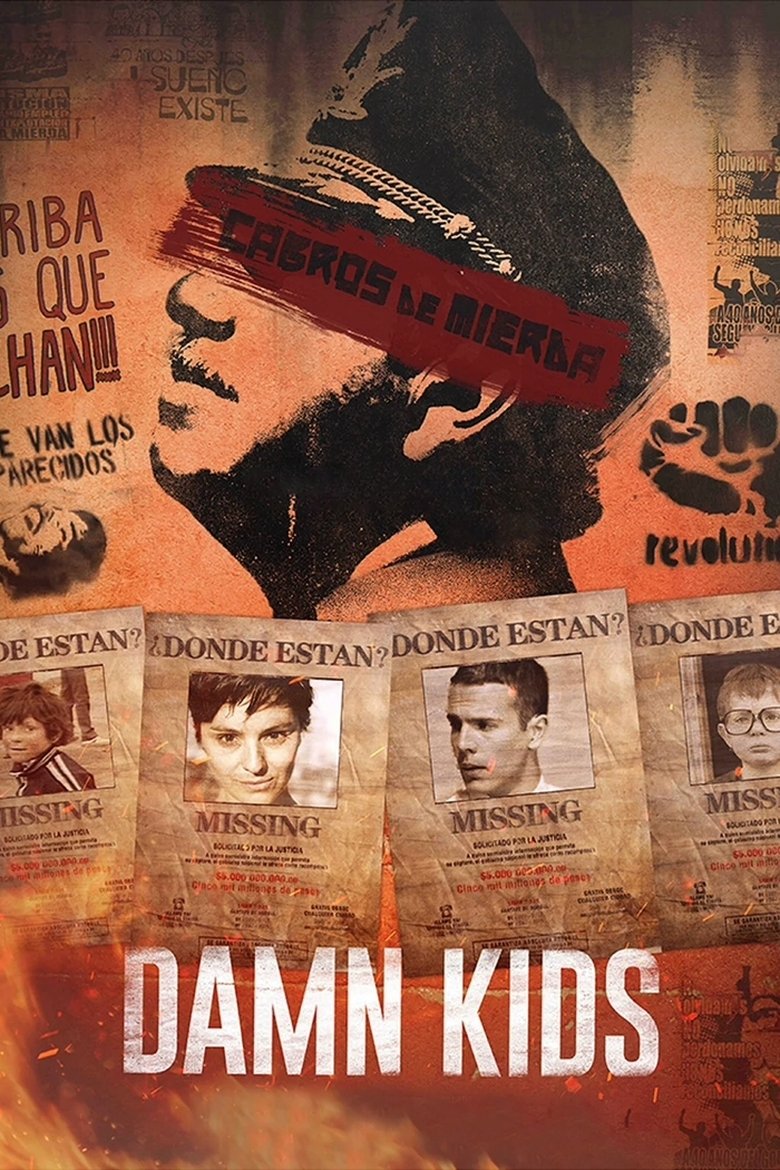
Damn Kids

Damn Kids

Representation Score

6.6/10

Good

2017

Director

Gonzalo Justiniano

Runtime

118 minutes

Average Rating

No ratings yet

New Showbiz Analysis

Damn Kids offers a nuanced look at survival during the Pinochet dictatorship by centering the domestic life of a underrepresented community. It successfully shifts the historical lens away from political leaders and toward the resilience of women and the working class. The film excels at portraying the intersection of class struggle and state oppression. By focusing on the La Victoria neighborhood, it provides an authentic, non-sanitized view of life on the periphery of power. While strong in gender and cultural representation, the film lacks visible LGBTQ+ character development or disability representation. The narrative remains tightly focused on the immediate socio-political struggle of the protagonist.

Watch this, not that →

Category Breakdown

Does Damn Kids have LGBTQ+ representation?

Fair

The film mainly focuses on the domestic struggles of Gladys and her family. There is little evidence of explicit LGBTQ+ character arcs or subtext within the central narrative.

How does Damn Kids portray gender?

Good

Gladys serves as a brave, central figure who navigates scarcity who play a significant role in driving the story. The film challenges traditional male-led political narratives by prioritizing a woman's resilience.

How racially and ethnically diverse is Damn Kids?

Excellent

The story centers on a underrepresented Chilean community, providing high ethnic authenticity. It de-centers elite perspectives by focusing on the working class in the La Victoria neighborhood.

How does Damn Kids represent religion and culture?

Excellent

The narrative engages deeply with anti-authoritarian themes by framing the Pinochet regime as oppressive. It highlights the systemic hardships faced by those living in adverse urban environments.

Does Damn Kids include disability representation?

Minimal

There is no discernible evidence regarding the portrayal of physical or neurodivergent disabilities in this work.

Present on Screen

  • Strong women's ability to drive the story through the character of Gladys.
  • Authentic portrayal of underrepresented Chilean working-class communities.
  • Effective critique of systemic oppression and state violence.

Limited or Absent

  • Lack of explicit LGBTQ+ character arcs or subtext.
  • No visible representation of physical or neurodivergent disabilities.

Official Synopsis

Chile, 1983. Gladys is a brave young woman who lives in La Victoria, a marginal neighborhood of Santiago with her mother and daughter during the Pinochet dictatorship. One day they receive a young missionary, Samuel Thompson, who, with his camera, records how the population lives in such an adverse scenario.

How are these scores produced? →

Where to Watch

Rate this Movie

No rating selected
Use arrow keys to select a rating from 1 to 5 stars
Optional text review, maximum 2000 characters
Tip: Wrap spoilers with ||double pipes|| to hide them
0/2000 characters
You must be signed in to submit a rating

Reviews

No reviews yet. Be the first to share your thoughts on this movie!

Use the rating form above to leave a star rating and optional review.