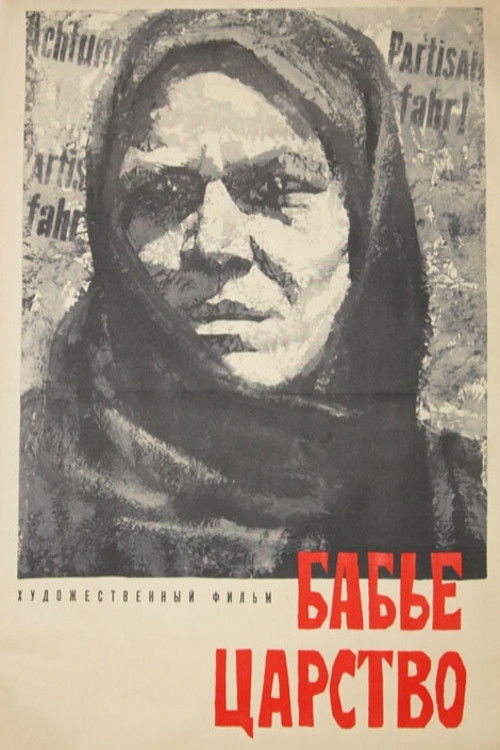
Women Kingdom
1968
No user ratings available yet
Representation score: 4.1 out of 10
Representation Score
Good
1980
Director
Ali Khamraev
Runtime
71 minutes
Average Rating
No ratings yetNew Showbiz Analysis
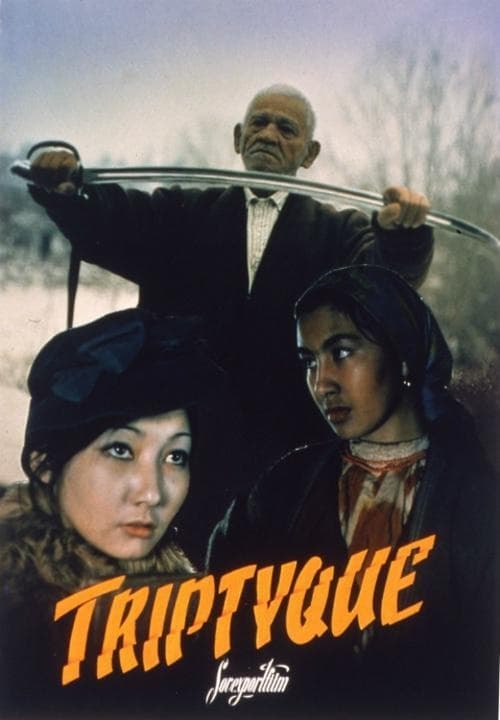
Ali Khamraev’s *Triptych* is a sophisticated study of women's ability to drive the story in post-war Uzbekistan. By using a three-part structure, the film avoids a monolithic perspective, instead showcasing how different generations of women navigate societal constraints. The film excels in its cultural specificity and its refusal to present a singular female experience. It effectively uses the tension between tradition and modernization to highlight the evolving roles of women in a transitional society. While the film provides a rich exploration of gender and ethnicity, it remains focused on heterosexual and cisgender social frameworks. It does not explore queer identities or disabilities.
Category Breakdown
The film focuses on heterosexual and cisgender social structures such as marriage and domestic life. There is no explicit depiction of non-cisgender identities or same-sex relationships.
The story centers entirely on female subjectivity through three distinct modes of influence. It challenges traditional domestic roles by positioning women as the primary drivers of social change.
The film offers high ethnic specificity by centering on the Uzbekistani experience. It avoids outsider clichés, presenting a self-contained and culturally rich Central Asian community.
The narrative explores the tension between communal customs and secular progress. It critiques patriarchal family structures by framing them as obstacles to individual development.
There is no specific evidence of characters defined by visible or invisible disabilities. The film focuses more on the social hardships faced by the protagonists.
Present on Screen
Limited or Absent
Official Synopsis
Three women’s lives intersect in a small town in Uzbekistan following the Second World War. The first, an old woman trapped in a forced marriage; the second, a schoolteacher intent on imposing progress on the remote region; the third, a young woman determined to build her own house without her husband’s or the state’s approval.
1968

2000

1965

1964
1990

2005
2019
2009
No reviews yet. Be the first to share your thoughts on this movie!
Use the rating form above to leave a star rating and optional review.