Oceans Are the Real Continents
2023
No user ratings available yet
Representation score: 6.2 out of 10
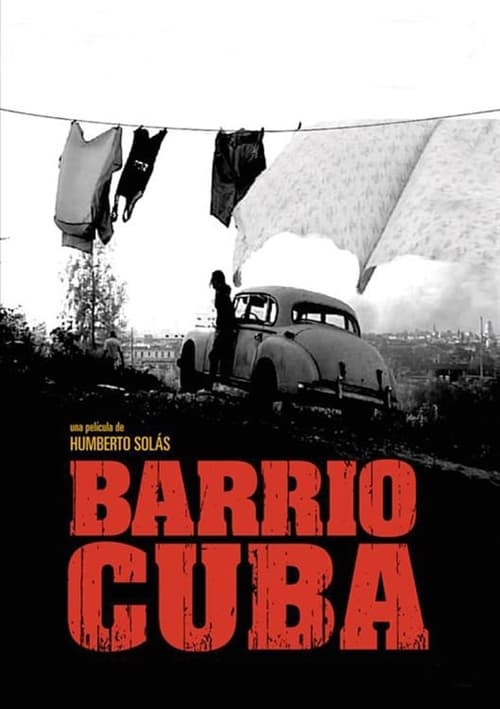
Representation Score
Good
2005
Not RatedDirector
Humberto Solás
Runtime
105 minutes
Average Rating
No ratings yetNew Showbiz Analysis
Barrio Cuba is a nuanced examination of communal life in Havana, avoiding idealized domesticity. By centering the emotional labor of women and the unique cultural textures of a Cuban neighborhood, the film provides a sophisticated critique of societal structures. Personal struggles, such as sexual orientation and reproductive pressures, are used to challenge broader systemic rigidities. This approach highlights how societal expectations affect individual experiences. However, the film's portrayal of LGBTQ+ identities is primarily tied to domestic conflicts, and it lacks representation of physical or neurodivergent disabilities.
Category Breakdown
The film explores queer identity through a domestic conflict involving Magalis's father and brother. However, the orientation is used more as a source of family tension than as a celebrated part of their identity.
Women play key roles as both emotional anchors and professionals, especially through Magalis's work as a nurse. The story highlights the pressures placed on women regarding biological reproduction and societal expectations.
Set in a Havana neighborhood, the film avoids typical Western stereotypes by focusing on an Afro-Caribbean cultural landscape. Characters’ identities are closely linked to their specific socio-economic and geographic context.
The narrative presents a complex critique of social institutions and the nuclear family. It shows how systemic hardships and societal pressures shape individuals' struggles and moral decisions.
There is no explicit evidence regarding the portrayal of physical or neurodivergent disabilities in the narrative.
Present on Screen
Limited or Absent
Official Synopsis
Over several years, we follow three households and their emotions in a barrio of Havana. Magalis is a nurse, rarely happy. An older man, Ignacio, professes his love for her; her father and her brother quarrel over her brother's sexual orientation; she thinks about leaving Cuba. Santo's wife Maria is expecting their first child. Tragedy strikes and Santo leaves, drowning sorrows in alcohol and crime while his son grows up in the care of an aunt wondering where dad is. Vivian and Chino are in love, passionate, but childless. The pressures of a society that demands grandchildren strain their relationship.
2023
1964

2015
1994

1995
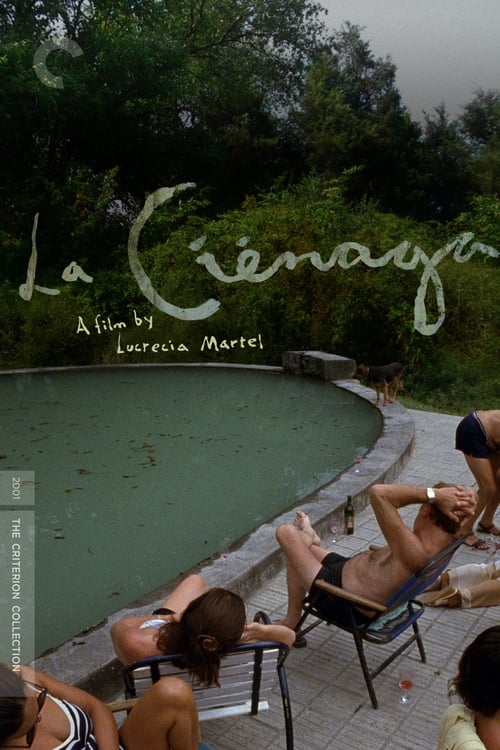
2001
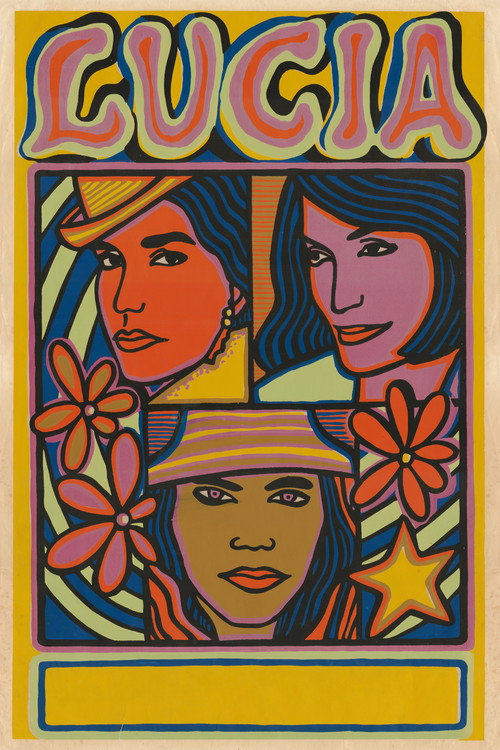
1968
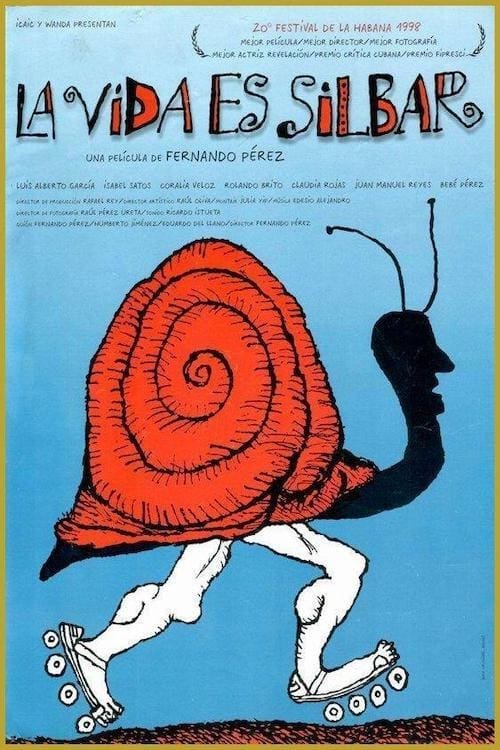
1998
No reviews yet. Be the first to share your thoughts on this movie!
Use the rating form above to leave a star rating and optional review.