
Hotel Coppelia
2021
No user ratings available yet
Diversity score: 7.4 out of 10

2010
Director
Juan Delancer
Runtime
116 minutes
Average Rating
No ratings yetSynopsis
Dominican Republic is under the sway of dictator Rafael Leonidas Trujillo Molina, who has ruled the country with an iron fist since 1930. The Mirabal Sisters, Patria, Minerva, and María Teresa, involved in an underground movement against the government, dared to defy the dictator. But this act of bravery and courage leads to tragic consequences.
Overall Score
Good
Category Breakdown
LGBTQ+ Representation
The film focuses on political resistance and sisterhood within a restrictive dictatorship. There is no explicit evidence of queer-coded subtext or non-cisnormative identities central to the plot.
Gender Representation
The narrative disrupts traditional hierarchies by centering female agency. The Mirabal sisters are depicted as the primary drivers of political change rather than passive victims of a patriarchal regime.
Racial & Ethnic Diversity
The film achieves ethnic authenticity by centering a Dominican narrative. It avoids a Western gaze by focusing on the internal socio-political struggles of a Caribbean nation.
Religious & Cultural Diversity
The story critiques traditional power structures and state-mandated morality. It frames the Trujillo regime as an oppressive institution, favoring systemic justice over state-sanctioned legality.
Disability Representation
There is no significant evidence regarding the portrayal of physical or neurodivergent disabilities in the narrative.
Strengths
Areas for Improvement
AI Analysis
Tropic of Blood is a sophisticated historical drama that dismantles traditional power dynamics. By centering the Mirabal sisters, the film shifts the focus from the 'great man' theory of history toward a model of collective, intersectional resistance. The film excels in its portrayal of female agency and cultural authenticity. It successfully subverts domestic roles by positioning women as the intellectual and organized force challenging a male-dominated military dictatorship. While the film lacks overt LGBTQ+ representation, it provides a rich, complex look at how marginalized groups navigate systemic oppression. The narrative architecture effectively uses historical revisionism to highlight the struggle for sovereignty.
2021

1968
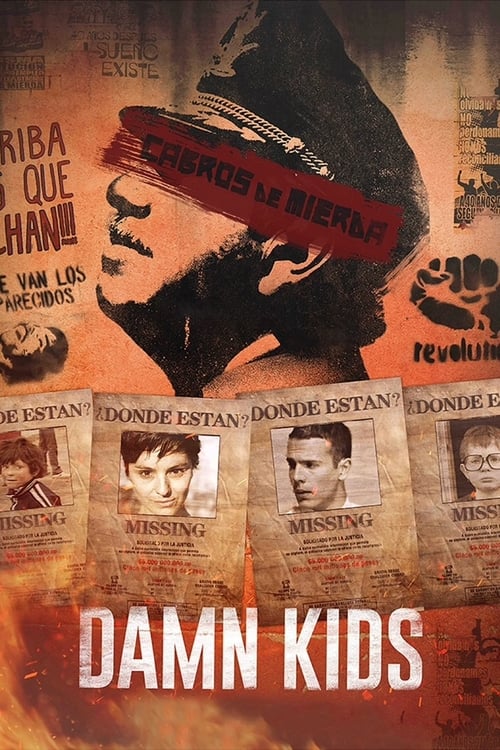
2017

1982
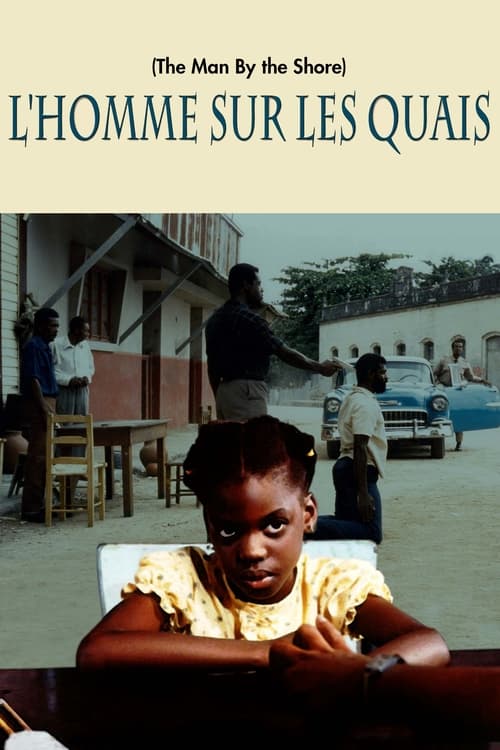
1993
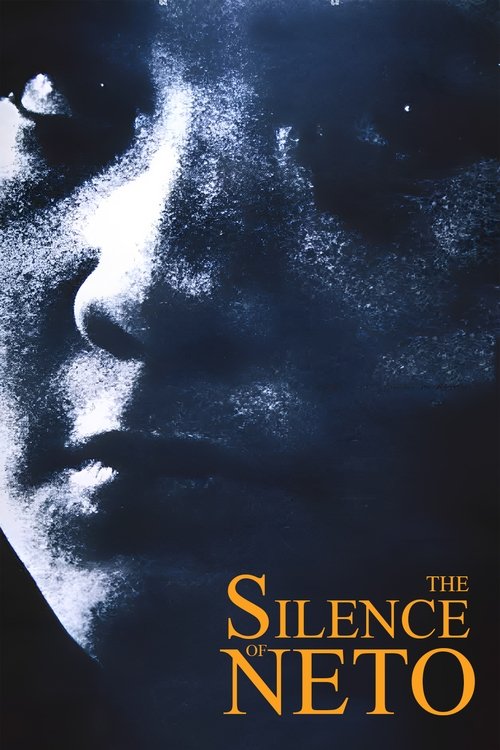
1996
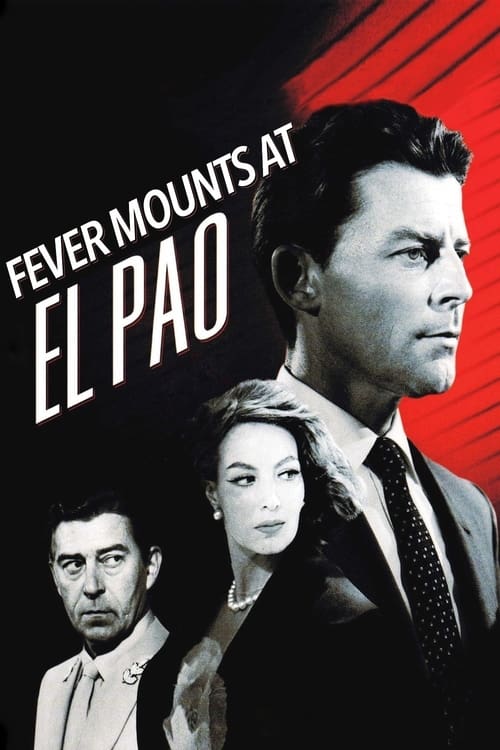
1959
2016

1969

2019

2003

1999
No reviews yet. Be the first to share your thoughts on this movie!
Use the rating form above to leave a star rating and optional review.