For the Children
1916
No user ratings available yet
Diversity score: 2.9 out of 10
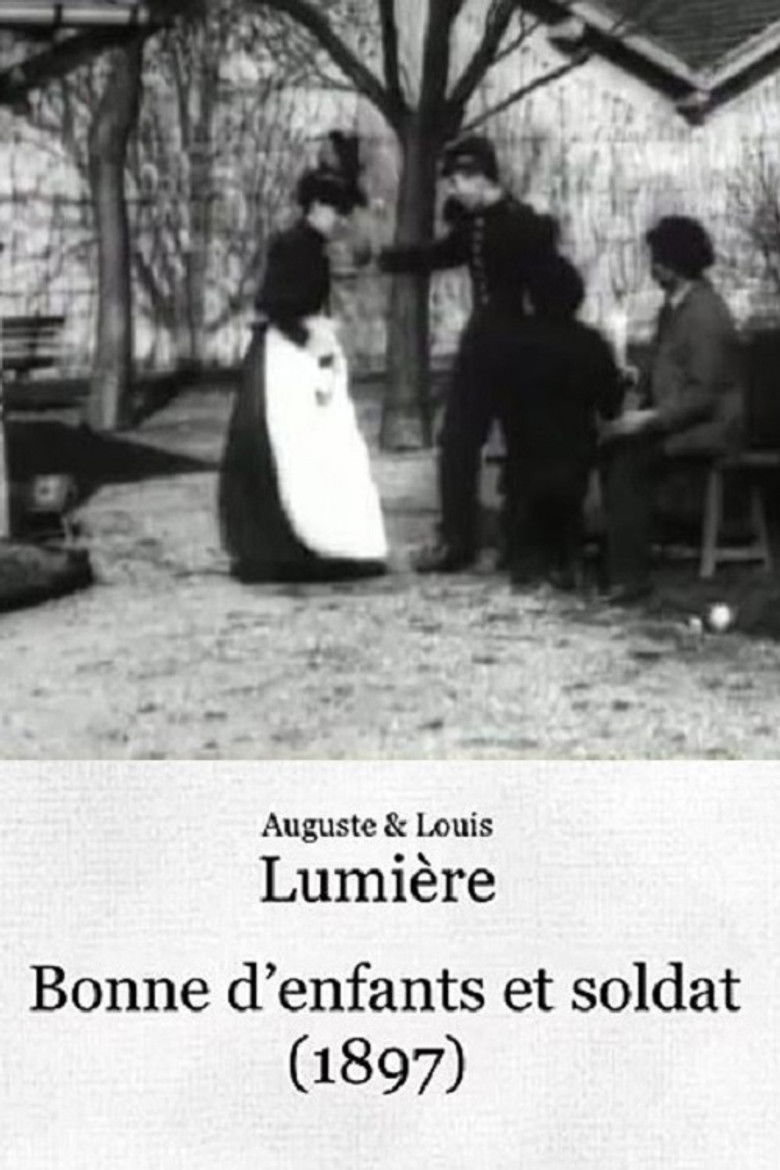
1897
Director
Louis Lumière, Auguste Lumière
Runtime
1 minutes
Average Rating
No ratings yetSynopsis
A maid is out walking with her young charge when a soldier takes the boy's place.
Overall Score
Limited
Category Breakdown
LGBTQ+ Representation
The film lacks any evidence of non-cisnormative gender identities or same-sex intimacy. It appears to follow the traditional social structures of the late 19th century.
Gender Representation
A maid and a soldier serve as the central figures. However, the narrative seems to reinforce conventional period roles and traditional domestic hierarchies.
Racial & Ethnic Diversity
The cast likely reflects the homogeneous demographic of late 19th-century France. There is no indication of intentional racial blending or color-blind casting.
Religious & Cultural Diversity
The story depicts established social roles, such as domestic servants and military figures. It reflects the social mores and order of the era.
Disability Representation
There is no information available regarding the depiction of physical or neurodivergent characters in this work.
Strengths
Areas for Improvement
AI Analysis
The film serves primarily as a historical artifact of early cinema. It captures the standard social hierarchies and demographic compositions of the late 1800s without attempting to disrupt them. While the maid is a central character, the narrative remains within the bounds of conventional period roles. The lack of diverse representation is a reflection of the era's established social and cultural norms rather than a modern narrative choice. Ultimately, the work lacks the complexity required to challenge traditional tropes, functioning instead as a mirror to the homogeneous society of its time.
1916
1919
1907

1940

1915
1917
1908
1919
1918
1920
1963
1909
No reviews yet. Be the first to share your thoughts on this movie!
Use the rating form above to leave a star rating and optional review.