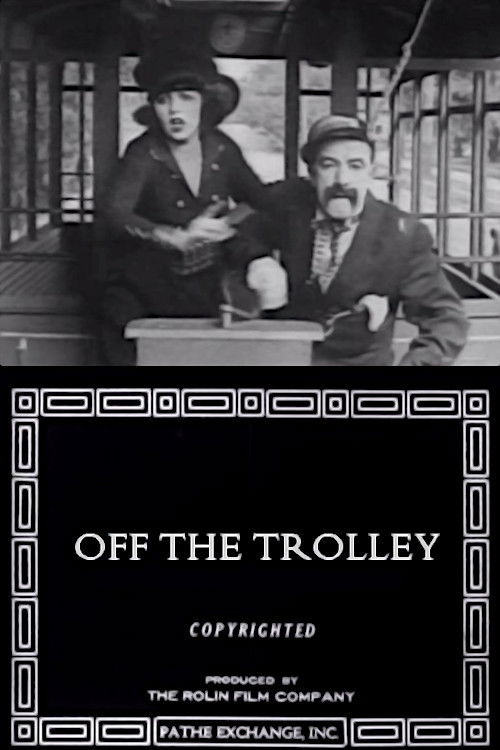
Off the Trolley
1919
No user ratings available yet
Representation score: 1.1 out of 10
Representation Score
Minimal
1918
NRDirector
Alfred J. Goulding
Runtime
10 minutes
Average Rating
No ratings yetNew Showbiz Analysis
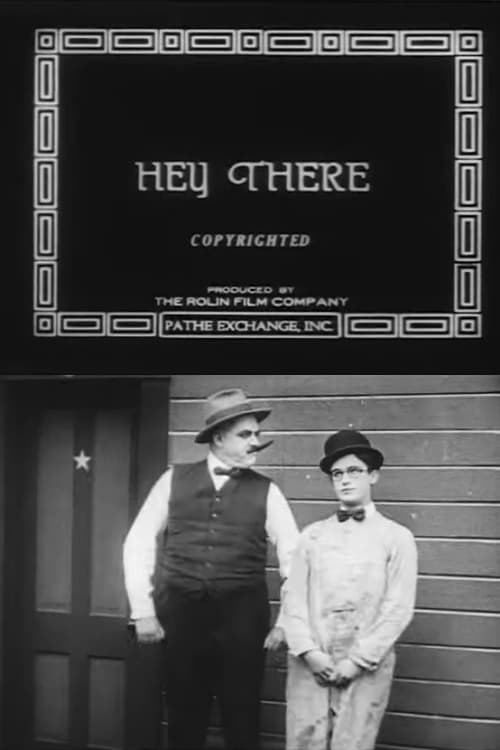
Hey There is a quintessential product of the 1918 silent era, prioritizing kinetic slapstick over social complexity. The narrative relies on established romantic archetypes and traditional hierarchies that were standard for early Hollywood. While the film offers high-energy entertainment through Harold Lloyd's physical comedy, it lacks intentional depth in representing diverse identities. Characters primarily serve as vehicles for humor rather than nuanced representations. Ultimately, the film reflects the homogeneous social landscape of its time, focusing on individualistic pursuits within a Western studio setting.
Category Breakdown
The film focuses on a traditional romantic relationship between a male and a female character. There are no depictions of LGBTQ+ identities or critiques of heterosexuality.
The narrative places the female character as an object of pursuit while the male character drives the plot. This reinforces conventional gender roles from the early 20th century through slapstick humor.
The cast appears uniform, similar to typical early Hollywood productions. There are no non-white characters or indications of racial diversity.
The story operates within a standard Western comedic framework. It uses studio disruptions for humor without challenging institutional power or social philosophies.
There are no characters with visible or invisible disabilities portrayed in this production.
Present on Screen
Limited or Absent
Official Synopsis
In this early short Harold Lloyd sneaks into a movie studio in order to locate an attractive young lady he's just met at a snack bar. He's retrieved a letter she dropped and wants to return it to her, but it's pretty clear that his interest extends beyond mere politeness. (She's the adorable young Bebe Daniels, so this is easy to understand.) The movie studio setting provides Harold with lots of opportunities to do what comedians do in comedies like this one: flirt with actresses, anger the studio brass, and dash through sets disrupting everything.
1919

1928
1919
1927

1914
1918
1919
1917
No reviews yet. Be the first to share your thoughts on this movie!
Use the rating form above to leave a star rating and optional review.