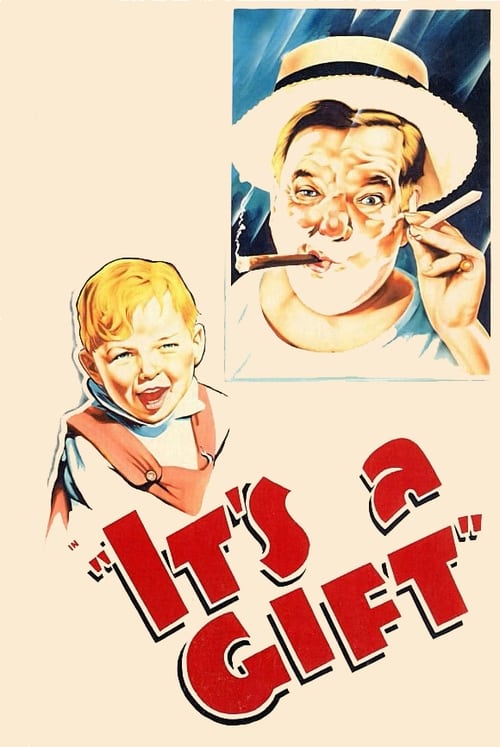
It's a Gift
1934
No user ratings available yet
Diversity score: 2.8 out of 10

1933
PassedDirector
Norman Z. McLeod
Runtime
68 minutes
Average Rating
No ratings yetSynopsis
A couple of down-and-out British aristocrats buy an American roadhouse.
Overall Score
Limited
Category Breakdown
LGBTQ+ Representation
The film lacks explicit depictions of non-heteronormative identities or same-sex intimacy. The narrative focuses strictly on the romantic and economic entanglements of heterosexual protagonists.
Gender Representation
Claudette Colbert’s protagonist demonstrates significant agency by navigating economic hardship through professional autonomy. She disrupts traditional hierarchies by using her intellect and social maneuvering to drive the plot.
Racial & Ethnic Diversity
The cast appears largely homogeneous, centered on British and American social classes. There is no documented evidence of significant racial or ethnic diversity within the narrative.
Religious & Cultural Diversity
The story offers a critique of class-based social structures and the performance of wealth. It highlights the instability of traditional Western economic hierarchies through the protagonist's social maneuvering.
Disability Representation
There is no discernible representation of physical, sensory, or neurodivergent disabilities. Characters are portrayed within the standard bounds of able-bodiedness typical of the era.
Strengths
Areas for Improvement
AI Analysis
A Lady's Profession succeeds in subverting gendered expectations by centering a female protagonist who exercises professional agency. Colbert's character avoids the passive tropes of the era, instead using social intelligence to navigate economic instability. However, the film lacks intersectional depth. It offers almost no representation of racial, ethnic, or LGBTQ+ identities, focusing instead on the nuances of Anglo-Saxon class structures. This narrow demographic scope limits its broader social impact. Ultimately, the film is a study of class performance and gendered survival. While it lacks demographic variety, it provides a meaningful look at how women navigated socioeconomic shifts during the early 1930s.
1934
1935
1919
1936
1951
1929
1931

1957

1934
1929
1921
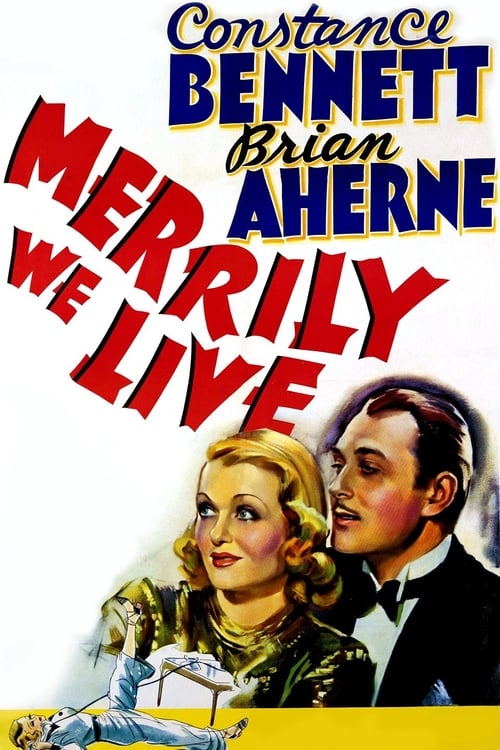
1938
No reviews yet. Be the first to share your thoughts on this movie!
Use the rating form above to leave a star rating and optional review.