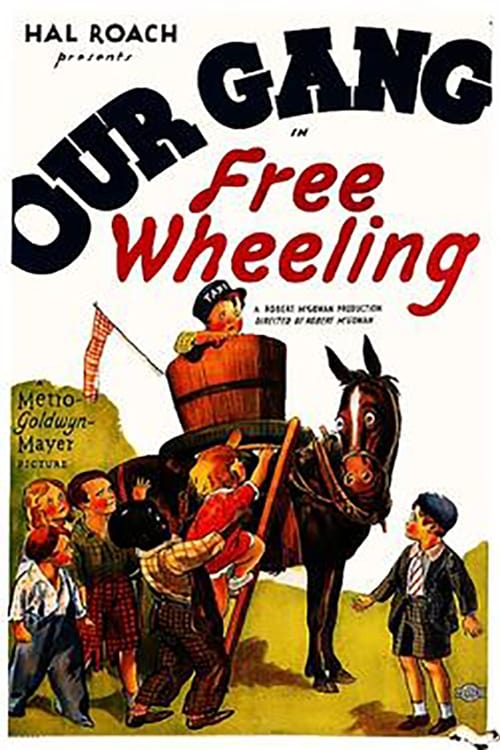
Free Wheeling
1932
No user ratings available yet
Representation score: 4.3 out of 10
Representation Score
Fair
1936
ApprovedDirector
Edward F. Cline
Runtime
21 minutes
Average Rating
No ratings yetNew Showbiz Analysis
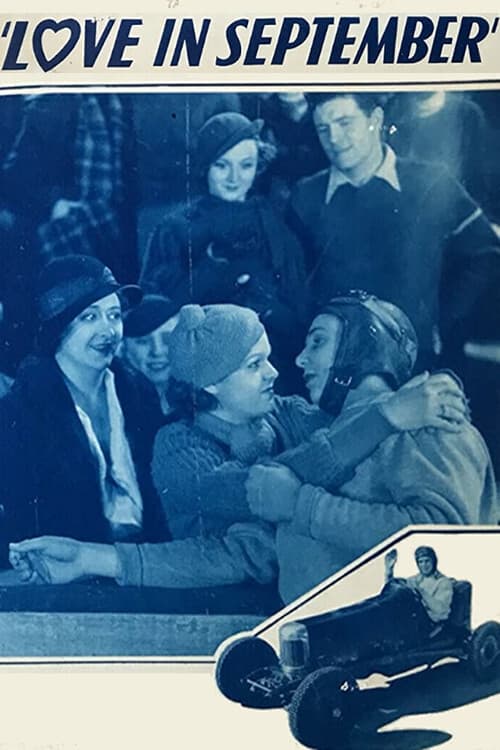
Love in September is a conventional 1930s comedy centered on an elderly woman and the subculture of midget race car racing. While the female protagonist offers a minor shift from standard male-led narratives, the film remains rooted in the era's traditional social hierarchies. The production does not show any multi-layered identities or systemic critiques. The focus on specific niche hobbies and traditional character archetypes suggests a narrative designed for escapism rather than social subversion. Ultimately, the film reflects the homogeneous casting and assumptions typical of mid-1930s Hollywood cinema.
Category Breakdown
The film does not include any characters with non-straight or non-cisgender identities. It seems to rely on traditional 1930s comedic themes centered around heterosexual relationships.
An elderly woman serves as the main character, shifting away from purely male-dominated action. However, her role might still follow a traditional, nurturing archetype.
There is no mention of a diverse or non-Anglo-Saxon cast. The film likely follows the homogeneous casting standards common in 1930s Hollywood.
The story focuses on a niche hobby, suggesting a localized and escapist comedic tone. It lacks any critique of Western institutions or religion.
The focus on midget race cars may treat physical differences as a spectacle. It is unclear if these characters have real influence or are just used for comedic effect.
Present on Screen
Limited or Absent
Official Synopsis
The story of a kindly old lady, her involvement with midget race cars and their drivers.
1932

1936
1953
1931
1926

1934
1949
1934
No reviews yet. Be the first to share your thoughts on this movie!
Use the rating form above to leave a star rating and optional review.