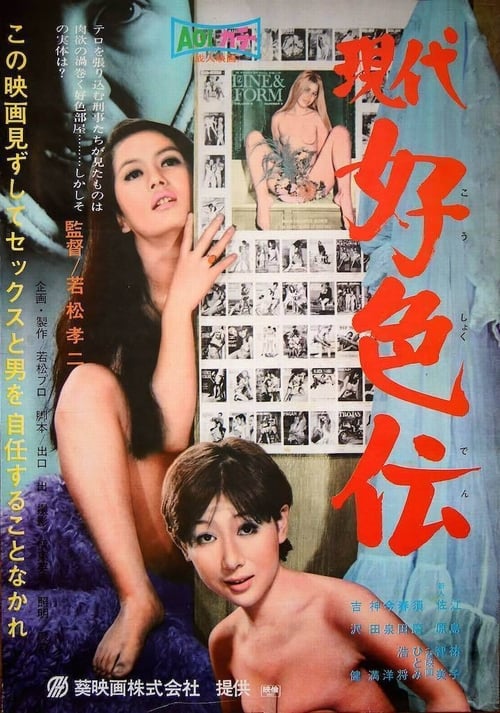
Season of Terror
1969
No user ratings available yet
Diversity score: 5.8 out of 10
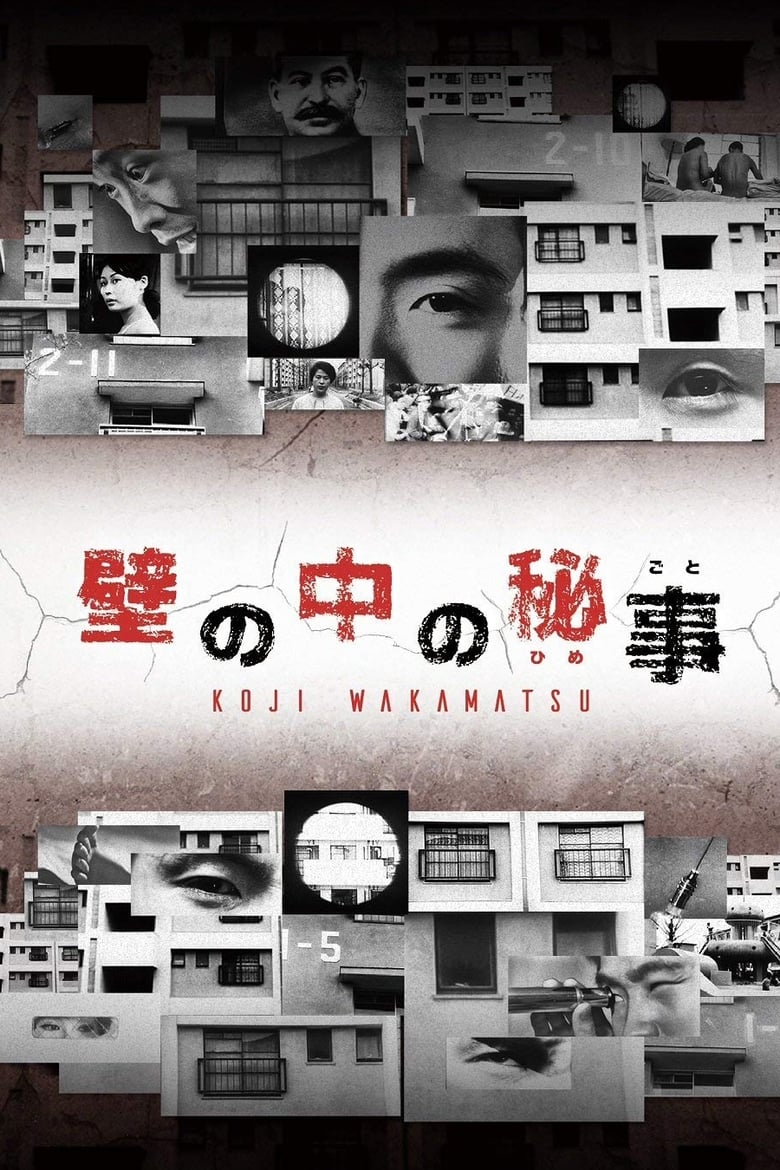
1965
Director
Kōji Wakamatsu
Runtime
75 minutes
Average Rating
No ratings yetSynopsis
In a housing complex, a college prep student is spying on his neighbor, a former peace activist, who now leads an ordinary life as a housewife, having a secret affair with an ex-lover.
Overall Score
Good
Category Breakdown
LGBTQ+ Representation
The film explores clandestine intimacy through a secret affair involving a former activist. While specific gender identities remain unstated, the focus on non-normative emotional landscapes subverts traditional domestic stability.
Gender Representation
The narrative deconstructs the passive housewife trope by granting the female protagonist hidden agency. Her complex desires and secret history disrupt patriarchal expectations of the domestic sphere.
Racial & Ethnic Diversity
Set within a culturally homogeneous Japanese context, the film lacks multi-ethnic casting. However, it uses the activist's outsider status to explore themes of social alienation.
Religious & Cultural Diversity
The film engages deeply with post-war social shifts and political identity. It critiques the sanctity of the traditional family unit by contrasting performative conformity with authentic, secret lives.
Disability Representation
There is no discernible evidence regarding the portrayal of physical or neurodivergent disabilities within the narrative.
Strengths
Areas for Improvement
AI Analysis
Kōji Wakamatsu uses a voyeuristic lens to examine the friction between private identity and public expectation. The film succeeds in disrupting conventional domesticity by presenting characters whose internal lives operate outside of rigid societal structures. While the film lacks racial intersectionality, it offers a sophisticated critique of post-war consumerist conformity. The tension between the protagonist's activist past and her current housewife persona provides a nuanced look at individual agency. Ultimately, the work functions as a study of quiet rebellion. It prioritizes the complexity of the 'hidden' self over the performative nature of social stability.
1969
1968

1966

1977
1976

1973

1975

1969

1985

1961

1963

1961
No reviews yet. Be the first to share your thoughts on this movie!
Use the rating form above to leave a star rating and optional review.