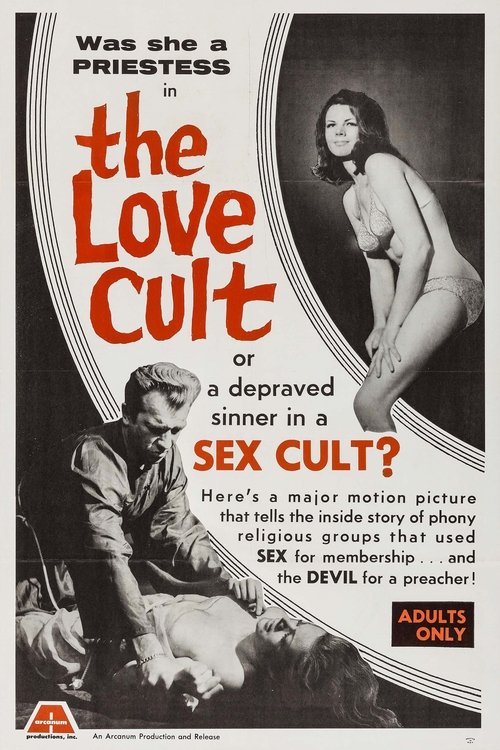
The Love Cult
1966
No user ratings available yet
Diversity score: 4.6 out of 10
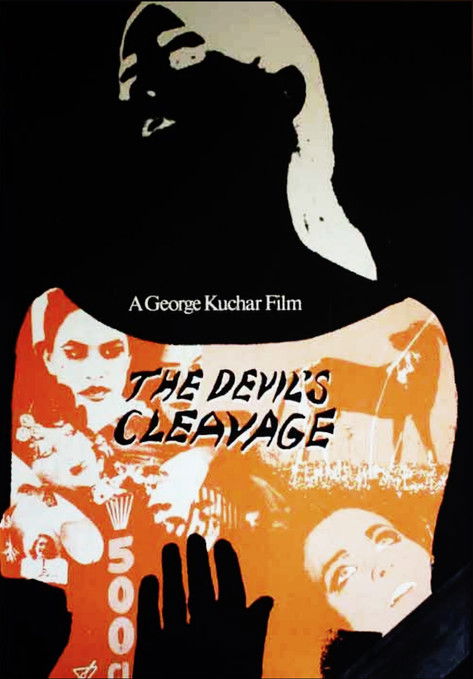
1975
Director
George Kuchar
Runtime
109 minutes
Average Rating
No ratings yetSynopsis
A shady motel manager becomes obsessed with a neglected wife.
Overall Score
Fair
Category Breakdown
LGBTQ+ Representation
The film lacks explicit evidence of non-cisnormative identities or same-sex intimacy. While Kuchar’s camp aesthetic often subverts heteronormativity, the primary narrative focuses on a heterosexual obsession.
Gender Representation
The story centers on a neglected wife, a trope that can critique patriarchal structures. By highlighting the fallout of domestic neglect, the film disrupts depictions of stable, traditional marriage.
Racial & Ethnic Diversity
There is no evidence of a diverse or non-Anglo-Saxon cast. The film likely adheres to the homogeneous casting norms typical of 1970s underground exploitation cinema.
Religious & Cultural Diversity
The motel setting acts as a liminal space that facilitates moral relativism. The focus on marginalized figures suggests a departure from traditional Western institutional stability and Christian morality.
Disability Representation
The available documentation provides no specific information regarding the portrayal of physical or neurodivergent disabilities.
Strengths
Areas for Improvement
AI Analysis
The film functions as a character study of psychological displacement and social instability. It finds its strength in challenging the sanctity of traditional institutions like marriage through themes of neglect and transgression. However, the work lacks demographic breadth. The narrative is centered on a specific power imbalance that does not inherently provide intersectional depth or diverse representation. Ultimately, the film's impact is found in its subversion of social respectability rather than its inclusion of diverse identities.
1966
1975

1964
1976

1979

1974
1965

1975

1973

1981

1978
1971
No reviews yet. Be the first to share your thoughts on this movie!
Use the rating form above to leave a star rating and optional review.