
The Stranger
1991
No user ratings available yet
Diversity score: 5.6 out of 10

1990
Director
Satyajit Ray
Runtime
130 minutes
Average Rating
No ratings yetSynopsis
When a wealthy patriarch falls ill on his 70th birthday, three of his sons rush in from Calcutta, leading to a reunion filled with painful ironies and lingering disillusionment. As the family—including an addled fourth son who lives with the old man—watches and waits, the static occasion brings out simmering tensions in their family dynamics, from the father’s moral rectitude to the business ambition of two sons and the withdrawal of their siblings.
Overall Score
Good
Category Breakdown
LGBTQ+ Representation
The film lacks explicit mention of LGBTQ+ identities. While family tensions often allow for such explorations, no specific character data is available to confirm representation.
Gender Representation
The narrative centers on a patriarchal figure and his sons, reinforcing male-dominated hierarchies. However, the focus on familial decay suggests a potential subversion of traditional masculine leadership.
Racial & Ethnic Diversity
As a Satyajit Ray work, the film offers significant South Asian perspectives. It moves away from Western-centric storytelling to examine regional social structures and class dynamics.
Religious & Cultural Diversity
The film deconstructs traditional institutions by highlighting disillusionment surrounding a milestone birthday. It portrays the family unit as a site of conflict rather than sanctity.
Disability Representation
The inclusion of an addled fourth son suggests the presence of neurodivergence or mental health conditions. This provides a lens into non-normative cognitive experiences within the family.
Strengths
Areas for Improvement
AI Analysis
The film serves as a character-driven study of domestic disintegration, focusing on the friction between a patriarch's moral rectitude and the ambitions of his progeny. It avoids idealized portraits of family life, opting instead to explore systemic dysfunction and shifting social values. While the narrative architecture is heavily male-centric, the film's strength lies in its ability to critique traditional authority. By centering South Asian domestic life, it provides a necessary departure from Western-centric cinematic norms. Ultimately, the work functions as a nuanced drama that prioritizes the complexities of human identity and the tension between tradition and modernity.
1991
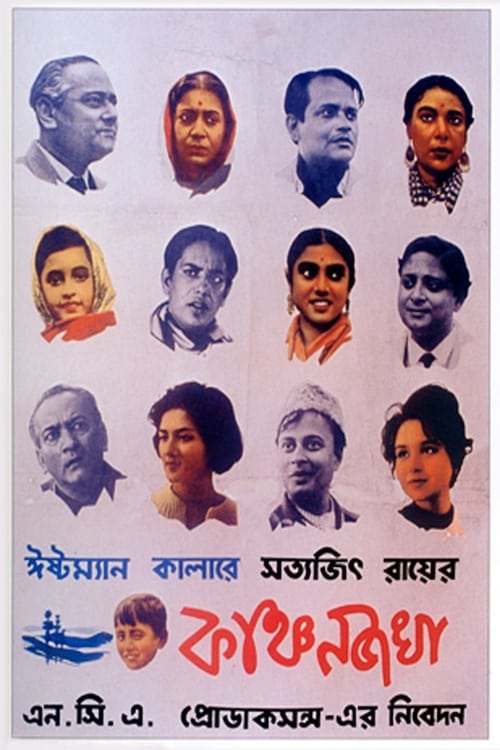
1962

1991

1970
2021
2012
2001

2008
2000
1976
1978
2010
No reviews yet. Be the first to share your thoughts on this movie!
Use the rating form above to leave a star rating and optional review.