
Morte e Vida Severina
1977
No user ratings available yet
Representation score: 5.8 out of 10
Representation Score
Good
1963
Not RatedDirector
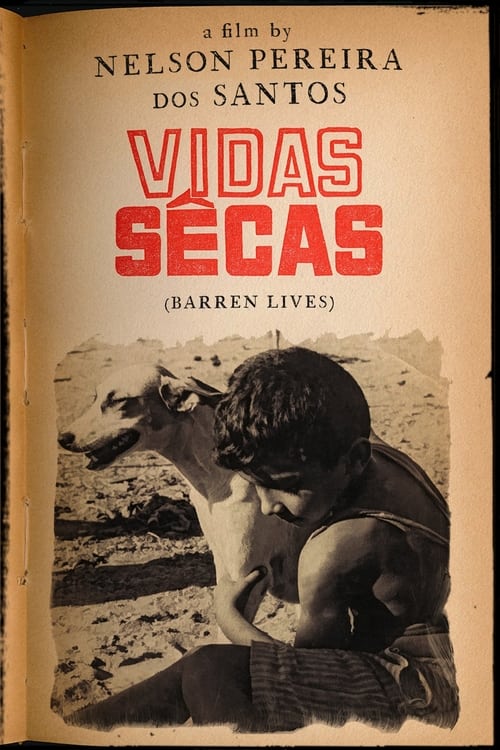
Nelson Pereira dos Santos
Runtime
100 minutes
Average Rating
No ratings yetNew Showbiz Analysis
Barren Lives is a landmark of social realism that centers on the systemic struggles of the Brazilian rural class. It provides visibility to the impoverished peasantry of the sertão, disrupting traditional cinematic hierarchies. While the film lacks modern identity-based markers like LGBTQ+ themes, its commitment to portraying the ability to act of the historically underrepresented is profound. It offers a raw, socio-political critique of environmental and economic oppression. However, its focus on a traditional family structure and the absence of specific disability or queer narratives limit its overall diversity score.
Category Breakdown
The film focuses on a traditional family unit navigating environmental catastrophe. There is no explicit depiction of LGBTQ+ identities or non-straight relationships.
Female characters play crucial roles in the household, showing great resilience and taking significant actions during the drought.
The narrative centers on the underrepresented peasantry of the Brazilian backlands, highlighting the lived experiences of non-Anglo-Saxon and mixed-race populations.
The film uses a documentary-like style to critique systemic neglect in the Brazilian northeast. It presents a gritty, materialist view of existence, challenging pastoral myths.
The story highlights the physical toll of famine and extreme hardship. However, there is no specific mention of characters with disabilities.
Present on Screen
Limited or Absent
Official Synopsis
A destitute family tries to escape the drought in the backlands of northeastern Brazil. Fabiano (Átila Iório), Sinhá Vitória (Maria Ribeiro), their two children and their dog Baleia wander aimlessly and almost hopelessly through the remote interior, surviving the forces of nature and the cruelty of men. An adaptation of the work by Graciliano Ramos.
1977
1964

1981

1953
No reviews yet. Be the first to share your thoughts on this movie!
Use the rating form above to leave a star rating and optional review.