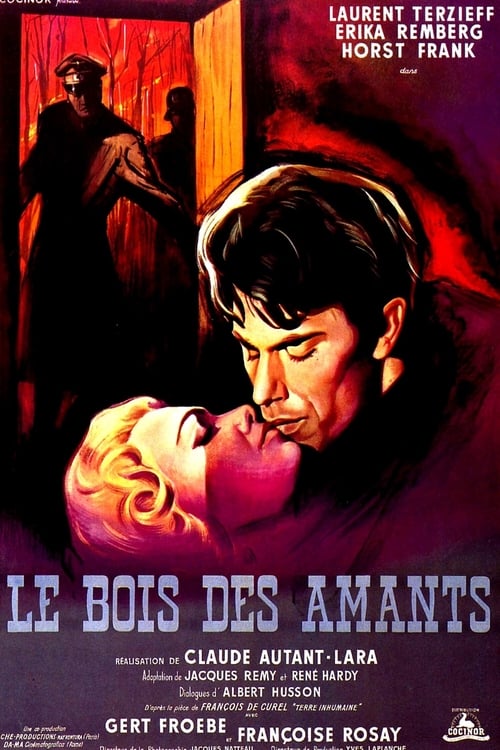
Lovers Woods
1960
No user ratings available yet
Representation score: 4.7 out of 10

Representation Score
Fair
1965
Director
Lucian Pintilie
Runtime
79 minutes
Average Rating
No ratings yetNew Showbiz Analysis
Lucian Pintilie’s drama uses a personal romance to explore the tension between individual identity and systemic oppression. While the central pairing follows a traditional heterosexual framework, the film avoids being a simple period piece by focusing on political rebellion. The strength of the work lies in its refusal to settle into domestic clichés. By casting its protagonists as active resistance fighters, the film elevates their struggle against the crushing weight of historical institutions. However, the film remains limited by its adherence to conventional romantic structures and a lack of visible diversity in its cast or identity representation. It functions more as a critique of political systems than a diverse social tapestry.
Category Breakdown
The film centers on a traditional heterosexual romance between a boy and a girl. There are no indications of queer subtext or non-traditional gender identities.
The female protagonist is portrayed as an active underground anti-fascist fighter. This role provides her with significant political influence, moving beyond passive romantic clichés.
Set in 1940s Romania, the story reflects the specific historical and geographic context of the era. The narrative focuses on the political tensions inherent to that period.
The film offers a strong critique of state power and institutional stability. It highlights the struggle of individuals against oppressive, dominant political hierarchies.
The provided information contains no details regarding characters with visible or invisible disabilities.
Present on Screen
Limited or Absent
Official Synopsis
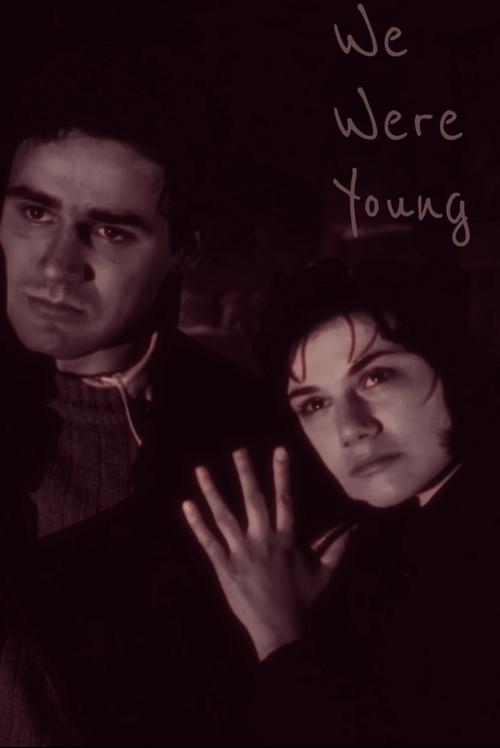
Romania, 1940. A boy meets a girl. They fall in love without suspecting anything about their real identities. They chose an eventful, tense and dangerous life as underground anti-fascists fighters. The significance of their activity is manifest in the consequences it has on the tormented progress of their love. Reality is against it. Two parallel lines which meet for a second, only to drift apart for ever.
1960

1957
1994
1963

2015
1964

1976
1961
No reviews yet. Be the first to share your thoughts on this movie!
Use the rating form above to leave a star rating and optional review.