
Brotherhood
2009
No user ratings available yet
Representation score: 5.9 out of 10
Representation Score
Fair
2007
Director
Matthias Vom Schemm
Runtime
19 minutes
Average Rating
No ratings yetNew Showbiz Analysis
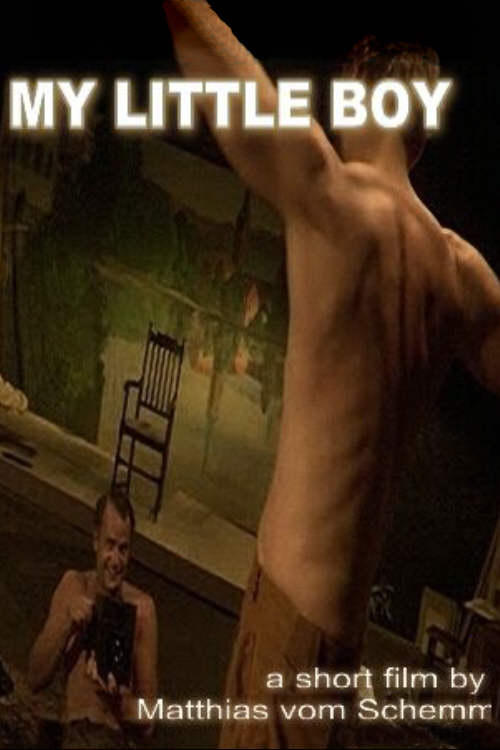
My Little Boy is a historical drama that explores underrepresented identities within a restrictive social framework. By centering a queer romance in 1934 Berlin, the film challenges the historical erasure of LGBTQ+ lives during the Third Reich. While the film effectively critiques oppressive state institutions and highlights queer ability to act, it remains narrow in its scope. The narrative focuses heavily on male dynamics and a homogeneous European setting, limiting broader representation of gender and race. Ultimately, the film provides a nuanced examination of private identity versus state-mandated conformity, using a specific historical moment to explore the tension between love and survival.
Category Breakdown
The film highlights a passionate, secret romance between two men in 1934 Berlin. This portrayal emphasizes the couple's ability to act despite systemic persecution, challenging historical erasure of LGBTQ+ relationships.
The story focuses primarily on masculine experiences and male interpersonal dynamics. While it showcases a soldier's emotional vulnerability, it offers limited subversion of traditional gender roles.
The cast appears to be predominantly European, with a focus on socio-political tensions rather than explicit racial or ethnic diversity.
The film critiques institutional power by depicting the Nazi regime as a corrupting force. It examines state-mandated morality through the lens of individual survival and subjective experience.
There is no explicit portrayal of physical or neurodivergent disabilities within the narrative.
Present on Screen
Limited or Absent
Official Synopsis
Berlin, 1934. Many men are forced to live their hidden homosexuality. Erich, a photographer, has an appointment in his photo studio with Wolfgang, a Nazi soldier, with whom he shares a loving, tumultuous, and passionate relationship. For both of them, this should not be a problem, but appearances deceive.
2009
1999

2011
2021
1957

1997
1997
2012
No reviews yet. Be the first to share your thoughts on this movie!
Use the rating form above to leave a star rating and optional review.