Cold Water
1994
No user ratings available yet
Representation score: 7.2 out of 10
Representation Score
Fair
1960
Director
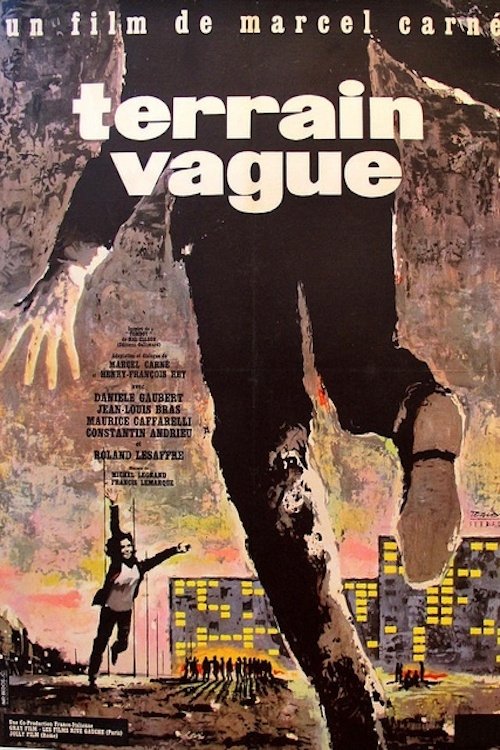
Marcel Carné
Runtime
100 minutes
Average Rating
No ratings yetNew Showbiz Analysis
Marcel Carné’s Wasteland offers a compelling look at underrepresented youth through a lens of poetic realism. The film excels at deconstructing traditional authority by presenting a communal, ritualistic world that exists outside mainstream societal structures. While the narrative provides a refreshing subversion of gender roles through Dan's character, it remains limited in its explicit exploration of multi-layered identities. The lack of clear racial or LGBTQ+ markers prevents a higher diversity rating. Ultimately, the film's strength lies in its cultural depiction of liberation and the creation of a subjective morality among those living on the fringes of society.
Category Breakdown
The film focuses on a romance between Dan and Lucky. Although Dan's tomboyish nature challenges traditional feminine stereotypes, there is no clear indication of queer identities.
Dan's character challenges traditional gender roles by presenting as tomboyish. Her actively leading actions and social order suggest a disruption of conventional gender power dynamics.
The Parisian housing estate setting suggests a diverse urban landscape. However, the narrative lacks specific details about non-white or non-Anglo-Saxon character representation.
The film showcases children creating an alternative social order, celebrating autonomy by bypassing traditional institutions such as the nuclear family and state authority.
There is no evidence within the narrative regarding the portrayal of physical, sensory, or neurodivergent disabilities.
Present on Screen
Limited or Absent
Official Synopsis
On the outskirts of Parisian council housing estates lies a vast wasteland that still retains its mysteries in this day and age, and serves as a refuge for people who, in their spare time, escape or are often ejected from their overcrowded dwellings. They form small, rather harmless bands, share their first secrets, build up their "treasures" and submit to strict rituals. The sanctity of their rebellions is underscored by initiation through blindfolded jumping and a blood test. An impossible love story is born between two members of the same clan, Dan, a beautiful, tomboyish girl, and Lucky, a sweet but feisty boy.
1994

1950
2019
1967
1970
1970
1964
1976
No reviews yet. Be the first to share your thoughts on this movie!
Use the rating form above to leave a star rating and optional review.