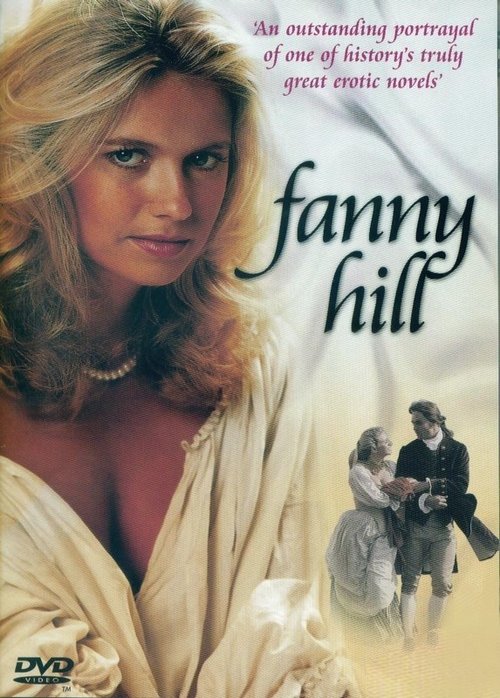
Fanny Hill
1995
No user ratings available yet
Diversity score: 4.1 out of 10
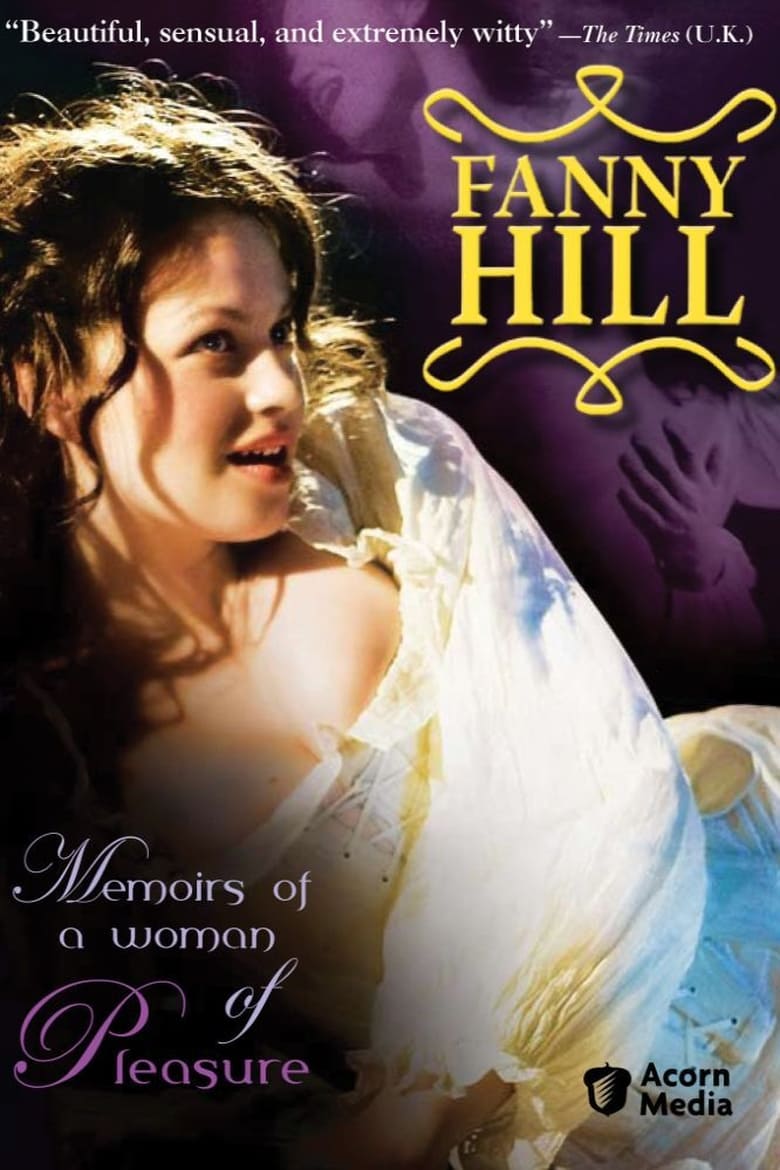
2007
Director
James Hawes
Runtime
120 minutes
Average Rating
No ratings yetSynopsis
Orphaned by smallpox, young Lancashire country lady Fanny Hill cheerfully accepts her friend Esther Davies's offer to join the London 'working girls' with Mrs. Brown, a madam who recruits her as charmingly fresh enough to wait, in-living, on gentlemen.
Overall Score
Fair
Category Breakdown
LGBTQ+ Representation
The story follows a traditional heteronormative path focused on the protagonist's sexual awakening. It does not center non-cisnormative identities or same-sex intimacy as primary plot drivers.
Gender Representation
Fanny Hill disrupts gender hierarchies by centering a woman's agency in a male-dominated world. She acts as a strategic player rather than a passive victim of patriarchal whims.
Racial & Ethnic Diversity
The ensemble is predominantly white and Anglo-Saxon, reflecting the historical setting of 18th-century England. The film does not feature a multi-ethnic landscape or race-bent casting.
Religious & Cultural Diversity
The film critiques rigid class hierarchies and the commodification of people. It frames the protagonist's lifestyle as a survival necessity, challenging traditional Western moral structures.
Disability Representation
Smallpox, which left the protagonist an orphan, serves as a catalyst for her displacement. The film uses this backstory as a socioeconomic driver rather than exploring nuanced lived experiences.
Strengths
Areas for Improvement
AI Analysis
Fanny Hill is a period drama that finds its strength in subverting gender tropes and critiquing class structures. By portraying the protagonist as a strategic actor navigating socioeconomic obstacles, the film moves beyond the typical submissive female lead found in historical dramas. However, the production remains limited by its historical setting, resulting in a lack of racial and LGBTQ+ diversity. The narrative adheres to a conventional heteronormative trajectory and a predominantly white ensemble, which limits its contemporary inclusivity. Ultimately, the film succeeds as a critique of systemic exploitation. It uses the protagonist's survivalist journey to challenge the morality of the aristocracy and the rigid social orders of the 18th century.
1995
1966

2001
2010

1983
1980

2022

1998

2017
1981

1979

2013
No reviews yet. Be the first to share your thoughts on this movie!
Use the rating form above to leave a star rating and optional review.