
La madre
2016
No user ratings available yet
Representation score: 8.0 out of 10
Representation Score
Excellent
1994
RDirector
Ken Loach
Runtime
101 minutes
Average Rating
No ratings yetNew Showbiz Analysis
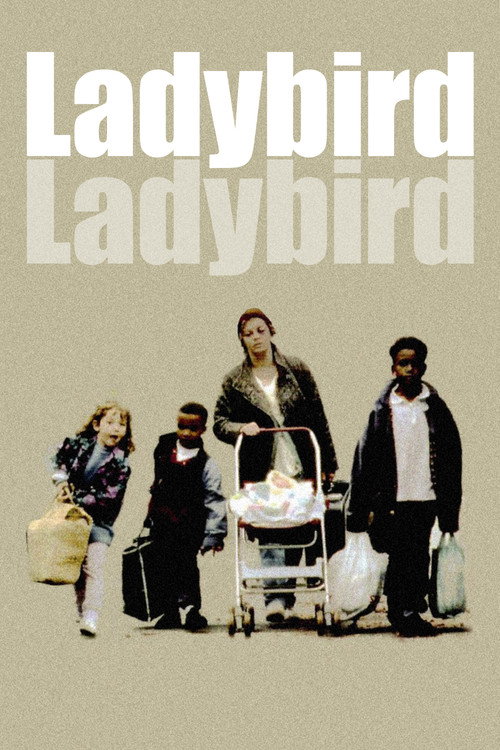
Ken Loach uses social realism to challenge the idea of individual meritocracy. By focusing on the failures of the welfare system, the film shifts the blame from individuals to institutions. This approach provides a critical look at how authority figures affect underrepresented families. The film effectively portrays the female perspective and integrates immigrant viewpoints. Maggie's fight for autonomy against a hostile bureaucracy offers a grounded, empathetic view of working-class life. The addition of a refugee character adds complexity to the social landscape. However, the film lacks representation for LGBTQ+ identities and specific disability narratives. While it addresses the mental toll of poverty, it remains focused on class-based issues rather than exploring neurodivergent or physical disability perspectives.
Category Breakdown
The film focuses on traditional heterosexual relationships and family structures, such as maternal bonds, without highlighting non-straight relationships.
The story centers around Maggie, who navigates survival and systemic scrutiny as a woman. Her experiences highlight the female perspective on these issues.
Jorge, a Latin American refugee, brings a new layer to the story by discussing migration and economic hardship. His presence highlights the challenges faced by immigrants.
The film critiques Western institutions and state bureaucracy, framing poverty as a result of systemic failures rather than personal shortcomings.
The film examines the emotional impact of economic instability but frames these struggles through a class-based lens rather than specific disability identities.
Present on Screen
Limited or Absent
Official Synopsis
Maggie has had four children, by four different fathers, removed by social services because of a previous violent relationship. When she meets Jorge, a gentle Latin American refugee, she gradually sees her chance for happiness, but her past still haunts her.
2016

2007

2004

1991
2003

1962
1999

2020
No reviews yet. Be the first to share your thoughts on this movie!
Use the rating form above to leave a star rating and optional review.