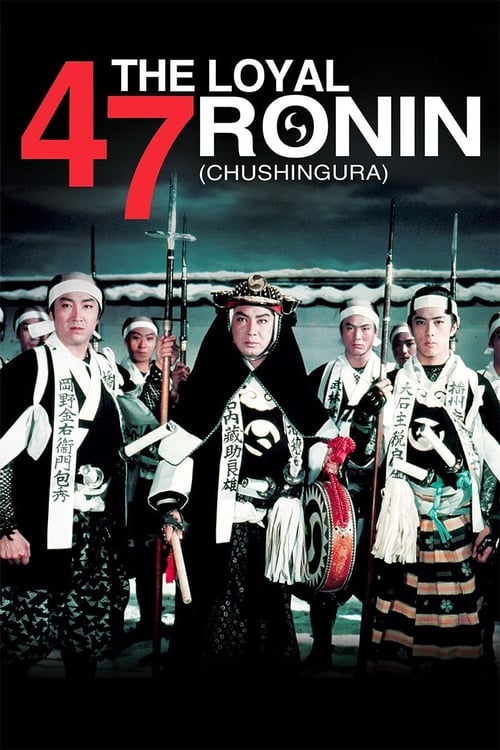
The Loyal 47 Ronin
1958
No user ratings available yet
Representation score: 1.4 out of 10
Representation Score
Limited
1964
Director
Tadashi Imai
Runtime
104 minutes
Average Rating
No ratings yetNew Showbiz Analysis
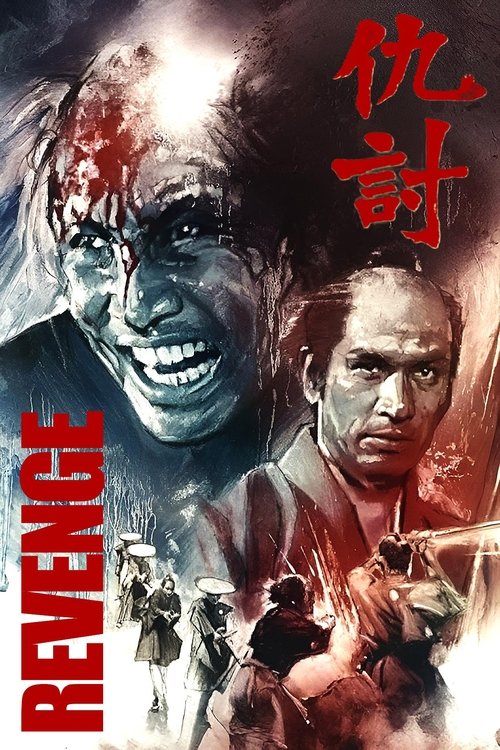
Revenge (1964) is a period drama that prioritizes historical authenticity and the rigid hierarchies of Edo-period Japan. The film examines the clash between individual ability to act and institutional power through classical genre clichés. While the film offers a critique of systemic corruption, it lacks modern characters who reflect more than one aspect of diversity. The narrative centers on traditional masculine archetypes and uses psychological instability as a tool for social control rather than exploring neurodivergence with depth. Ultimately, the film is a traditional tragedy. It explores the friction of feudal life but does not challenge the social or gender hierarchies of its setting.
Category Breakdown
The film does not include any LGBTQ+ characters or narratives. It portrays a society based on traditional Edo-period customs without any visible queer subtext.
Female characters primarily serve in domestic or relational roles within a male-dominated social order. The story emphasizes traditional masculine archetypes focused on honor and violence.
The cast is ethnically uniform, reflecting the historical Japanese setting. While this avoids whitewashing, it does not offer any multi-layered racial diversity.
The narrative critiques corrupt authority through the lens of feudal honor. It stays rooted in the era's cultural context rather than modern secular frameworks.
Mental instability is used as a plot device to delegitimize the protagonist. The portrayal leans toward the 'madman' cliché rather than nuanced neurodivergent ability to act.
Present on Screen
Limited or Absent
Official Synopsis
An innocuous comment during a weapon inspection wounds the pride of low-ranking samurai Shinpachi, leading to an argument with his superior. The situation snowballs out of control, leading to a deadly duel and political fallout which threatens the entire clan. Declared mentally unstable by the corrupt authority, Shinpachi begins his descent into true insanity…
1958
1966
1962
1980
1959
1967
1966
1967
No reviews yet. Be the first to share your thoughts on this movie!
Use the rating form above to leave a star rating and optional review.