
Rio, Northern Zone
1957
No user ratings available yet
Representation score: 3.9 out of 10
Representation Score
Fair
1974
GDirector
Daniel Mann
Runtime
97 minutes
Average Rating
No ratings yetNew Showbiz Analysis
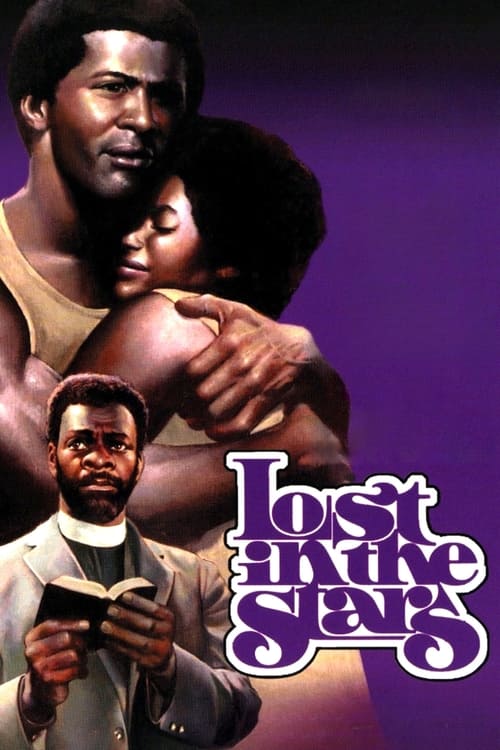
Lost in the Stars stands out for its time by featuring a Black protagonist in a narrative that directly addresses systemic social divisions. By focusing on a minister navigating the impoverished areas of Johannesburg, the film emphasizes the ability to act of characters of color, which was rare for 1970s Western cinema. However, the film adheres to conventional dramatic structures, exploring the emotional burdens of women and the realities of racial inequality without explicitly challenging Western institutions or providing diverse representations of gender and sexuality.
Category Breakdown
The film focuses on traditional romantic relationships and family dynamics. It does not include any representation of non-straight or non-cisgender identities, sticking to the assumption that everyone is straight and cisgender.
Female characters face significant emotional and domestic challenges. Their roles are heavily influenced by the patriarchal structure of society, limiting their ability to make independent decisions.
The story centers around a Black South African minister, highlighting the experiences of characters of color. It explores racial identity within a context of segregation and discrimination.
Religious beliefs serve as a backdrop to examine human suffering and community. The film critiques socioeconomic inequalities and systemic hardships through the lens of Johannesburg.
There is no significant depiction of physical or cognitive disabilities in this film.
Present on Screen
Limited or Absent
Official Synopsis
A black South African minister searches the unfamiliar back alleys and shantytowns of Johannesburg for his son.
1957
1998
1936
1994
1969
1981
1945

1989
No reviews yet. Be the first to share your thoughts on this movie!
Use the rating form above to leave a star rating and optional review.