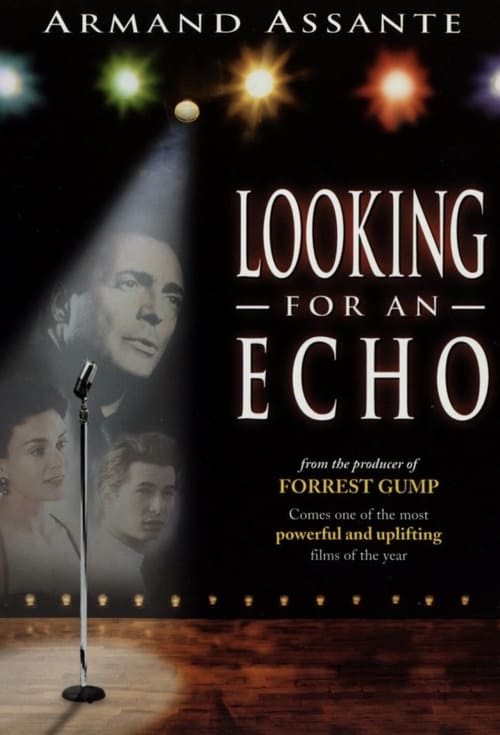
Looking for an Echo
2000
No user ratings available yet
Diversity score: 3.9 out of 10

1983
PGDirector
Martin Davidson
Runtime
95 minutes
Average Rating
No ratings yetSynopsis
A television newswoman picks up the story of a 1960s rock band whose long-lost leader — Eddie Wilson — may still be alive, while searching for the missing tapes of the band's never-released album.
Overall Score
Fair
Category Breakdown
LGBTQ+ Representation
The film adheres to traditional heteronormative structures. There is no discernible presence of queer subtext or non-cisnormative identities within the primary character arcs.
Gender Representation
The narrative operates within a masculine framework, prioritizing male camaraderie. Female characters largely function as secondary figures or catalysts for the male lead's journey.
Racial & Ethnic Diversity
The film provides progressive value by centering a Black protagonist in a mid-century rock genre. This choice grants high agency to a person of color.
Religious & Cultural Diversity
The story critiques the commercialization of art and the loss of soul in the music industry. However, it remains rooted in themes of nostalgia.
Disability Representation
There are no prominent depictions of physical or neurodivergent disabilities that serve as central plot drivers or character studies.
Strengths
Areas for Improvement
AI Analysis
Eddie and the Cruisers stands out for its progressive approach to racial agency, placing a Black musician at the center of a genre historically dominated by white narratives. This casting choice disrupts conventional expectations of the mid-century rock era. However, the film remains anchored in traditional social structures. It relies heavily on masculine archetypes and conventional romantic interests, offering little in the way of gender subversion or LGBTQ+ representation. While the film offers a thoughtful critique of the music industry's commercialization, it lacks broader systemic or intersectional depth, resulting in a score that reflects both its racial progressivity and its social conservatism.
2000
1974

1999
1991
1985

2015
1981

2007
1979
1978

1978

2013
No reviews yet. Be the first to share your thoughts on this movie!
Use the rating form above to leave a star rating and optional review.