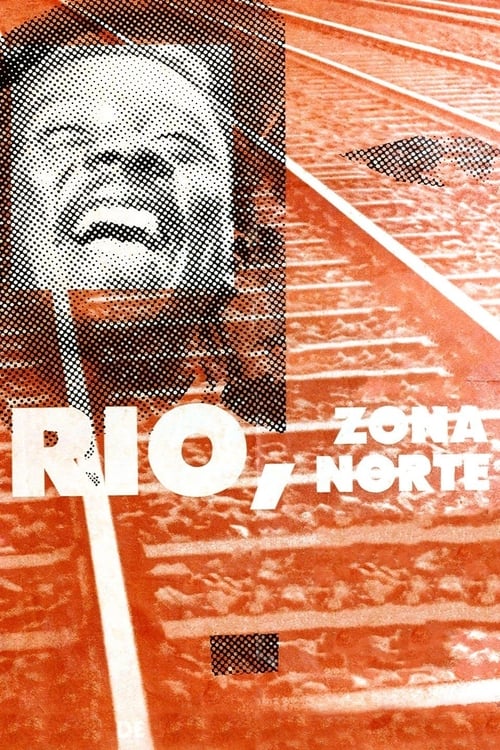
Rio, Northern Zone
1957
No user ratings available yet
Representation score: 3.9 out of 10
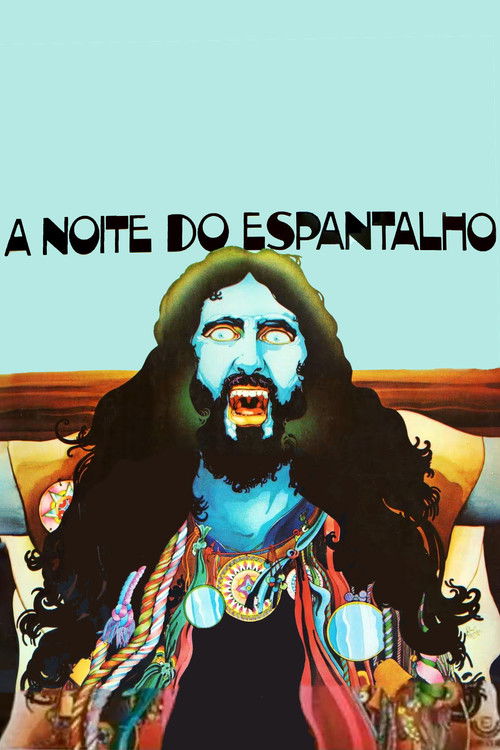
Representation Score
Good
1974
RDirector
Sérgio Ricardo
Runtime
92 minutes
Average Rating
No ratings yetNew Showbiz Analysis
Sérgio Ricardo’s background in Cinema Novo influences a narrative grounded in social realism and regional struggles. The film effectively uses the Northeastern Brazilian setting to explore systemic power imbalances and class hierarchies. While it strongly represents ethnic identities and critiques oppressive social structures, it lacks visible LGBTQ+ identities and disability portrayals. The focus remains on the socio-economic battle between underrepresented communities and land-owning elites.
Category Breakdown
The film focuses on socio-economic conflicts rather than identity-based LGBTQ+ narratives. There are no explicit LGBTQ+ characters or non-straight storylines.
Female characters may represent resilience against male-dominated land ownership. Their specific roles and influence are not clearly defined.
Set in Northeastern Brazil, the film highlights Afro-Brazilian and mixed-race identities. The fight for land rights showcases non-white characters challenging racialized class structures.
The story critiques feudalism and capitalist property ownership through a ruthless Land Baron. It emphasizes communal survival and social justice over individual wealth.
There is no evidence of characters with physical or cognitive disabilities in the narrative.
Present on Screen
Limited or Absent
Official Synopsis
In the miserable Northeastern Brazil, a ruthless land Baron wants to throw a poor farming community out of their land.
1957
1963

1984

1984

2014
1936
1946

2018
No reviews yet. Be the first to share your thoughts on this movie!
Use the rating form above to leave a star rating and optional review.