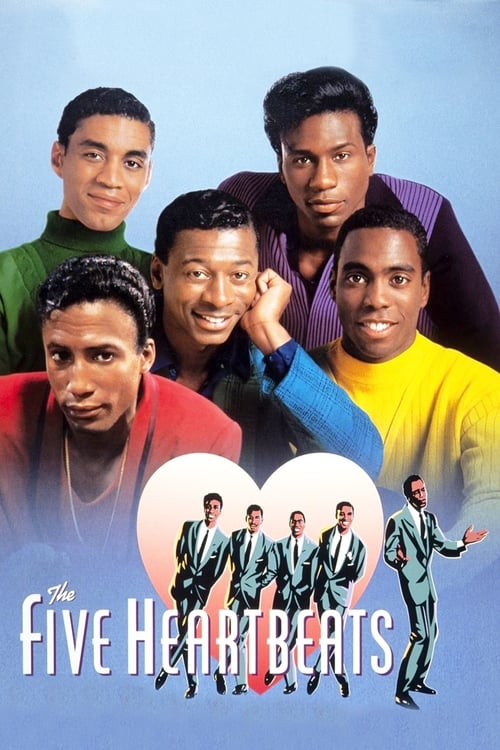
The Five Heartbeats
1991
No user ratings available yet
Diversity score: 4.8 out of 10
1976
PGDirector
Sam O'Steen
Runtime
98 minutes
Average Rating
No ratings yetSynopsis
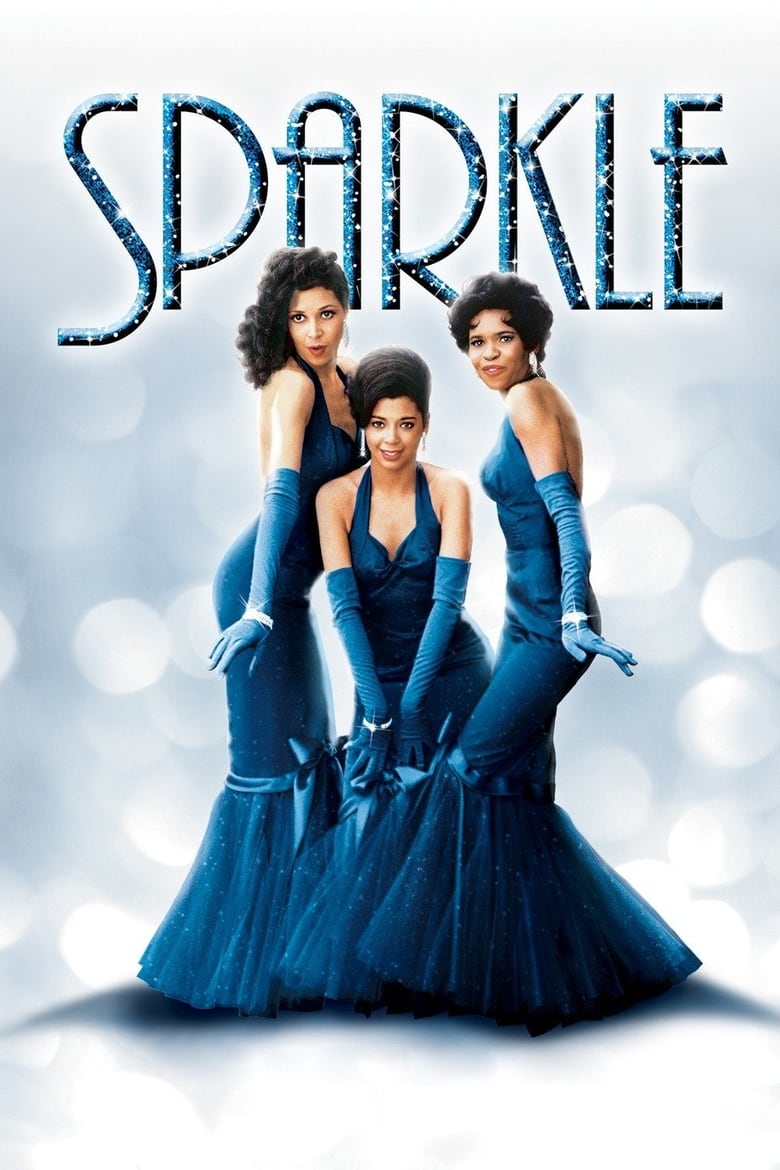
Three sisters start out singing in their church choir in Harlem in the late 1950s and become a successful girl group in the 1960s.
Overall Score
Fair
Category Breakdown
LGBTQ+ Representation
The film focuses on familial bonds and musical progression within a church choir. There is no evidence of queer themes or non-heteronormative identities.
Gender Representation
Three sisters drive the narrative, moving from religious singing to commercial success. This centering of female agency disrupts traditional patriarchal structures of the era.
Racial & Ethnic Diversity
The story centers a Black female ensemble in Harlem during a transformative period. It explores Black identity through the lens of musical and cultural evolution.
Religious & Cultural Diversity
The narrative explores the intersection of religious tradition and secular commercialism. It tracks the shift from communal church singing to individualistic professional success.
Disability Representation
There is no information regarding the inclusion of characters with physical, neurodivergent, or mental health conditions.
Strengths
Areas for Improvement
AI Analysis
Sparkle is a period drama that centers Black female agency within the historical context of Harlem. By following three sisters from a church choir to a successful 1960s girl group, the film provides a strong exploration of racial and gendered identity. The narrative successfully navigates the transition from religious communal spaces to the secular music industry. This movement offers a nuanced look at how cultural institutions shape individual expression. However, the film lacks representation for LGBTQ+ identities and provides no information regarding disability. The focus remains strictly on the musical and familial trajectories of the central Black ensemble.
1991
2007
1985
2021
1984

1989
1984
1959
1953
1956
1999
1945
No reviews yet. Be the first to share your thoughts on this movie!
Use the rating form above to leave a star rating and optional review.