Rio, Northern Zone
1957
No user ratings available yet
Diversity score: 6.5 out of 10

1981
RDirector
Luis Valdez
Runtime
103 minutes
Average Rating
No ratings yetSynopsis
Part fact and part fiction, Zoot Suit is the film version of Luis Valdez's critically acclaimed play, based on the actual Sleepy Lagoon murder case and the zoot suit riots of 1940s Los Angeles. Henry Reyna is the leader of a group of Mexican-Americans being sent to San Quentin without substantial evidence for the death of a man at Sleepy Lagoon. As part of the defense committee, Alice Bloomfield and George Shearer fight the blatant miscarriage of justice for the freedom of Henry and his friends.
Overall Score
Good
Category Breakdown
LGBTQ+ Representation
The film focuses on the socio-political struggles of the Chicano community and hyper-masculine gang culture. There are no documented non-cisnormative gender identities or same-sex romantic narratives present.
Gender Representation
The narrative centers on male camaraderie and the performance of masculinity within the Pachuco subculture. Female characters exist within the social fabric but do not drive the central legal conflict.
Racial & Ethnic Diversity
This film is an exceptional example of intersectional storytelling that centers the Chicano experience. It highlights the criminalization of specific cultural aesthetics to challenge dominant social narratives.
Religious & Cultural Diversity
The film critiques Western institutions, portraying the legal system as an instrument of oppression. It exposes the hypocrisy of a nation denying democracy to its minority citizens during wartime.
Disability Representation
There are no prominent depictions of visible or invisible disabilities that serve as central narrative drivers in this work.
Strengths
Areas for Improvement
AI Analysis
Luis Valdez’s film is a landmark of Chicano cinema that uses expressionistic theatricality to dismantle systemic marginalization. It succeeds by placing the Mexican-American experience at the heart of the plot, turning the Zoot Suit itself into a symbol of resistance against state-sanctioned profiling. However, the film operates within a narrow social lens. The focus on hyper-masculine subcultures results in a gender hierarchy where women remain peripheral to the primary political and legal struggles. Additionally, the narrative lacks any representation of LGBTQ+ identities. Ultimately, the film's strength lies in its profound critique of American institutions. While it lacks breadth in gender and sexual diversity, its commitment to racial agency and cultural authenticity makes it a vital piece of historical deconstruction.
1957
2007
1991
1985
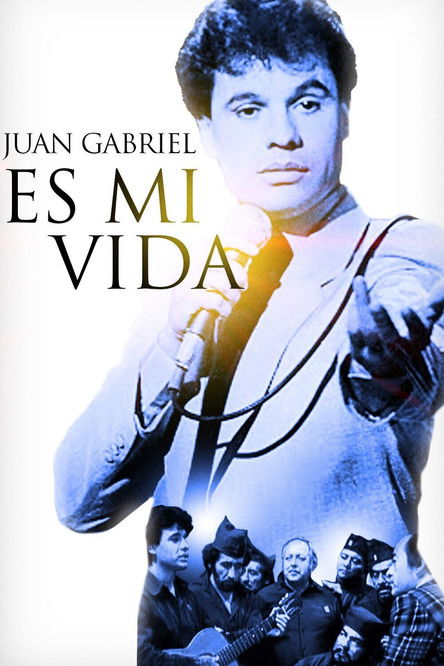
1982
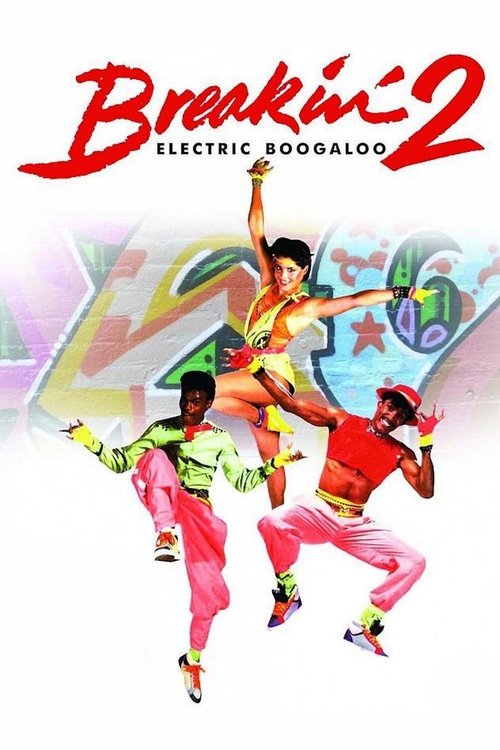
1984
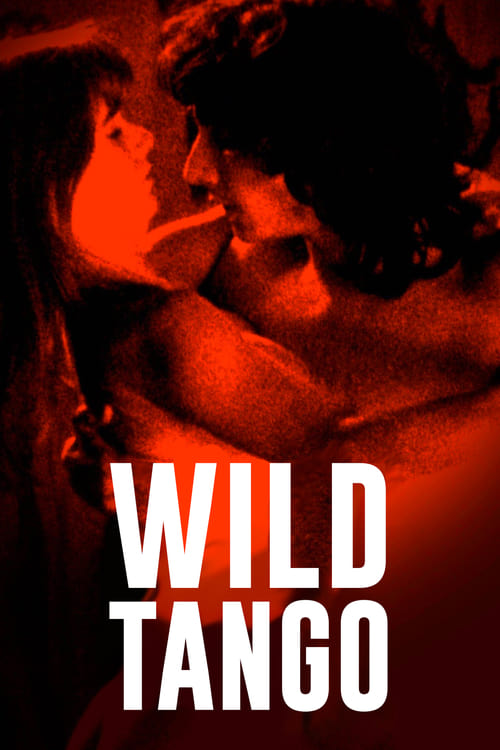
1993
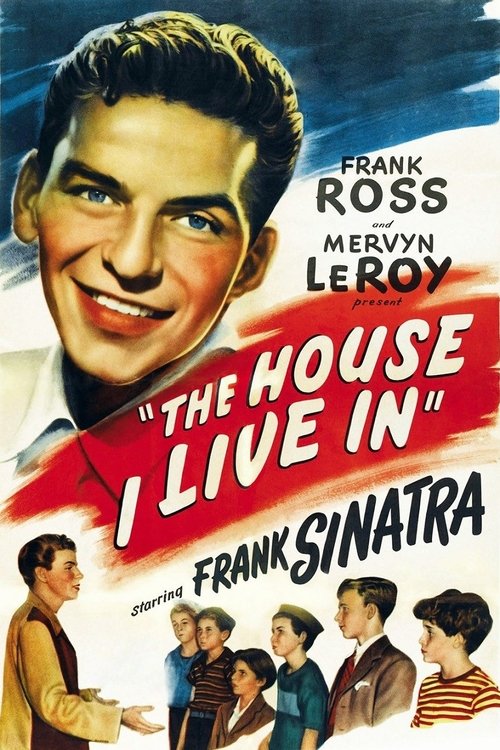
1945
1988
1959
1966
2015
No reviews yet. Be the first to share your thoughts on this movie!
Use the rating form above to leave a star rating and optional review.