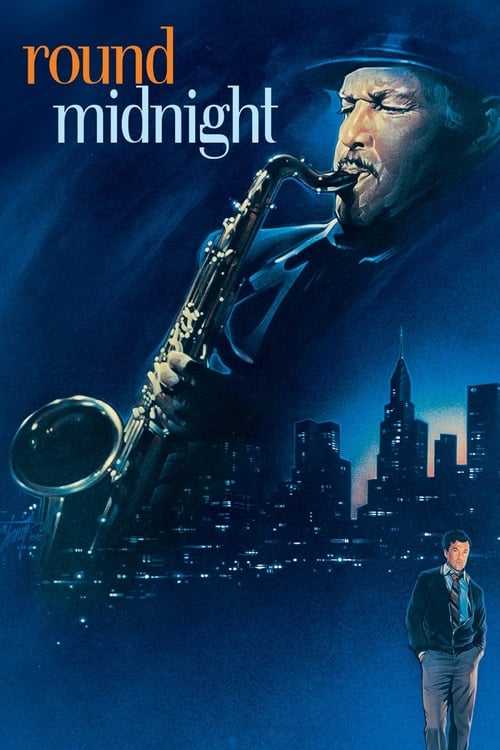
'Round Midnight
1986
No user ratings available yet
Representation score: 5.2 out of 10
Representation Score
Fair
1991
PGDirector
Rolf de Heer
Runtime
109 minutes
Average Rating
No ratings yetNew Showbiz Analysis
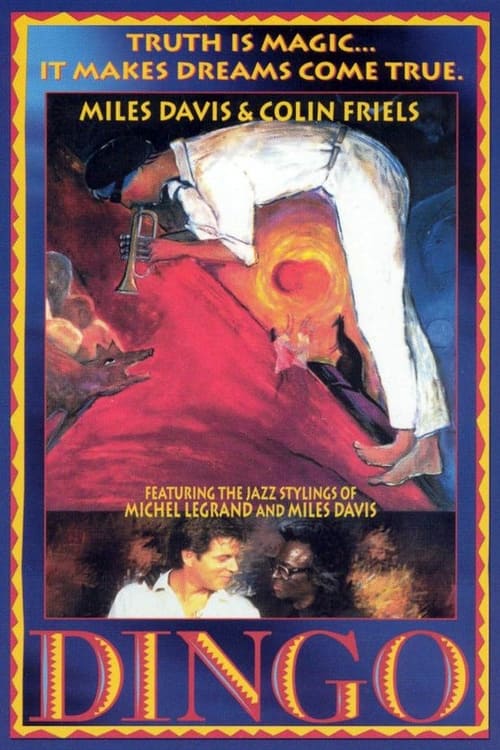
Dingo is a sophisticated drama that uses a post-colonial framework to challenge settler-colonial myths. Its primary strength lies in its complex treatment of racial and cultural dynamics, specifically through the tension between Indigenous identity and Western assimilation. However, the film lacks diversity in other key areas. The narrative is strictly straight-centered and offers no representation for LGBTQ+ or disabled characters, which limits its overall inclusivity score. Ultimately, the film succeeds as a critique of institutional power and social protocols, prioritizing ethical ambiguity over easy, harmonious resolutions.
Category Breakdown
The film focuses on a heterosexual family setting. There is no presence of LGBTQ+ identities or non-binary gender characters.
Elsa's character provides meaningful representation by emphasizing her emotional depth and psychological complexity. The narrative avoids clichés by placing the central moral conflict within the female experience.
The plot centers on an Aboriginal infant within a white settler household, disrupting racial homogeneity. It explores the tension between Indigenous existence and Western assimilation through a post-colonial lens.
The film critiques traditional Western social structures and legalistic frameworks. It questions whether Western institutional protection is inherently oppressive to Indigenous heritage and explores moral relativism.
There is no significant evidence regarding the portrayal of visible or invisible disabilities within the narrative.
Present on Screen
Limited or Absent
Official Synopsis
Young John Anderson is captivated by jazz musician Billy Cross when he performs on the remote airstrip of his Western Australian outback hometown after his plane is diverted. Years later, now a family man and making a meagre living tracking dingoes and playing trumpet in a local band, John still dreams of joining Billy on trumpet and makes a pilgrimage to Paris.
1986
1998
1956
1994
2005
1988
2015
1998
No reviews yet. Be the first to share your thoughts on this movie!
Use the rating form above to leave a star rating and optional review.