
Listen to My Song
1959
No user ratings available yet
Representation score: 0.8 out of 10
Representation Score
Limited
1983
Director
Yu Kan-Ping
Runtime
100 minutes
Average Rating
No ratings yetNew Showbiz Analysis
Yu Kan-Ping’s drama is a culturally significant work that excels in ethnic authenticity and historical context. It captures the unique nuances of the Taiwanese social landscape during a period of change. However, the film remains rooted in traditional narrative structures. It emphasizes the emotional resonance of the patriarchal bond and the tragedy of social mobility over the active subversion of modern social hierarchies. Ultimately, the film serves more as a piece of cultural preservation than a progressive disruption of gender or sexual norms.
Category Breakdown
The film follows the straight-centered social structures of its mid-century setting. There are no visible queer narratives or non-traditional gender identities in the plot.
The story focuses on paternal authority and the male experience of a veteran. While the female lead gains a significant role in show business, her journey is defined by her relationship to her father.
The film offers a highly authentic portrayal of the Taiwanese social environment. It emphasizes local identity and historical accuracy over globalized clichés.
The story examines the tension between traditional family values and commercialism. It leans towards a sentimental exploration of memory and loss rather than a critical examination of societal structures.
There is no prominent character with visible or invisible disabilities that drive the narrative or serve as central themes.
Present on Screen
Limited or Absent
Official Synopsis
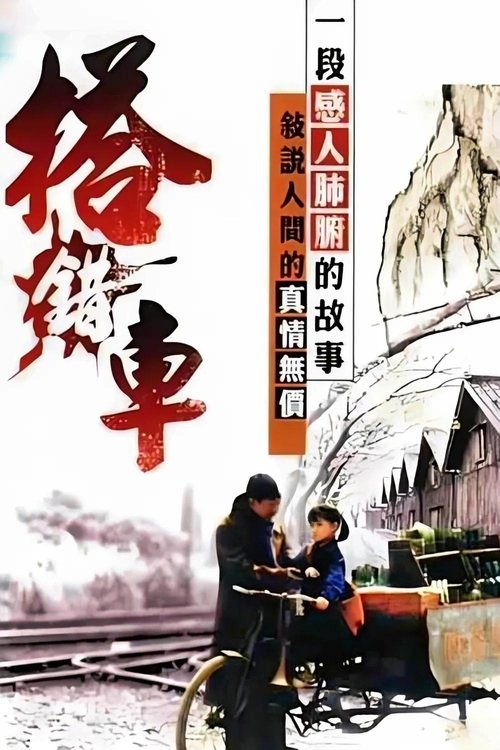
A poor army veteran in Taiwan adopts a daughter. She grows up and leaves him to enter show business. When she becomes famous she shuns her father and friends.
1959

2022
1968

1937

1982
1985

2013

2016
No reviews yet. Be the first to share your thoughts on this movie!
Use the rating form above to leave a star rating and optional review.