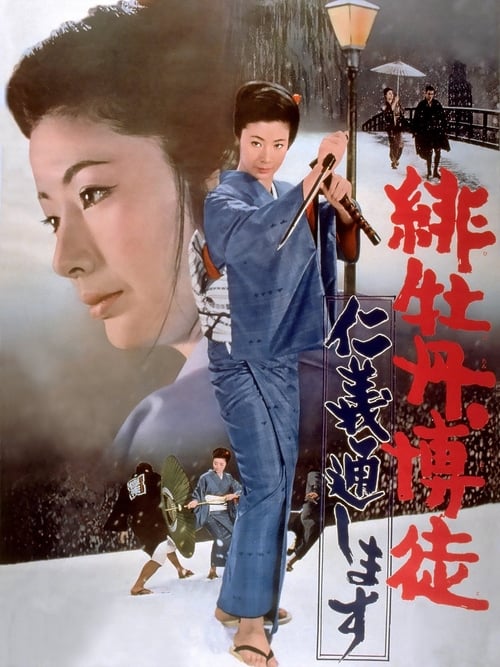
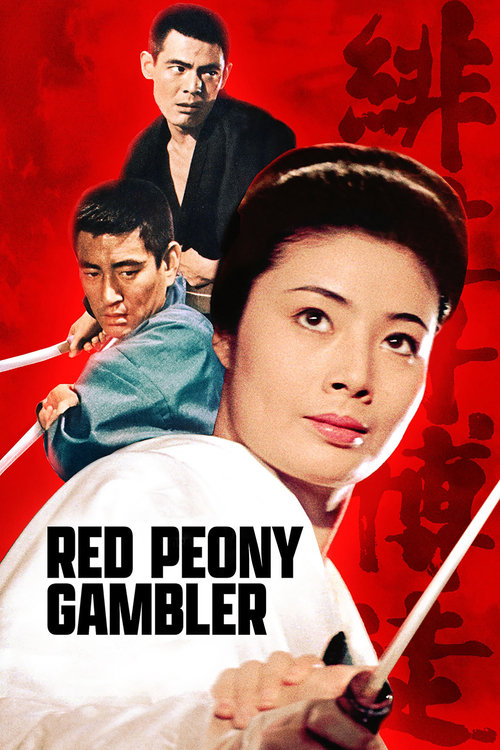
Red Peony Gambler: Execution of Duty
1972
No user ratings available yet
Representation score: 5.2 out of 10
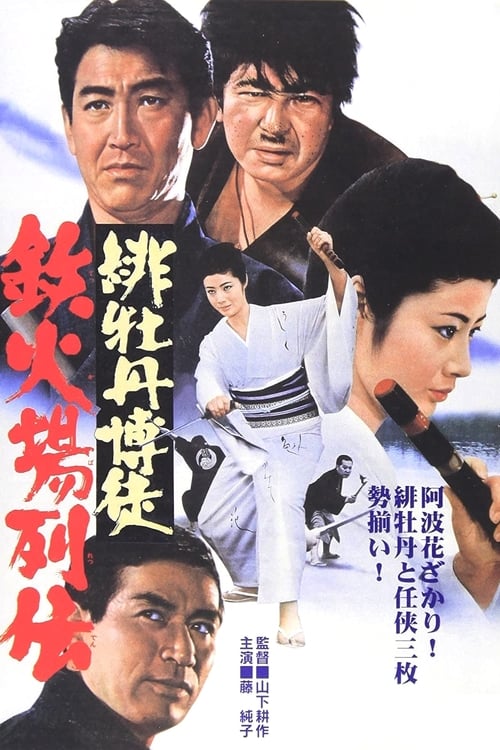
Representation Score
Fair
1969
Director
Kōsaku Yamashita
Runtime
110 minutes
Average Rating
No ratings yetNew Showbiz Analysis
Red Peony Gambler stands out for its subversion of traditional masculine roles by centering a powerful female protagonist. The film challenges conventional gender norms and provides a morally complex narrative. While it lacks LGBTQ+ or multi-ethnic representation, it offers a deep exploration of systemic corruption and personal identity within a culturally homogeneous context.
Category Breakdown
The film lacks explicit evidence of non-straight-centered identities or same-sex intimacy. The narrative focuses on the protagonist's personal journey and her connection to her late father.
The film centers a female yakuza, disrupting traditional gender hierarchies. Oryu demonstrates a significant role in driving the story, professional skills, and physical strength, avoiding the damsel-in-distress cliché.
Set in 1969 Japan, the film portrays a culturally homogeneous environment. While it avoids racial stereotypes, it does not include diverse ethnic backgrounds.
The story examines the tension between strict criminal hierarchies and organic community bonds. Oryu's journey from a criminal world to a communal village highlights her personal growth and societal conflicts.
The film does not significantly address physical or neurodivergent disabilities. A sickly follower is mentioned, but their role is not explored further.
Present on Screen
Limited or Absent
Official Synopsis
Oryu the Red Peony, a wandering female yakuza on a soul-searching journey after the death of her father. After collecting her sickly follower from jail, she is taken in by a fishing village. Feeling indebted to their generosity, she stays to work for the village and promises to leave her yakuza ways behind. When a dispute breaks out for the gambling rights to a local festival, the villagers are harassed by a gang of thugs. When the harassment turns violent, Oryu must decide wither to keep her promise or protect the villagers.
1972
1962
1970
1972
1968

1972

1965
1968
No reviews yet. Be the first to share your thoughts on this movie!
Use the rating form above to leave a star rating and optional review.