L'Oranais
2014
No user ratings available yet
Representation score: 3.3 out of 10
Representation Score
Fair
2012
Not RatedDirector
Yousry Nasrallah
Runtime
118 minutes
Average Rating
No ratings yetNew Showbiz Analysis
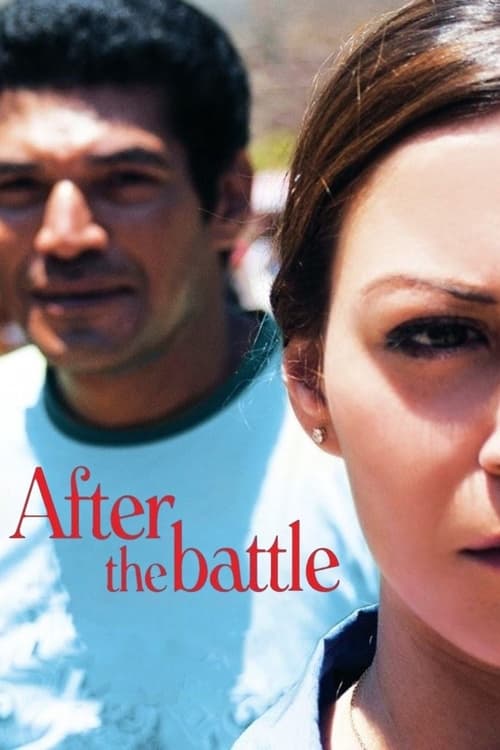
After the Battle is a sophisticated piece of social commentary that uses a historical backdrop to explore individual ability to act. The film excels by centering a female protagonist whose search for truth serves as a tool for both personal and political liberation. The strength of the work lies in its refusal to adopt Western-centric storytelling, instead offering a deeply localized Egyptian perspective. It effectively deconstructs conventional social hierarchies and examines the friction between modernity and tradition. However, the film remains within traditional social constraints and lacks representation for LGBTQ+ identities or characters with disabilities. While it is intellectually rigorous regarding gender and culture, these specific areas remain unaddressed.
Category Breakdown
The film operates within a traditional Egyptian social framework. There is no depiction of LGBTQ+ identities or same-sex relationships.
The story centers on a female protagonist who acts as a political activist and investigator. Her pursuit of autonomy challenges traditional hierarchies that often relegate women to passive roles.
The film offers an authentic Egyptian perspective that prioritizes indigenous narratives. It avoids Western-centric storytelling by centering regional ethnic and cultural specificity within a post-colonial context.
The narrative critiques traditional institutions and the authority of established social structures. It explores the tension between individual identity and collective religious or social norms.
There is no documented evidence of characters with visible or invisible disabilities serving as central plot devices or being subjected to mockery.
Present on Screen
Limited or Absent
Official Synopsis
Reem is a young political activist who works for an advertisement company. As she tries to uncover the truth behind the incide of the Battle of the Camel, she accompanies her friend Farah to Nazlet Al Seman where she meets and falls for Mahmoud, one of the people involved in the incident.
2014
2025
2021
2013
2015
2018
2009
2001
No reviews yet. Be the first to share your thoughts on this movie!
Use the rating form above to leave a star rating and optional review.