
Manikarnika: The Queen of Jhansi
2019
No user ratings available yet
Representation score: 5.9 out of 10
Representation Score
Fair
2017
PG-13Director
Kavi Raz
Runtime
120 minutes
Average Rating
No ratings yetNew Showbiz Analysis
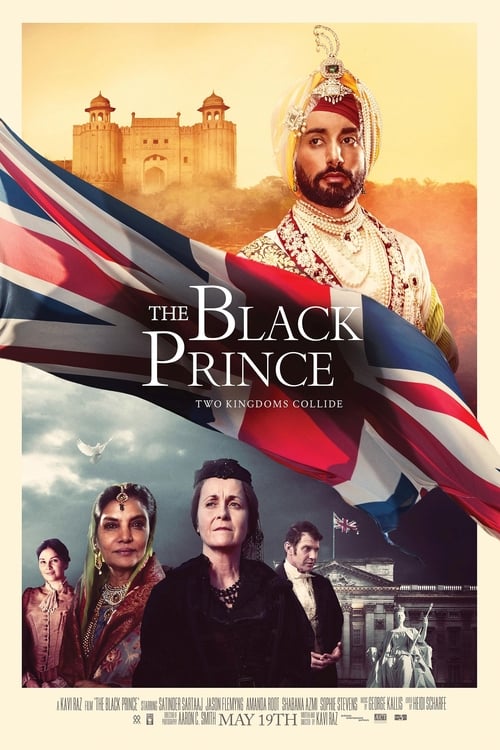
The film 'Black Prince' serves as a crucial piece of historical revisionism. By shifting the focus from British colonial expansion to the actions of the Sikh monarchy, it challenges Eurocentric storytelling. The film successfully reinterprets a period of history from the perspective of the colonized. While the film does not engage with LGBTQ+ or disability-centric narratives, it offers a strong critique of colonial structures and displacement.
Category Breakdown
The film focuses on historical lineage and political struggles. There are no prominent LGBTQ+ identities or perspectives present.
The narrative centers on masculine experiences of leadership and loss. Female characters play secondary roles to the central political arc.
The film excels by centering a Sikh protagonist and featuring a predominantly South Asian cast. It challenges the default whiteness in historical epics.
The film emphasizes the preservation of Sikh identity against Western influence. It portrays the British Empire as a disruptive force.
There are no prominent depictions of physical or neurodevelopmental disabilities that significantly impact the narrative.
Present on Screen
Limited or Absent
Official Synopsis
The Black Prince follows the story of the last Sikh Maharaja — the son of the powerful ruler Ranjit Singh — who was placed on the throne at the age of five, after the death of his father. In 1849, the young prince was removed from the throne and eventually sent off to England. His attempts to return to India and reclaim his kingdom were subsequently thwarted by the British.
2019
2008
1953

2017
2017
2019

2024
1997
No reviews yet. Be the first to share your thoughts on this movie!
Use the rating form above to leave a star rating and optional review.