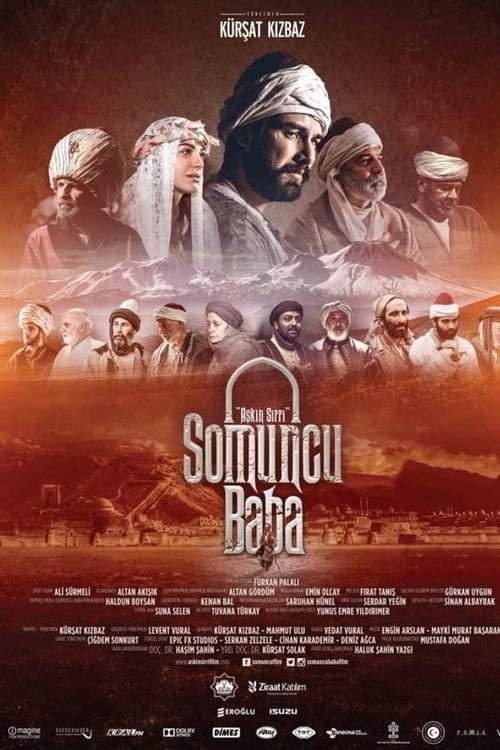
Somuncu Baba: Askin Sirri
2016
No user ratings available yet
Representation score: 2.2 out of 10
Representation Score
Fair
2014
Director
Kürsat Kizbaz
Runtime
0 minutes
Average Rating
No ratings yetNew Showbiz Analysis
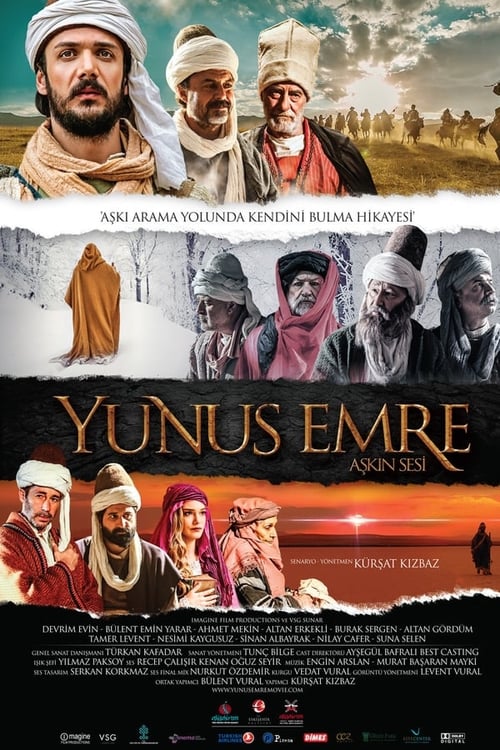
Yunus Emre: Aşkın Sesi stands out as a historically specific drama rooted in Anatolian culture that challenges Western-centric narratives. By highlighting Anatolian mysticism, it offers a unique non-Western perspective that diverges from typical Eurocentric historical films. However, the film adheres closely to traditional social structures. Gender dynamics follow a conventional patriarchal framework, where female characters often serve as emotional supports for the male protagonist’s spiritual journey. Overall, the film’s strength lies in its exploration of spiritual themes and its critique of material stability, despite limited contemporary diversity in gender and identity representation.
Category Breakdown
The film emphasizes a journey towards Divine Love that transcends physical orientation. However, it does not include explicit depictions of same-sex relationships or non-cisgender identities.
The story follows a traditional patriarchal arc with a male protagonist at the center. While Balım Kız plays a significant emotional role, her importance is tied to her relationship with the male lead.
The film highlights Anatolian heritage significantly. By focusing on a 13th-century Sufi mystic, it disrupts the Eurocentric dominance typically found in historical dramas.
The narrative explores spiritual pluralism and universal love. It prioritizes the wisdom of saints and Divine Love over strict institutional rules or state authority.
No disabilities, visible or invisible, are central to the character arcs or plot mechanics.
Present on Screen
Limited or Absent
Official Synopsis
We follow the story of Yunus, who lives in one of the Anatolian villages ravaged by war and violence, and his transformation into Yunus Emre, a figure of global significance whose thoughts and poems blend love and passion. His great regret at choosing to console himself with wheat will drive him to seek answers. This quest will be so profound that he will set out on the road, bidding farewell to everyone he loves, especially his beloved Balım Kız. On his journey to attain the greatest love of all, Divine Love, he will seek guidance from all the saints of Anatolia, unaware that what he seeks is already within him.
2016
2010
2012

2010
2003
2021
2014
2014
No reviews yet. Be the first to share your thoughts on this movie!
Use the rating form above to leave a star rating and optional review.