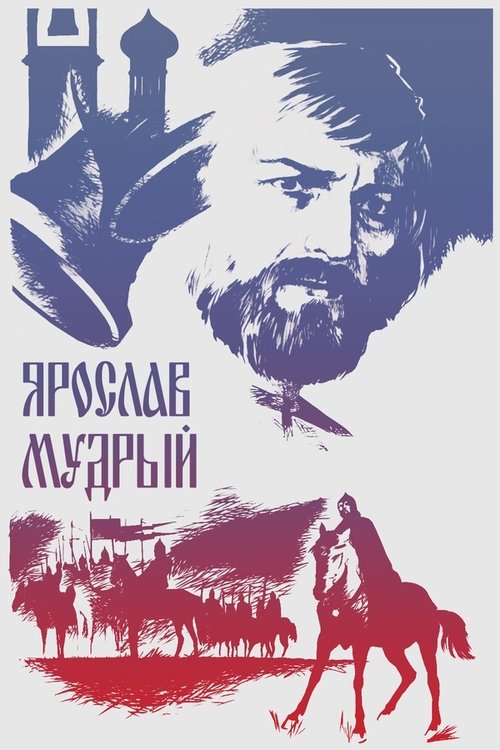
Yaroslav the Wise
1982
No user ratings available yet
Representation score: 2.4 out of 10
Representation Score
Good
1984
Director
Yurii Illienko
Runtime
135 minutes
Average Rating
No ratings yetNew Showbiz Analysis
The film's primary strength lies in its portrayal of women's ability to drive the story. By centering a woman as a central political authority in a medieval setting, it disrupts common stereotypes of passive women. The narrative successfully transitions from personal tragedy to significant statecraft. While the film adheres to the historical constraints of the 11th century, it offers a nuanced look at leadership. However, it remains rooted in traditional historical structures and lacks representation of LGBTQ+ identities and disability.
Category Breakdown
The film focuses on the heterosexual marriage between Olga and Prince Ihor. There are no representations of non-straight or non-cisgender identities or stories involving LGBTQ+ individuals.
Olga challenges traditional hierarchies by taking the throne after her husband's death. She transforms from a common girl into a powerful political leader, showing significant influence and control over her destiny.
The story centers on Eastern European identity during the Kyivan Rus' period. It provides a regional perspective that moves away from Western-centric historical narratives.
The narrative explores the tension between indigenous folk legends and the introduction of Christianity. It highlights the intersection of local spirituality and the region's integration into Europe.
There is no information regarding the portrayal of physical or neurodivergent disabilities in this film.
Present on Screen
Limited or Absent
Official Synopsis
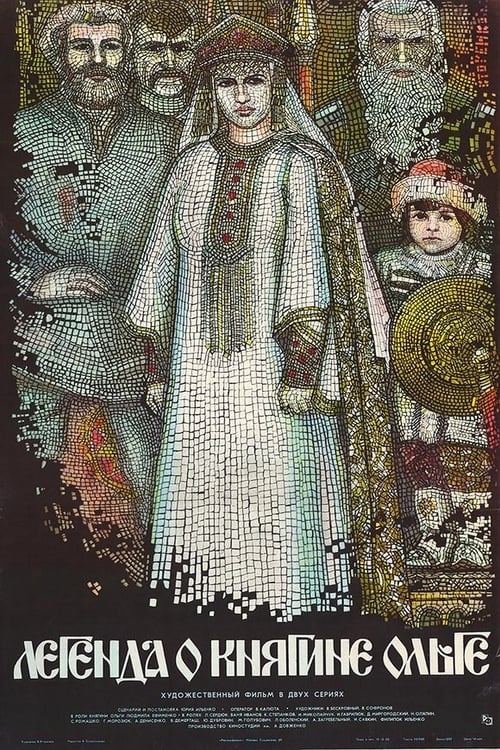
The film is a poetic adaptation of a series of stories (oral and written) about Princess Olha of Kyivan Rus' (Ukraine-Rusʹ) at the start of the 11th century. Inspired by chronicles and folk legends this is a story of a common girl Olha who married Prince Ihor and became his successor on the throne after his murder and one of the most remarkable political leaders in early medieval European history. She converted to Christianity and brought her realm into Europe.
1982
2019
2012
2007
1986
1999

1981
2007
No reviews yet. Be the first to share your thoughts on this movie!
Use the rating form above to leave a star rating and optional review.