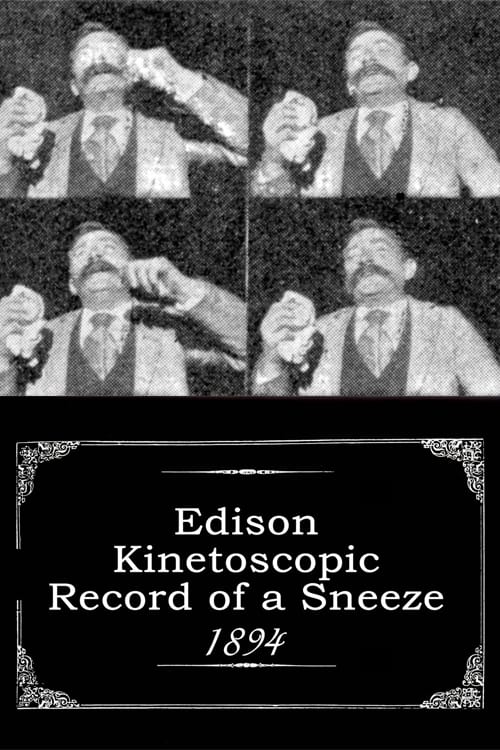
Edison Kinetoscopic Record of a Sneeze
1894
No user ratings available yet
Representation score: 0.0 out of 10

Representation Score
Minimal
1890
Not RatedDirector
William Heise, William K.L. Dickson
Runtime
1 minutes
Average Rating
No ratings yetNew Showbiz Analysis
As a foundational technical prototype for the Kinetoscope, this film serves as a historical artifact rather than a narrative work. It was designed to test motion capture rather than convey social meaning or character depth. Since the film is a brief, non-narrative documentary fragment, it lacks the structural complexity needed for representational analysis. There is no intentionality regarding identity, social commentary, or systemic power dynamics. Ultimately, the work exists outside the realm of social representation, serving instead as a baseline for the development of motion picture technology.
Category Breakdown
The film includes a single figure performing motions for motion capture. There is no indication of romantic subtext or queer narratives.
A blurry figure is visible, but the image lacks detail. There are no depictions of gender roles or leadership.
The film features a single subject in a controlled environment. It does not address racial or ethnic themes or diverse casting.
As a technical experiment, the film does not engage with religious or cultural themes. It lacks a framework for discussing cultural or ideological issues.
There is no evidence of neurodivergence or physical disabilities being portrayed. The subject's movements appear to be intentional technical gestures.
Present on Screen
Limited or Absent
Official Synopsis
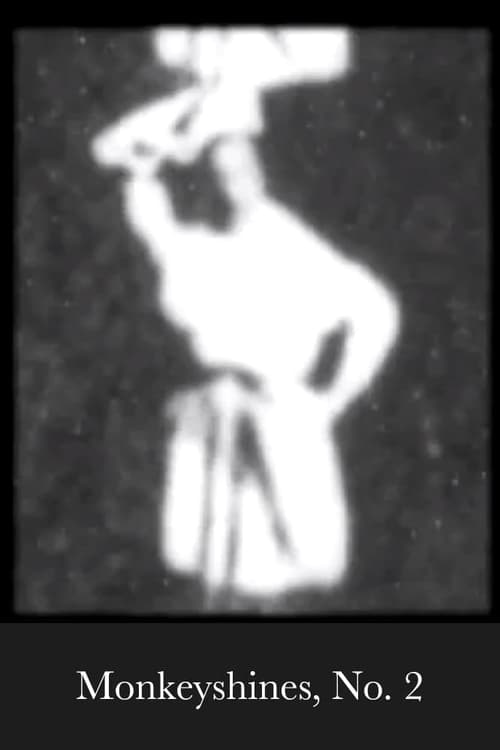
Experimental film made to test the original cylinder format of the Kinetoscope and believed to be the first film shot in the United States. It shows a blurry figure in white standing in one place making large gestures and is only a few seconds long.
1894
1890
1892
1891

1891

1888
1891
1894
No reviews yet. Be the first to share your thoughts on this movie!
Use the rating form above to leave a star rating and optional review.