Monkeyshines, No. 1
1890
No user ratings available yet
Diversity score: 0.0 out of 10
1894
Runtime
1 minutes
Average Rating
No ratings yetSynopsis
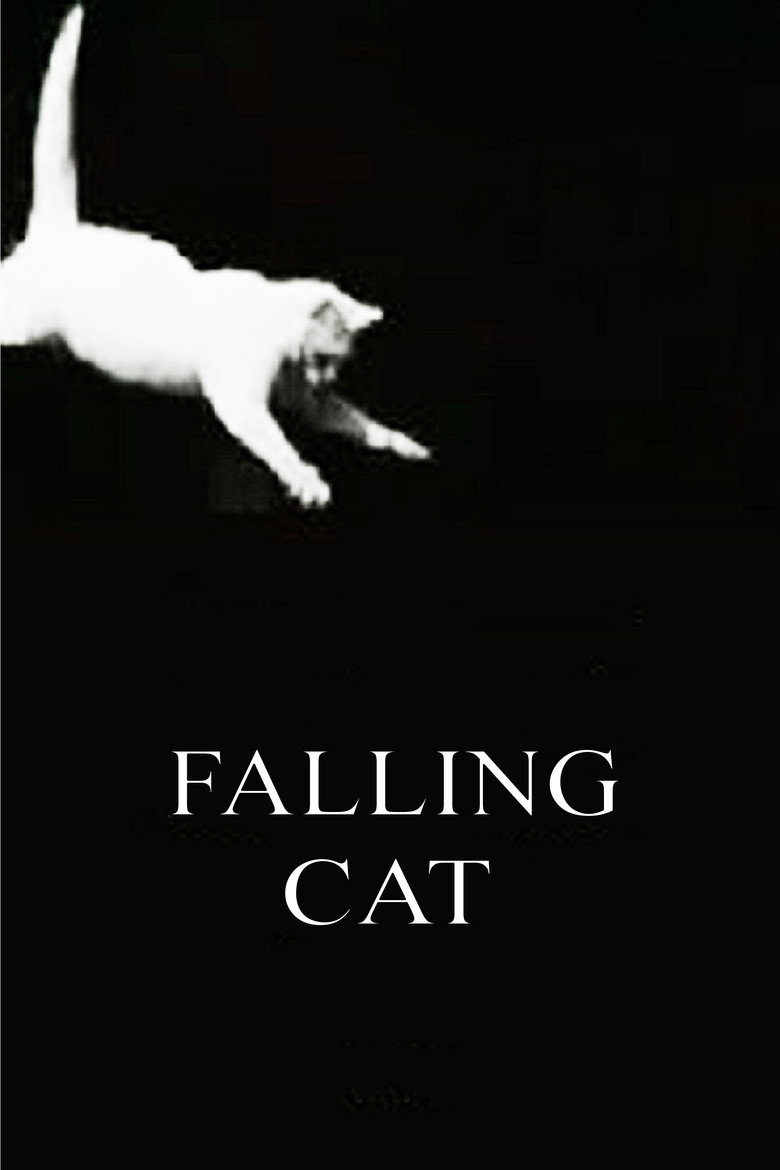
Directed by Étienne-Jules Marey, a French scientist, this is believed to be the first cat ever filmed in cinematic history. Jules Marey created the chronophotographic gun in 1882, a device which looked like a short barrelled shotgun with a magazine on top. It was capable of taking twelve consecutive frames a second. He used this to study various animals, the most famous study in what was called Marey’s ‘animated zoo’, was the one involving a cat which was dropped from a height of a few feet in order to see if it always landed on its feet.
Overall Score
Minimal
Category Breakdown
LGBTQ+ Representation
The footage contains no human characters or interpersonal relationships. There is no depiction of gender identity or orientation, as the subject matter is purely zoological.
Gender Representation
The film lacks human subjects, precluding any analysis of gendered agency or hierarchy. The focus remains entirely on the mechanics of animal movement.
Racial & Ethnic Diversity
As a scientific study of a non-human subject, the work does not feature a human cast. It does not address ethnic or racial identity.
Religious & Cultural Diversity
The film operates within the realm of empirical science and physiological research. It does not engage with religious, political, or socio-economic institutions.
Disability Representation
While the film studies biological function, it does not depict neurodivergence or human disability. It does not utilize disability as a narrative device.
Strengths
Areas for Improvement
AI Analysis
Falling Cat is a foundational scientific artifact rather than a narrative film. It functions as a technical observation of biological locomotion and gravitational mechanics using a chronophotographic gun. Because the work lacks a human cast, dialogue, or narrative arc, it does not engage with social hierarchies or identity politics. The focus is strictly on the physiological response of a feline subject. Ultimately, the film exists outside the parameters of social representation. It serves as a purely empirical document of early cinematic technology and motion studies.
1890
1940
1894
1941
1905
1888
1970
1930
1897
2020
1897
1904
No reviews yet. Be the first to share your thoughts on this movie!
Use the rating form above to leave a star rating and optional review.