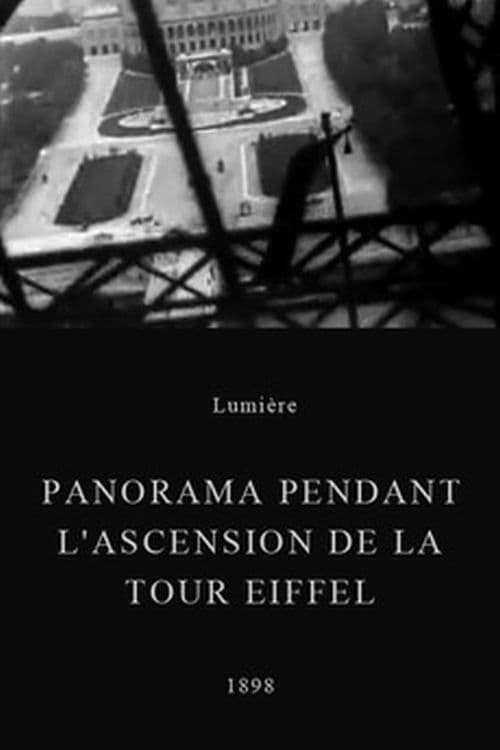
Panorama during the Ascent of the Eiffel Tower
1898
No user ratings available yet
Diversity score: 0.3 out of 10

1897
Director
Louis Lumière
Runtime
1 minutes
Average Rating
No ratings yetSynopsis
[…] by shooting the fish in a globular bowl, the Lumières effectively use a fisheye lens, which offers distortions. The history of cinema has witnessed a struggle between the objective and subjective camera and the optically distorting lenses like the fisheye lens has been a powerful tool for the subjective camera. Here it is at the start.
Overall Score
Minimal
Category Breakdown
LGBTQ+ Representation
The film is a non-narrative study of aquatic life. Because there are no human subjects, there is no depiction of sexual orientation or queer dynamics.
Gender Representation
The subject matter is strictly biological and non-human. The film does not engage with or subvert traditional gender hierarchies or social roles.
Racial & Ethnic Diversity
This ethnographic snippet focuses entirely on goldfish within a globular bowl. There are no human actors or racial identifiers present to analyze.
Religious & Cultural Diversity
The work functions as a technical demonstration of optical distortion. It does not engage with religious, political, or socioeconomic institutions.
Disability Representation
There are no human characters depicted in this piece. Consequently, no representation of neurodivergence or physical disability is present.
Strengths
Areas for Improvement
AI Analysis
Louis Lumière’s work is a foundational technical achievement in early cinema, focusing on the 'actualité' style. By utilizing a fisheye lens to capture goldfish in a globular bowl, the film explores the potential of the subjective camera through optical distortion. Because the film is a purely observational study of non-human subjects, it lacks any framework for social identity. There are no human characters to provide a basis for analyzing gender, race, or orientation. Ultimately, the film exists as a technical milestone rather than a narrative or social commentary. Its value lies in its contribution to cinematic history and visual storytelling techniques.
1898
1896

1896
1895

1896
1899
1896

1899
1895
1895

1895
1896
No reviews yet. Be the first to share your thoughts on this movie!
Use the rating form above to leave a star rating and optional review.