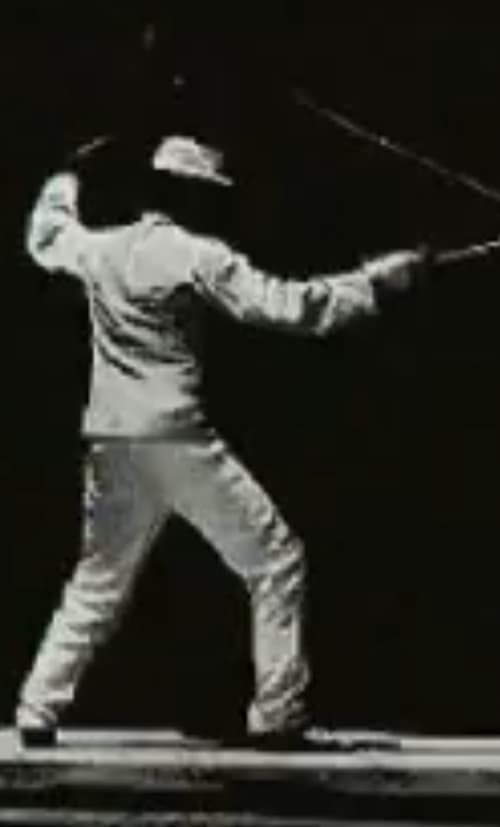
Two Fencers
1891
No user ratings available yet
Representation score: 0.2 out of 10
Representation Score
Minimal
1892
Director
William Heise, William K.L. Dickson
Runtime
1 minutes
Average Rating
No ratings yetNew Showbiz Analysis
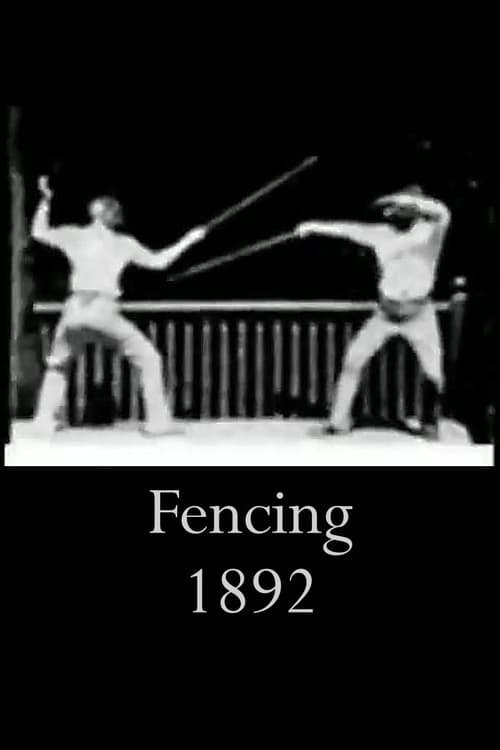
As a foundational piece of early cinema, *Fencing* functions as a technical recording of movement rather than a narrative work. Its lack of diversity is a reflection of its era, focusing on the mechanical capture of reality rather than intentional social commentary. The film presents a narrow, homogeneous view of late 19th-century social structures through a purely athletic lens. It does not engage with multi-layered identities or diverse cultural perspectives. Ultimately, the work serves as a historical snapshot of a specific demographic, offering no engagement with multi-layered identities or varied cultural perspectives.
Category Breakdown
The film does not include any same-sex relationships or characters who do not identify with the gender they were assigned at birth. It focuses solely on two men participating in a sports activity.
The work emphasizes traditional male-dominated athletic spaces, with no female characters present to challenge masculine stereotypes.
The participants appear to be white males, reflecting the demographic uniformity of the time. The film lacks diversity in its casting, showing no racial or ethnic variety.
This is a neutral, observational document that avoids religious or political themes. It does not engage with broader societal critiques or specific moralities.
The footage features able-bodied individuals engaged in physical sports. No visible or invisible disabilities are portrayed or used as narrative devices.
Present on Screen
Limited or Absent
Official Synopsis
Early Edison short showing two men fencing.
1891
1892
1891
1894
1897
1895
1894
1896
No reviews yet. Be the first to share your thoughts on this movie!
Use the rating form above to leave a star rating and optional review.