
Panorama de l'arrivée en gare de Perrache pris du train
1896
No user ratings available yet
Representation score: 0.6 out of 10
Representation Score
Minimal
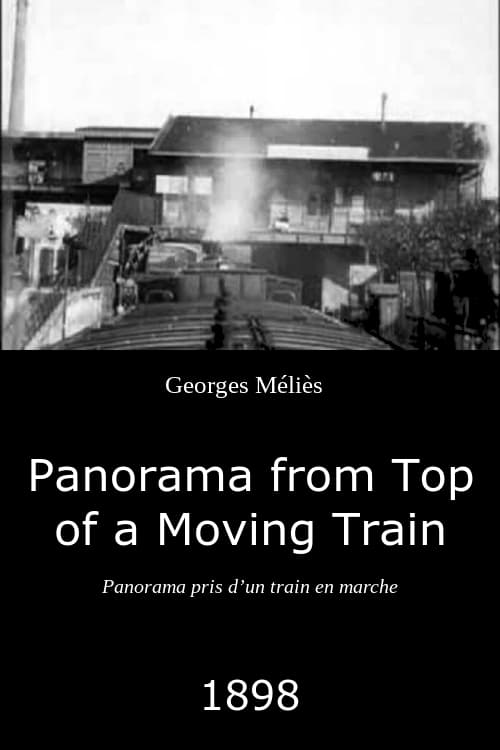
1898
Not RatedDirector
Georges Méliès
Runtime
1 minutes
Average Rating
No ratings yetNew Showbiz Analysis
This early documentary short serves as a technical demonstration of the moving camera rather than a platform for social commentary. It captures a single, continuous panoramic shot of a French urban landscape from the late 19th century. Since the film’s purpose is purely observational and lacks a cast or narrative arc, it does not engage with sociological vectors of representation. Instead, it functions as a historical artifact of early cinema.
Category Breakdown
The film focuses on landscapes and does not include any human characters or dialogue. Therefore, there are no representations of LGBTQ+ identities or stories.
The visuals show only buildings and land. There are no scenes depicting gender roles or hierarchies.
The footage captures a specific French urban setting from the late 19th century. There is no evidence of racial diversity or ethnic representation since there are no human subjects shown.
The film does not address any religious or cultural themes. It remains neutral and does not engage with political or institutional structures.
There are no human subjects in the film. Therefore, it does not depict any neurodivergence or physical disabilities.
Present on Screen
Limited or Absent
Official Synopsis
With the cameraman atop a moving train car the viewer is given a one minute glimpse of a French urban area.
1896
1896
1896
1898
1898
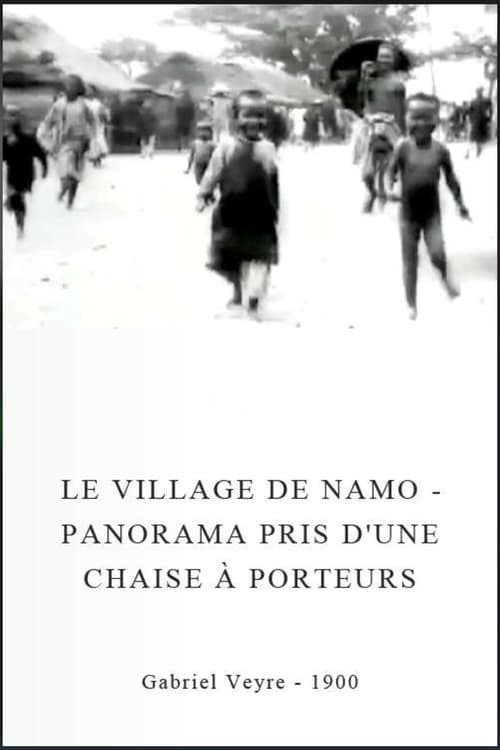
1900
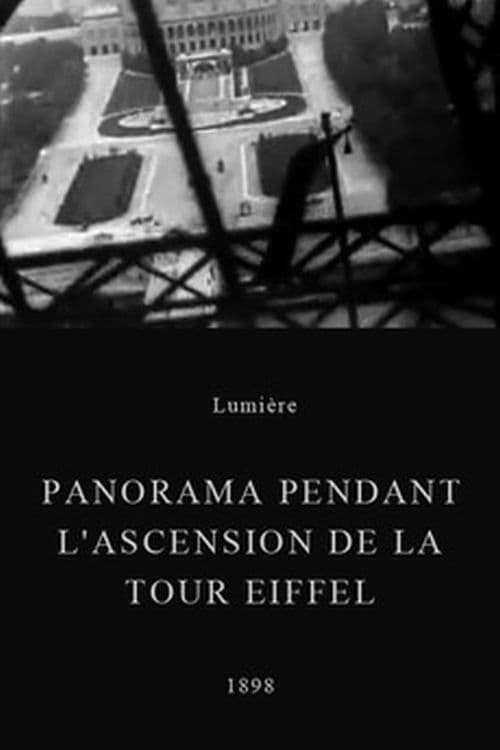
1898
1896
No reviews yet. Be the first to share your thoughts on this movie!
Use the rating form above to leave a star rating and optional review.