A Hand Shake
1892
No user ratings available yet
Diversity score: 0.9 out of 10
1895
Director
William Heise, William K.L. Dickson
Runtime
1 minutes
Average Rating
No ratings yetSynopsis
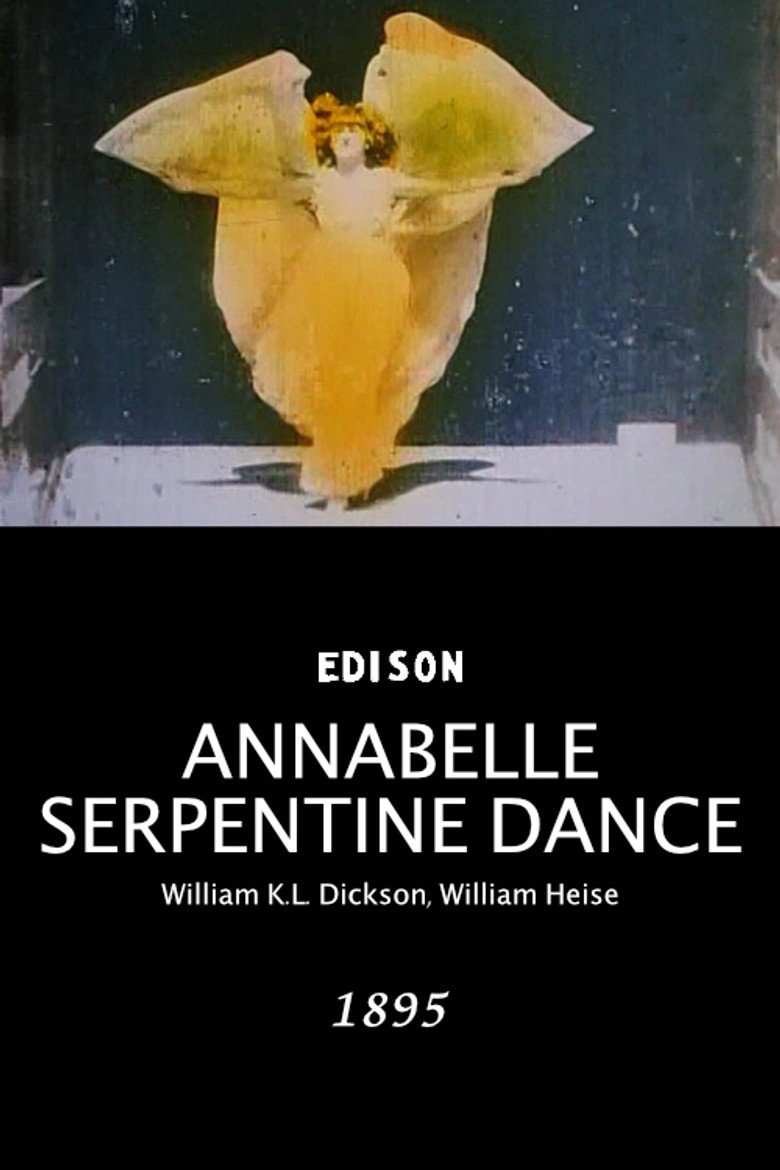
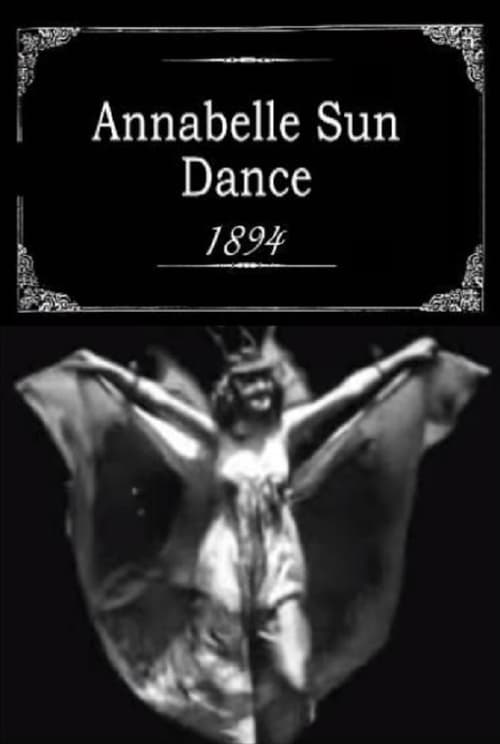
In a long, diaphanous skirt, held out by her hands with arms extended, Broadway dancer Annabelle Moore performs. Her dance emphasizes the movement of the flowing cloth. She moves to her right and left across an unadorned stage. Many of the prints were distributed in hand-tinted color.
Overall Score
Minimal
Category Breakdown
LGBTQ+ Representation
The film is a brief, non-narrative performance piece. It lacks LGBTQ+ characters or narratives addressing non-cisnormative identities.
Gender Representation
Annabelle Moore is the central figure, showcasing professional skill and physical agency. However, the presentation aligns with 1895 aesthetic standards of femininity.
Racial & Ethnic Diversity
The subject is a Broadway dancer, and the visual evidence shows no diverse or non-Anglo-Saxon casting. It reflects the homogeneous demographics of the era.
Religious & Cultural Diversity
This work serves as a document of early Western entertainment culture. It functions as a standard exhibition of talent within established commercial frameworks.
Disability Representation
There is no evidence of characters with visible or invisible disabilities in this performance.
Strengths
Areas for Improvement
AI Analysis
Produced during the early kinetoscope era, this film focuses on the technical capture of movement rather than social commentary. It serves as a historical artifact of early Western performance art rather than a narrative work. The film lacks the complexity required to engage with modern intersectional frameworks. Its primary objective was the documentation of motion, resulting in a narrow demographic focus. While it highlights a female performer's mastery, the work remains rooted in the homogeneous social norms of the late 19th-century American stage.
1892
1891
1890
1897

1894
1894

1895

1897
1920
1922

1888
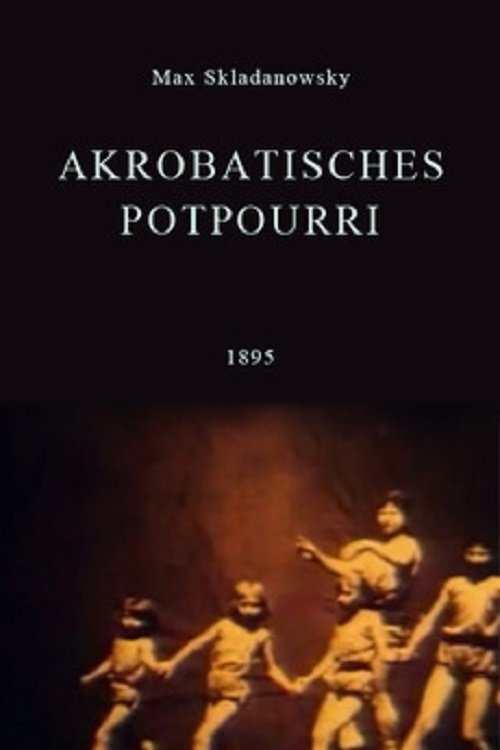
1895
No reviews yet. Be the first to share your thoughts on this movie!
Use the rating form above to leave a star rating and optional review.