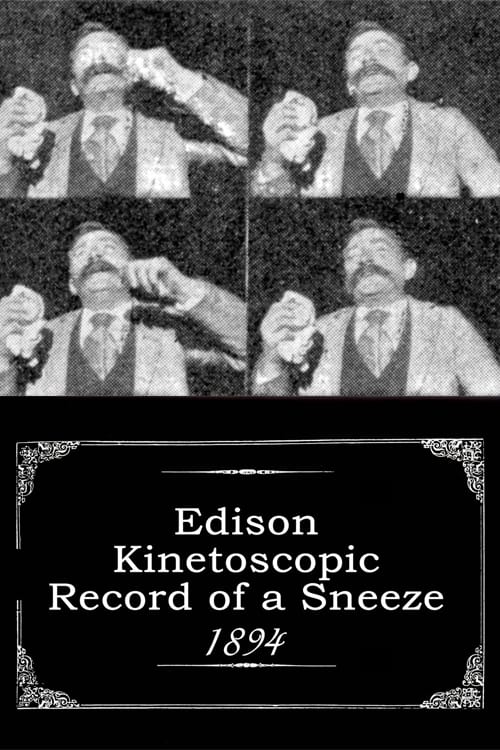
Edison Kinetoscopic Record of a Sneeze
1894
No user ratings available yet
Representation score: 0.0 out of 10
Representation Score
Minimal
1892
Director
William Heise, William K.L. Dickson
Runtime
1 minutes
Average Rating
No ratings yetNew Showbiz Analysis
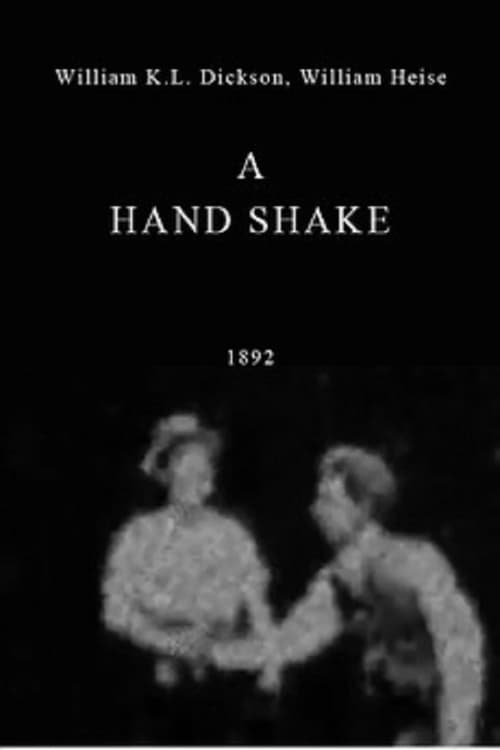
As a technical artifact from 1892, *A Hand Shake* lacks the narrative structure needed to explore identity or power dynamics. It serves primarily as a brief visual record of a social gesture rather than a structured exploration of human diversity. The film's lack of representation is a result of the technological and social limitations of its time. It captures a single, homogeneous moment that reflects the narrow scope of early experimental motion picture documentation. Ultimately, the work functions as a demonstration of early cinema technology rather than a platform for social commentary or diverse storytelling.
Category Breakdown
The film includes two men performing a typical social greeting. There is no indication of LGBTQ+ identities or narratives that question the assumption that everyone is straight or cisgender.
The film does not feature any women. It shows two men engaging in a standard social ritual, reinforcing a focus on male interactions.
The casting reflects the predominantly white and Anglo-Saxon population of the late 19th century. There is no evidence of non-white or diverse ethnic representation.
The film presents a secular depiction of a social interaction. It does not engage with religious or cultural themes, simply documenting a Western social custom.
There are no visible or invisible disabilities shown in the film. The subjects appear to be able-bodied individuals performing a routine action.
Present on Screen
Limited or Absent
Official Synopsis
William K.L. Dickson and William Heise shake hands in this early experimental film.
1894
1890
1891
1890
1899
1896
1891
1891
No reviews yet. Be the first to share your thoughts on this movie!
Use the rating form above to leave a star rating and optional review.