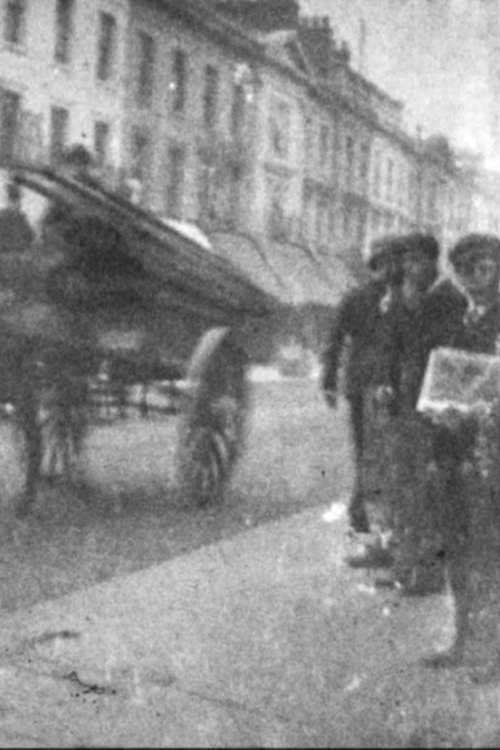
Traffic in King's Road, Chelsea
1890
No user ratings available yet
Diversity score: 1.8 out of 10
No Poster Available
1888
Director
William Friese-Greene
Runtime
1 minutes
Average Rating
No ratings yetSynopsis
Lost film from 1888, directed by William Friese-Greene.
Overall Score
Minimal
Category Breakdown
LGBTQ+ Representation
As a lost documentary fragment from 1888, there is no verifiable evidence of queer identities or non-cisnormative gender expressions. The work lacks narratives critiquing heteronormativity.
Gender Representation
Without access to the visual record, it is impossible to determine if the film portrays women with agency. The era's constraints suggest traditional social structures likely dominated the scene.
Racial & Ethnic Diversity
There is no documented evidence of intentional racial blending or non-white majority casting. The film does not utilize non-human species as racial metaphors.
Religious & Cultural Diversity
The film appears to be a non-narrative observation of a street scene. It lacks the architecture required to engage with secularism or the deconstruction of Western institutions.
Disability Representation
There is no verifiable evidence regarding the depiction of visible or invisible disabilities. The work also lacks characters with neurodivergent traits.
Strengths
Areas for Improvement
AI Analysis
Brighton Street Scene functions as a historical artifact of early cinematography rather than a medium for social commentary. Because the film is lost, its specific visual content remains unverified. As a non-narrative documentary experiment, the work lacks the intentionality needed to address identity politics or subvert social hierarchies. It serves primarily as a technical milestone for William Friese-Greene. Ultimately, the absence of a surviving visual record means no intersectional themes or diverse character arcs can be confirmed within this 1888 street scene.
1890
1889
1889
1901
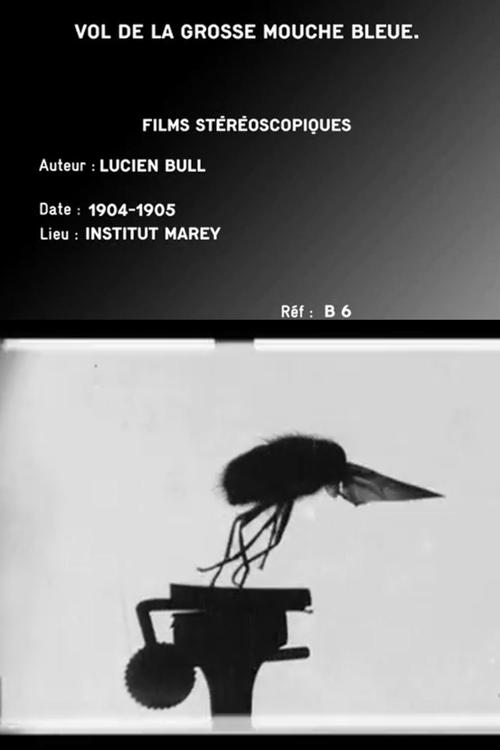
1905
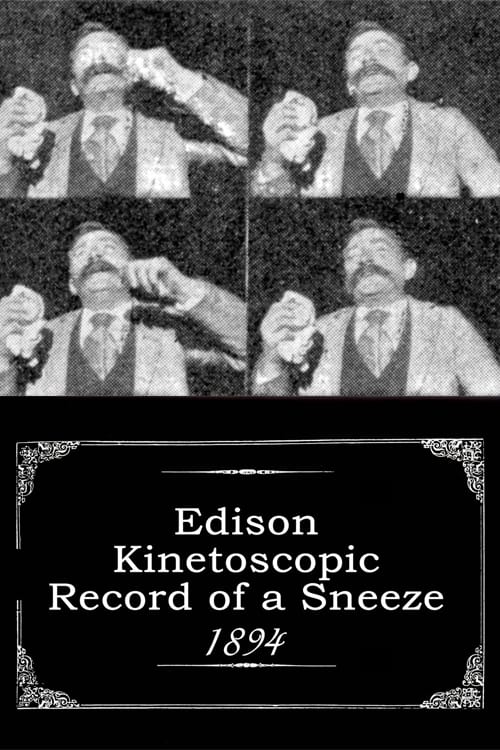
1894
1890
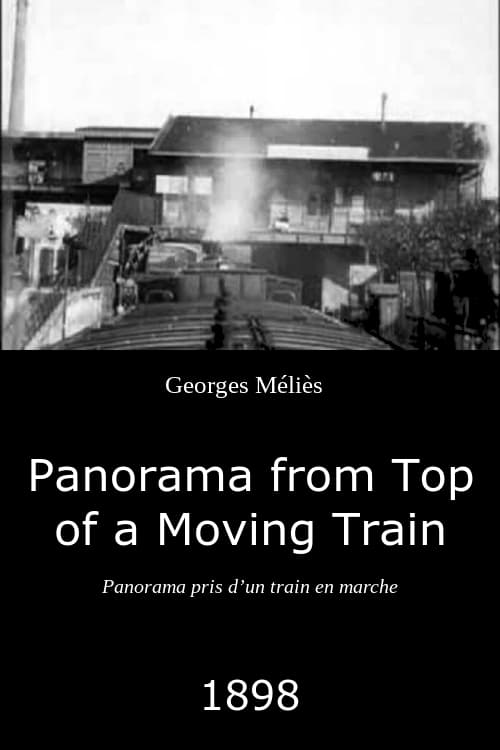
1898

1898
1898
1904
1896
No reviews yet. Be the first to share your thoughts on this movie!
Use the rating form above to leave a star rating and optional review.