Young Chopin
1952
No user ratings available yet
Representation score: 1.4 out of 10
Representation Score
Limited
1987
Director
Filip Bajon
Runtime
171 minutes
Average Rating
No ratings yetNew Showbiz Analysis
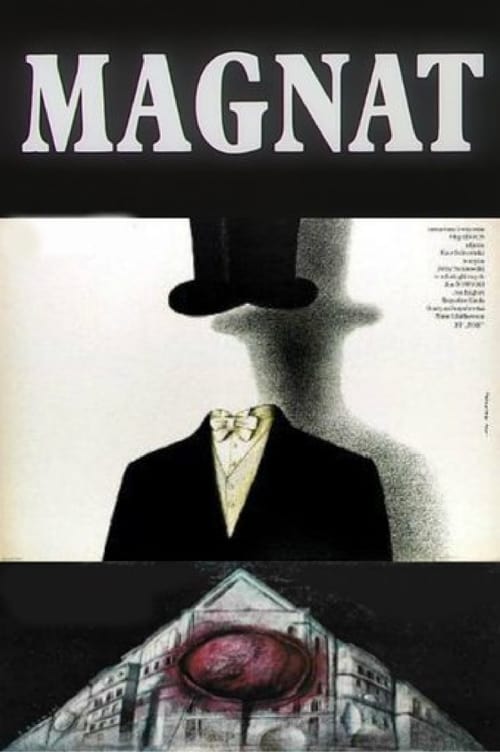
The Magnate is a period-specific study of class and power that prioritizes historical accuracy over modern identity representation. It functions as a deconstruction of the industrialist's lifestyle, framing the pursuit of empire as a source of systemic tension. While the film lacks significant LGBTQ+, racial, or gender diversity, it succeeds in critiquing traditional Western institutional structures. It avoids heroic clichés, instead presenting the pursuit of wealth as a complex moral burden. Ultimately, the film's diversity is limited by its focus on a homogeneous European dynasty, though it provides depth through its exploration of socioeconomic divides.
Category Breakdown
The film focuses on dynastic lineage and rigid social structures of the early 20th century. There is no evidence of non-traditional gender identities or stories that challenge the assumption that everyone is straight or cisgender.
The narrative depicts a patriarchal corporate and familial structure where power remains concentrated in the hands of an aging industrialist, documenting legacy through a traditional masculine lens.
Set within a Swedish industrial context, the film maintains a largely homogeneous cast. The focus remains on class stratification rather than diverse racial or ethnic backgrounds.
The film offers a nuanced critique of concentrated corporate power and industrial capitalism. It examines the friction between private life and the weight of a corporate empire.
There is no discernible evidence regarding the inclusion of characters with visible or invisible disabilities. The narrative centers on socioeconomic and familial power dynamics.
Present on Screen
Limited or Absent
Official Synopsis
This Polish historical drama film traces the fascinating saga of a wealthy, princely Polish dynasty in years 1900-1935.
1952
1969

2022
1976
1980

2015

2001

2017
No reviews yet. Be the first to share your thoughts on this movie!
Use the rating form above to leave a star rating and optional review.